Case 25703
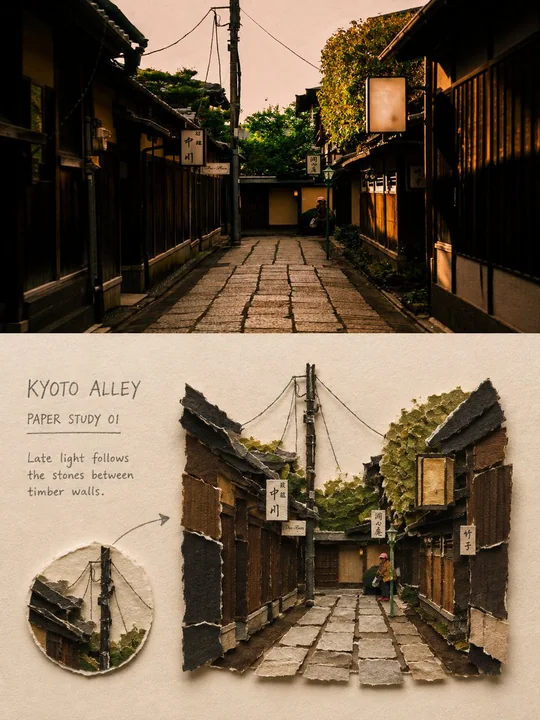
Премиальный постер в стиле разорванной бумаги для уличной фотографии
Prompt
Пожалуйста, превратите каждое загруженное мной фото уличного пейзажа в отдельный продвинутый редакционный постер в технике вырезанной бумаги, а не в коллаж из нескольких изображений, выводя каждое фото индивидуально. Общая композиция использует вертикальную двухпанельную компоновку в соотношении 3:4, где верхняя часть сохраняет четко видимое аутентичное исходное изображение, а нижняя часть реконструирует тот же переулок как «реконструкцию переулка из вырезанной бумаги»; высота верхней и нижней областей почти 1:1, с использованием четкой, горизонтальной границы, без размытия или взаимного проникновения. Выводите только лицевую сторону постера, не генерируйте рамы для фотографий, стены или макеты в руках.

Верхняя часть занимает около 47%–50% изображения, faithfully сохраняя исходное фото. Точно сохраняйте угол обзора улицы, направление исчезновения, уклон дороги, здания по обеим сторонам, карнизы, двери и окна, вывески, транспортные средства, растения, провода, количество и позу людей, а также исходную естественную световую и цветовую атмосферу. Применяйте только легкую цветокоррекцию в стиле туристического журнала и очень тонкую обработку зерном пленки; это должно по-прежнему явно выглядеть как реальная фотография. Для адаптации к кадру можно естественно расширить небо, поверхность дороги или тихую окружающую среду, но не следует перерисовывать здания, перемещать людей, менять транспортные средства, растягивать, зеркалить или копировать объекты.

Для нижней части не применяйте бумажный фильтр к исходному изображению с тем же кадрированием и не используйте коллажи из прямоугольных фрагментов фотографий. Сначала выберите одну основную линию исчезновения улицы на фото, основные фасады по обеим сторонам и один-три объекта, которые лучше всего описывают место, например, пешеходов, транспортные средства, фонари, зонты, провода, растения, вывески или крыши. Активно удалите повторяющиеся оконные рамы, сложные толпы, нерелевантные мелкие предметы и фотографический шум, затем перестройте эти элементы в уменьшенную сцену из вырезанной бумаги с четкими контурами.

Перерисованная сцена занимает около 60%–82% нижней области, может быть расположена по центру или слегка смещена в сторону, с сохранением около 20%–35% непрерывной поверхности бумаги цвета слоновой кости вокруг нее. Переопределите размер и визуальную иерархию основного объекта в соответствии с исходным фото, сделав наиболее узнаваемые здания, объекты или фигуры якорями на бумаге; не копируйте полную композицию фотографии. В пустом пространстве можно добавить небольшое круглое окно из вырезанной бумаги, чтобы увеличить реальный деталь из исходного фото, соединив его со сценой графитовой стрелкой.

Используйте вручную вырезанную матовую волокнистую бумагу, тонкую ватманную бумагу, гофрированную бумагу, крафт-бумагу и небольшое количество старой печатной бумаги, чтобы по кусочкам строить фасады, поверхности дорог, карнизы, растения, небо и персонажей. Все основные формы должны иметь четко видимые волокнистые рваные края, небольшие перекрытия, толщину бумаги, загнутые уголки и короткие естественные физические тени. Края бумаги могут быть неровными, но внешний контур переулка, направление дороги, границы зданий и идентичность объектов должны быть четкими. Запрещены гладкие векторные срезы, лазерные резы и плоские цифровые тени.

Цветовая палитра полностью извлекается из фотографии выше, сводя сложные цвета к пяти-семи серым бумажным оттенкам, с реальными основными цветами стен, дорог, крыш, растений и персонажей в качестве каркаса, сохраняя только один экземпляр ржаво-красного, кобальтово-синего, оливково-зеленого или другого характерного цвета из исходного фото в качестве акцента. Не применяйте фиксированные японские туристические цветовые палитры ко всем местам.

Добавьте набор карандашных надписей в непрерывную область голой бумаги. На основе определяемого места, структуры дороги, света, погоды или действия на фото извлеките заголовок из 1–3 английских слов; добавьте поле «PAPER STUDY 01», с последовательной нумерацией для нескольких фотографий; затем добавьте строку из 5–12 английских слов наблюдательного предложения. Заголовок должен быть четко читаемым в обычных чат-превью, тогда как поля и наблюдательные предложения должны быть меньше, но не сокращаться до серых линий. Текст пишется прямо на бумаге, как тонкий графит или уголь, может сопровождаться стрелкой и не использует гладкие цифровые шрифты. Когда место не может быть подтверждено, используйте тему сцены; не выдумывайте названия мест, даты или координаты.

Общая работа должна выглядеть как страница бумажной работы между архитектурным наблюдением, экспериментом с материалами и туристическими публикациями: переулок узнаваем с первого взгляда, слои бумаги реальны, границы четки, информация сокращена, и достаточно белого пространства для «дыхания».

Избегайте девятиклеточных макетов скрапбукинга, прямоугольных фотоколлажей, изоморфных бумажных фильтров, полного покрытия фона, детских вырезок, общих туристических иконок, вымышленных достопримечательностей, имен авторов, названий аккаунтов, логотипов, QR-кодов, водяных знаков, фальшивого китайского текста и бессмысленных символов.
Другие промпты
Case 28567
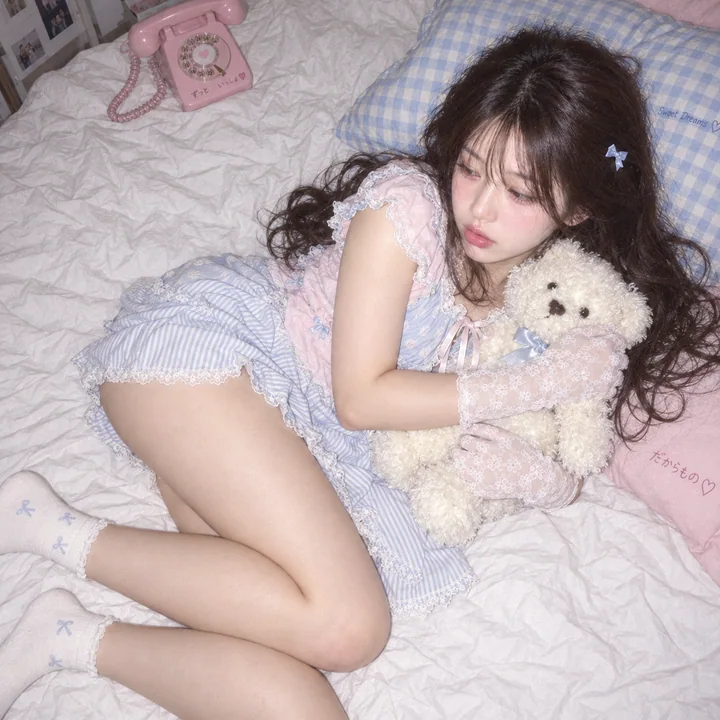
Нежная ретро-снимок девушки на CCD в спальне глубокой ночью
氛围感少女感胶片感复古风卧室风

Case 24538
Фэнтезийная охотница и гигантский зверь: 3D-рендер уровня обложки
Создайте премиальное восстановление с очисткой исходника, используя изображение в качестве единственного визуального ориентира. Строго сохраните точный оригинальный стиль, тип субъекта, композицию, угол камеры, позу, перспективу, цветовую и