Case 24514
航空邮件浮雕记忆卡旅行海报
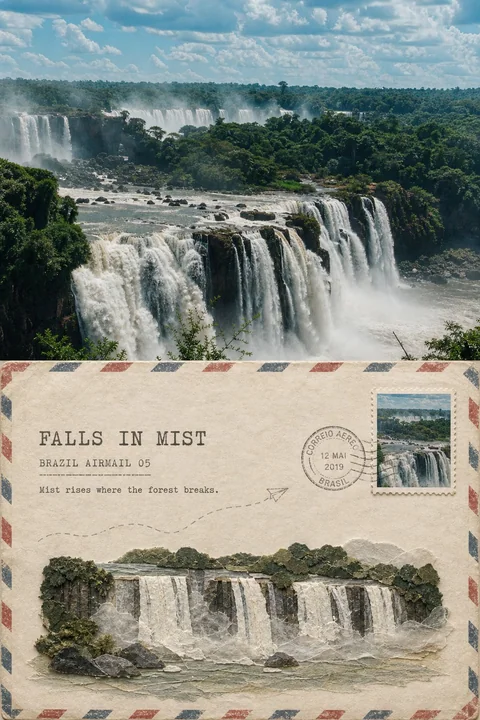
Prompt
Please turn each travel photo I upload into an independent high-end travel editorial poster, no multi-image stitching, output each photo individually.

Style Name: AIRMAIL RELIEF MEMORY CARD | 航空邮件浮雕记忆卡

The overall composition uses a 3:4 vertical format, consisting of a real photo and a paper memory card at the top and bottom. The two areas each occupy about 50% of the frame, with a straight and clear boundary, but do not add thick, heavy separation lines.

The upper part faithfully preserves the original photo. Accurately maintain the subject identity, quantity, terrain, buildings, people, vehicles, spatial relationships, natural light and shadow, real texture, and original color atmosphere; do not redraw the photo, and do not randomly move, replace, or change the subject. Only apply slight high-end travel magazine color grading and extremely thin film grain treatment. To adapt to the vertical format, you can naturally crop or extend the sky, ground, water surface, and surrounding environment, but do not stretch, distort, or change the proportions of the subject.

The lower part presents a complete, recognizable old airmail envelope or airmail stationery memory card.

Use a warm ivory-colored old cotton paper background, preserving real paper fibers, subtle creases, indentations, slight wear, and naturally uneven aging marks. Add a restrained, faded red and blue diagonal stripe airmail border around the stationery, giving it the characteristics of a real airmail medium.

Extract the most recognizable subject, silhouette, posture, terrain relationship, and story information from the photo, and reorganize them into a horizontal paper pulp low relief located in the lower-middle part of the stationery.

The low relief only occupies about 25%—45% of the lower area, with large areas of quiet white space left around it. Do not mechanically copy the entire photo, do not turn the entire background into relief, only retain the visual elements necessary for people to recognize the location, subject, and travel scene at a glance.

Use 2—6 layers of thin cotton paper, pulp, handmade paper, and thin paper clay to construct the scene. There are clear and light hierarchies between different volumes, slightly fibrous torn paper edges, subtle embossing, and soft short shadows.

The relief must remain thin, light, and gentle, like travel memories pressed onto stationery. Do not make it into a heavy architectural sand table, 3D toy, plastic 3D model, or complex miniature landscape.

The color scheme is extracted from the original photo, summarizing and softening complex colors into a limited palette. Preserve the most recognizable cold-warm relationship and one characteristic color from the original image. Postal red and faded navy blue are only used for airmail borders, numbers, or a small amount of postal identification; do not let them dominate the entire scene's color scheme.

In the blank areas, add:
- A small perforated stamp, with the stamp image coming from a miniature of the subject in the same photo
- A restrained, naturally worn old postmark
- A thin dashed flight route line
- An optional tiny paper airplane symbol
- A short English title distilled based on the location or theme
- A set of travel numbers
- A short, specific, and descriptive English annotation

The text uses typewriter, old postal type, rubber stamp, or light embossed textures, naturally integrating with the old stationery. The title can be slightly larger but should not overshadow the main elements; auxiliary text should remain sparse and restrained, avoiding smooth modern digital typography.

The text content should come from the location, subject, action, or atmosphere actually visible in the photo. Do not add author names, social accounts, brand logos, QR codes, fictional addresses, fictional coordinates, meaningless dates, garbled text, or unnecessary decorative text.

The overall piece should be like an airmail letter sent back from a trip and later collected into an independent publication: real photography preserves the scene that happened at that time, and the paper pulp low relief preserves the memories compressed over time.

The overall temperament is quiet, gentle, restrained, nostalgic, and light, with the texture of collection-grade travel publications, old airmail letters, handmade paper art, and modern editorial design.

Avoid: cartoon style, children's handmade feel, complete redrawing of photos, both top and bottom parts being illustrations, heavy 3D sand tables, plastic 3D, resin models, smooth vector graphics, dominant transparent watercolors, complex scene piling, relief covering the entire stationery, excessive postal decoration, e-commerce template feel, garbled text, and irrelevant text.

请将我上传的每一张旅行照片分别制作成一张独立的高级旅行编辑海报,不要多图拼接,每张照片单独输出。

风格名称:

AIRMAIL RELIEF MEMORY CARD|航空邮件浮雕记忆卡

整体采用3:4竖版构图,由真实照片与纸质记忆卡上下组成。两个区域约各占画面50%,分界平直、清晰,但不要添加粗重分隔线。

上半部分忠实保留原始照片。准确保持主体身份、数量、地形、建筑、人物、交通工具、空间关系、自然光影、真实质感与原有色彩氛围,不要重新绘制照片,不得随意移动、替换或改变主体。

仅进行轻微的高级旅行杂志调色与极薄胶片颗粒处理。为适配竖版,可以自然裁切或扩展天空、地面、水面及周边环境,但不得拉伸、扭曲或改变主体比例。

下半部分呈现一张完整、可辨认的旧航空邮件信封或航空信纸记忆卡。

使用温暖的象牙色旧棉纸背景,保留真实纸张纤维、细微折痕、压痕、轻微磨损和自然不均匀的旧化痕迹。信纸四周加入克制、褪色的红蓝斜纹航空邮件边框,使其具有真实的航空信件媒介特征。

从照片中提取最具识别度的主体、轮廓、姿态、地形关系与故事信息,将其重新组织成位于信纸中下部的横向纸浆浅浮雕。

浅浮雕仅占下半区域约25%—45%,四周保留大面积安静留白。不要机械复制完整照片,不要将整个背景全部浮雕化,只保留让人一眼认出地点、主体和旅行场景所必需的视觉元素。

使用2—6层薄棉纸、纸浆、手工纸和薄纸黏土构成场景。不同体块之间具有清晰而轻薄的层级、略带纤维的撕纸边缘、细微压纹和柔和短投影。

浮雕必须保持薄、轻、平缓,像被压制在信纸上的旅行记忆。不要制作成厚重建筑沙盘、立体玩具、塑料3D模型或复杂微缩景观。

配色从原始照片中提取,将复杂颜色归纳、柔化为有限色盘。保留原图最有识别度的冷暖关系和一处特征色。邮政红与褪色海军蓝只用于航空边纹、编号或少量邮政标识,不要控制整个场景配色。

在留白区域加入:

- 一枚小型齿孔邮票,邮票图像来自同一张照片的主体缩影
- 一枚克制、自然磨损的旧邮戳
- 一条细虚线航线
- 可选的极小纸飞机符号
- 一个根据地点或主题提炼的简短英文标题
- 一组旅行编号
- 一句简短、具体、有画面感的英文注解

文字采用打字机、旧邮政铅字、橡皮印章或浅压印质感,与旧信纸自然结合。标题可以稍大,但不能喧宾夺主;辅助文字保持稀疏、克制,避免光滑的现代数字排版。

文字内容应来自照片真实可见的地点、主体、动作或氛围。不要添加作者姓名、社交账号、品牌Logo、二维码、虚构地址、虚构坐标、无意义日期、乱码或不必要的装饰文字。

整体应像一封从旅途中寄回、后来被收藏进独立出版物的航空信件:真实摄影保存当时发生的景象,纸浆浅浮雕保存经过时间压缩后的记忆。

整体气质安静、温柔、克制、怀旧、轻盈,具有收藏级旅行出版物、旧航空信件、手工纸艺和现代编辑设计的质感。

避免:卡通风格、儿童手工感、照片完全重绘、上下两部分都是插画、厚重立体沙盘、塑料3D、树脂模型、光滑矢量图形、透明水彩主导、复杂场景堆积、浮雕铺满信纸、过量邮政装饰、电商模板感、乱码和无关文字。
Другие промпты
Case 28058
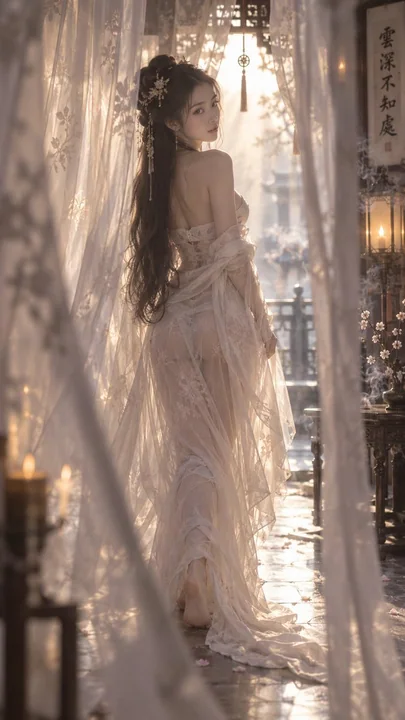
雾感轻纱抹胸裙摆曳地逆光勾边
Misty light gauze tube top; loose clothing edges; chest lines softly revealed; half-hidden by layers of gauze curtains; walking slowly barefoot; skirt hem trailing on the ground; backlit rim lighting; a fleeting glimpse 雾感轻纱抹胸;衣缘松散;胸口线条柔和显

Case 8634
Селена, розово-белый геометрический узор, нежная девичья эстетика
{ "subject": { "identity": { "biometric_reference": "Sabrina Carpenter", "facial_structure": "Сердцевидное лицо с четкими, узкими углами нижней челюсти и выступающими скуловыми дугами; определенная глубина филтрума и выразительная форма губ
复古风紧身裙格纹裙赛琳娜甜心