Case 26068
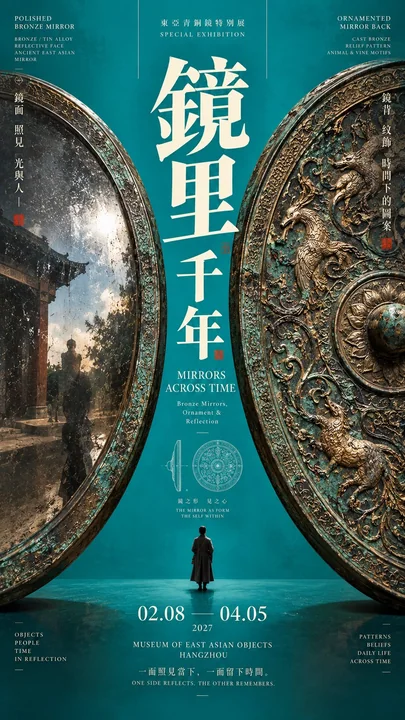
中軸線による景観構成を採用した高級文化展のポスターデザイン
Prompt
[テーマ]: ____
[中国語メインタイトル]: ____
[英語タイトル]: ____
[左側のメイン被写体]: ____
[右側のメイン被写体]: ____
[中央軸の内容]: タイトル / 人物 / 植物 / 余白 / その他 ____
[挟み込み手法]: 円弧ネガティブシェイプ / 空間的透視 / 柔軟な素材 / 二つのオブジェクトによる重量配分 / その他 ____
[背景のメインカラー]: ____
[被写体の素材とスタイル]: ____
[日付 / 会場]: ____
[画像比率]: 9:16

強いビジュアルインパクトと高級な文化展示の雰囲気を備えた「中央軸挟み込み」ポスターを生成してください。

まず、明確で安定した垂直の中央軸を確立し、次に【左側のメイン被写体】と【右側のメイン被写体】がフレームの両側から視覚的な重みを形成し、メインタイトル、人物、植物、または余白領域を中央へと押し出すように構成します。

左右の被写体は十分に大きく、フレームの端に近く、自然なクロップ(切り詰め)を許容し、主要な視覚的ウェイトを共同で担わなければなりません。両側はシルエット、サイズ、色、素材、ディテールにおいて異なってもよいですが、全体の視覚的ウェイトはバランスが取れていなければならず、単純な複製や機械的なミラーリングを避けてください。

テーマに応じて異なる挟み込み手法を選択してください:

円形またはアーチ状の被写体は、シルエットを利用して中央のネガティブシェイプを共同で挟み出すことができます。
建築や屏風などの空間的な被写体は、透視図法を通じて中央軸に奥行きを形成できます。
布地や植物などの柔軟な素材は、自然な曲がりによって柔軟な挟み込みを形成できます。
器物、人物、または文化財は、左右の重量配分によって中央のタイトルを強化できます。

中央軸は、フレーム内で最も重要な読み取り領域でなければなりません。中国語のメインタイトルは大胆な大フォントサイズを使用し、縦書き、横縦混合、スケール変化、部分的な隠蔽、または被写体とのわずかな交差を採用でき、タイポグラフィが単に上部に配置されるのではなく、本当に構成に参加するようにしてください。

中央軸に低ウェイトの視覚ノードを含めることを許可します。例えば、極小の人物、花の枝、文様の拓本、構造線画、または研究図などです。これにより中央に焦点と階層性を持たせつつ、同レベルの第三の被写体を形成しないようにしてください。

情報密度は豊富であっても構いませんが、2〜3つの領域に集中させてください:中央軸のコア情報、左右のサイドバー、下部の展示情報です。超大きなタイトルと極小のテキストによって明確なフォントサイズのコントラストを形成し、小さな文字をフレーム全体に均等に散らばせないでください。

識別性を確立するために、明確な大面積のメインカラーを使用してください。例えば、朱赤、コバルトブルー、レモンイエロー、草緑、シアンブルー、ダークブラウン、または柿オレンジなどです。全体のカラーパレットは3〜5つの主要色に制御し、被写体の素材、タイポグラフィ、およびごく少量のアクセントカラーによってコントラストを生み出してください。

コア原則:単純な「左右対称」ではなく、両側の視覚的ウェイトを利用して中央を共同で形成することです。左右は圧力をかけ、中央軸はフォーカスすることを担当します。構造は安定していますが、ディテールは異なっていても構いません。

全体的な要件:強い中央軸、強い被写体、強い色域、明確なデザイン感、豊富だが乱雑でない情報、クリアなエッジ、明瞭なテキスト、リアルな素材、成熟した文化展示ポスターとエディトリアルデザインの完成度を持ち合わせていること。

【テーマ】:____
【中国語メインタイトル】:____
【英語タイトル】:____
【左側のメイン被写体】:____
【右側のメイン被写体】:____
【中央軸の内容】:タイトル / 人物 / 植物 / 余白 / その他____
【挟み込み手法】:円弧ネガティブシェイプ / 空間的透視 / 柔軟な素材 / 二つの器物による重量配分 / その他____
【背景のメインカラー】:____
【被写体の素材とスタイル】:____
【日付 / 会場】:____
【画面比率】:9:16

強いビジュアルインパクトと高級な文化展示の雰囲気を備えた「中央軸挟み込み」ポスターを生成してください。

まず、明確で安定した垂直の中央軸を確立し、次に【左側のメイン被写体】と【右側のメイン被写体】が画面の両側から視覚的な重みを形成し、メインタイトル、人物、植物、または余白領域を中央へと押し出すように構成します。

左右の被写体は十分に大きく、画面の端に近く、自然なクロップ(切り詰め)を許容し、主要な視覚的ウェイトを共同で担わなければなりません。両側はシルエット、サイズ、色、素材、ディテールにおいて異なってもよいですが、全体の視覚的ウェイトはバランスが取れていなければならず、単純な複製や機械的なミラーリングを避けてください。

テーマに応じて異なる挟み込み手法を選択してください:

円形、アーチ状の被写体は、シルエットを利用して中央のネガティブシェイプを共同で挟み出すことができます。
建築、屏風などの空間的な被写体は、透視図法を通じて中央軸に奥行きを形成できます。
織物、植物などの柔軟な素材は、自然な曲がりによって柔軟な挟み込みを形成できます。
器物、人物、または文化財は、左右の重量配分によって中央のタイトルを強化できます。

中央軸は、画面内で最も重要な読み取り領域でなければなりません。中国語のメインタイトルは大胆な大フォントサイズを使用し、縦書き、横縦混合、スケール変化、部分的な隠蔽、または被写体とのわずかな交差を採用でき、タイポグラフィが単に上部に配置されるのではなく、本当に構成に参加するようにしてください。

中央軸に低ウェイトの視覚ノードを含めることを許可します。例えば、極小の人物、花の枝、文様の拓本、構造線画、または研究図などです。これにより中央に焦点と階層性を持たせつつ、同レベルの第三の被写体を形成しないようにしてください。

情報密度は豊富であっても構いませんが、2〜3つの領域に集中させてください:中央軸のコア情報、左右のサイドバー、下部の展示情報です。超大きなタイトルと極小のテキストによって明確なフォントサイズのコントラストを形成し、小さな文字を画面全体に均等に散らばせないでください。

識別性を確立するために、明確な大面積のメインカラーを使用してください。例えば、朱赤、コバルトブルー、レモンイエロー、草緑、シアンブルー、ダークブラウン、または柿オレンジなどです。全体のカラーパレットは3〜5つの主要色に制御し、被写体の素材、タイポグラフィ、およびごく少量のアクセントカラーによってコントラストを生み出してください。

コア原則:単純な「左右対称」ではなく、両側の視覚的ウェイトを利用して中央を共同で形成することです。左右は圧力をかけ、中央軸はフォーカスすることを担当します。構造は安定していますが、ディテールは異なっていても構いません。

全体的な要件:強い中央軸、強い被写体、強い色域、明確なデザイン感、豊富だが乱雑でない情報、クリアなエッジ、明瞭なテキスト、リアルな素材、成熟した文化展示ポスターとエディトリアルデザインの完成度を持ち合わせていること。
他のプロンプト
Case 5
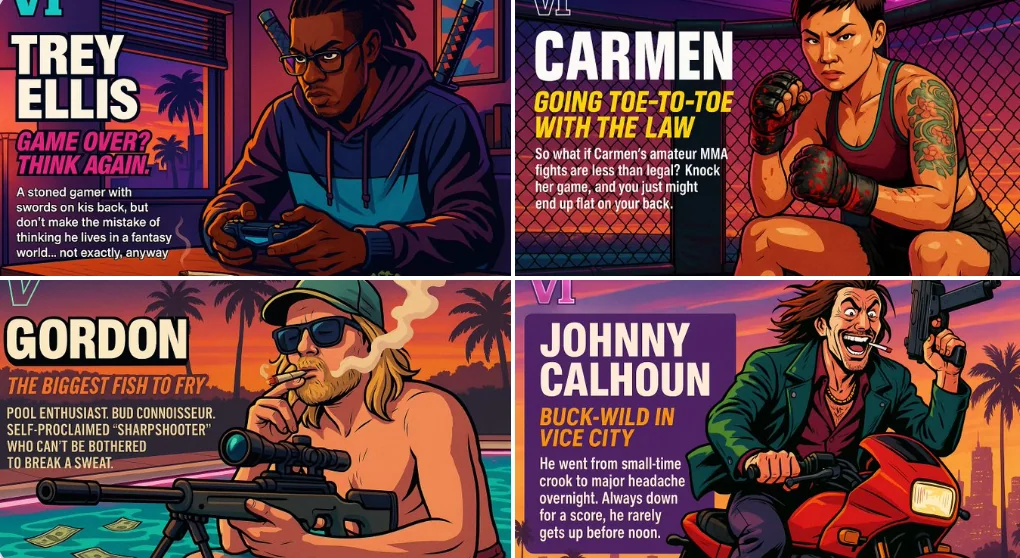
自分だけのGTAキャラクターを作成する
【VI】 **LUCIAN "THE SHADOW" VARGAS** *“In the city of vice, I cast no shadow — only fear.”* Born in the neon-lit alleys of Vice City, Lucian Vargas is a ghost who walks among men. A former enforcer for the notorious Vargasso Cartel,
characterlandscapeneongaming
Case 8625
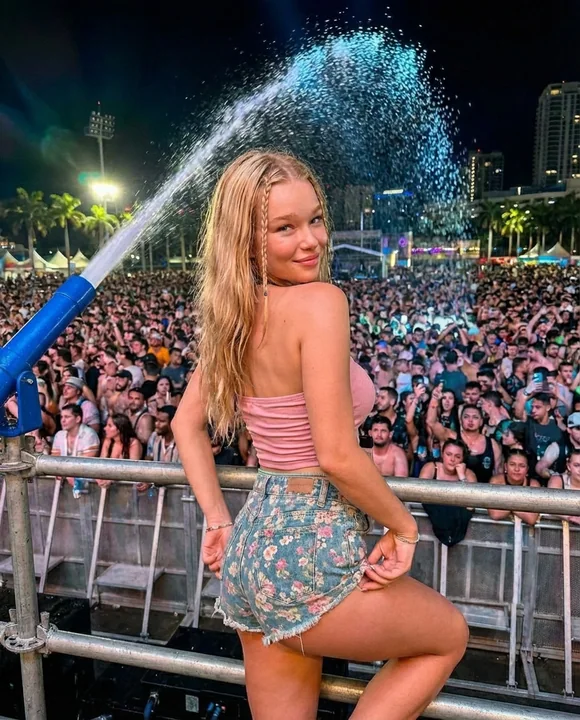
金髪の少女が夜の水霧の中で音楽を楽しむ
{ "prompt": "若い金髪の女性が、夜の活気ある屋外音楽祭で、金属のバリケードの前に立ち、後ろには歓声を上げる大勢の人々がいます。彼女はピンクのクロップドタンクトップと、高腰のフラワーデニムショートパンツを着ています。彼女の後ろでは、大型のウォーターキャノンが空に向けて水を噴射し、カラフルなステージライトの下でキラキラと輝く霧を生み出しています。背景にはパームツリーと都市の建物が見えます。エネルギッシュで活気のあるナイトライフの雰囲気、エキサイティングな観客、ナチュラ
金发夜生活抓拍音乐节