Case 24586
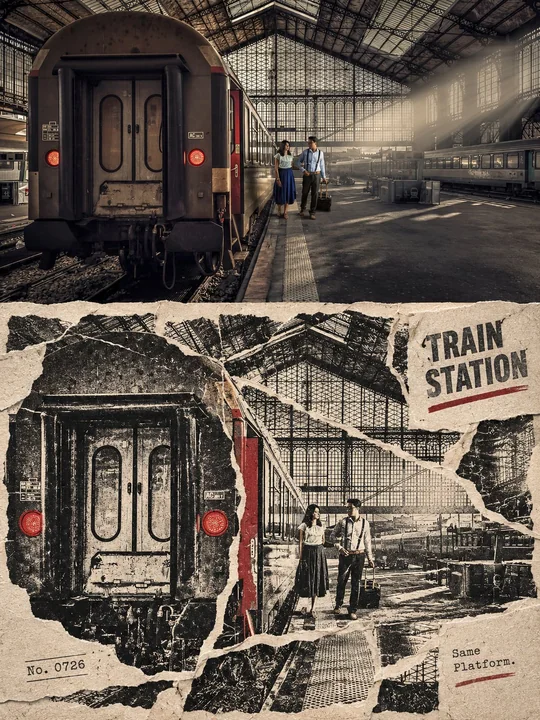
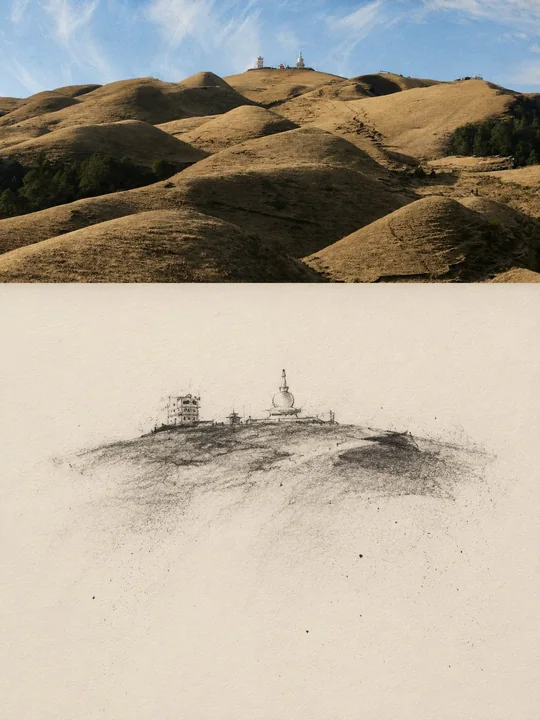
木炭消逝旅行速写对比海报
Prompt
CHARCOAL VANISHING TRAVEL STUDY|Charcoal Vanishing Travel Sketch

Create one separate advanced comparative poster for each travel photo I upload. Each uploaded photo must produce one individual output only. Never combine different photos, create a collage, or mix subjects from multiple images.

The most important rule: preserve the uploaded photograph exactly as the visual source. The people, animals, buildings, vehicles, landscape, proportions, poses, positions, movement direction, perspective, lighting, textures, and overall identity must remain faithful to the original. Do not redesign, replace, beautify, reinterpret, or invent the main subject.

Use a 3:4 vertical composition divided naturally into two distinct visual areas. The upper section contains the authentic photograph and the lower section contains a restrained charcoal memory sketch. The division should feel clean and intentional but not like a rigid graphic template. Aim roughly for 50% photograph / 50% charcoal paper, allowing the proportions to shift slightly when needed to preserve the original image naturally.

TOP — AUTHENTIC TRAVEL PHOTOGRAPH

Keep the uploaded photograph clearly recognizable as the actual original photo, not a realistic redraw.

Preserve:

- exact subject identity and quantity
- original pose and body position
- direction of movement
- architecture and structural outlines
- terrain and spatial relationships
- natural perspective
- authentic light and shadow
- original textures and materials
- original color atmosphere

Only apply a very subtle editorial photographic treatment, similar to a refined travel magazine or art photography publication. Keep colors natural and restrained. Add only extremely subtle film grain.

If the photograph needs to fit the 3:4 vertical format, use natural cropping or gentle environmental extension of surrounding sky, ground, mountains, or empty space. Never stretch, distort, relocate, replace, or redesign the actual subject.

BOTTOM — VANISHING CHARCOAL MEMORY SKETCH

Study the uploaded photograph first and identify the one or few visual elements that carry the strongest memory of the journey.

Possible anchors include:
a house, cable car, person, animal, vehicle, boat, bridge, tree, staircase, rock formation, doorway, architectural feature, or another clearly recognizable object.

Do not turn the whole photograph into a charcoal landscape.

Instead, reduce the most memorable subject into a loose, isolated charcoal study on warm white paper. Keep only enough of the surrounding environment to preserve the subject's identity, scale, direction, and sense of place.

The charcoal subject should normally occupy only 18%–35% of the lower paper area, leaving generous untouched paper around it.

The surrounding environment should be extremely minimal, with no complete background. At most include 1–3 quiet environmental traces, such as:

- a broken ground line
- a small rock or hillside fragment
- two or three mountain strokes
- a cable line
- a few tree marks
- a small cast-shadow indication
- several short spatial smudges

Everything else should disappear into untouched paper.

CHARCOAL DRAWING LANGUAGE

Make the sketch feel like a real unfinished travel sketch made by hand, not a digital filter.

Use a restrained combination of:

- willow charcoal
- compressed charcoal
- charcoal pencil
- very light graphite
- broad directional marks
- short broken strokes
- finger-smudged gray
- kneaded-eraser lifting
- charcoal dust
- loose crumbs
- visible paper tooth
- uneven hand pressure
- broken contours
- dry powder residue

Use broad and short directional marks to describe the subject's weight and structure. Avoid dense academic hatching and overly detailed pencil rendering.

Reserve the darkest charcoal only for the most important identifying structures, such as:
doorways, deep shadows, windows, tires, figure silhouettes, animal horns, structural joints, cable-car supports, boat undersides, or other essential anchor points.

Use only one or two restrained smudged gray areas to suggest volume. Let the paper remain visible through the drawing.

VANISHING EFFECT

The disappearing quality must look physically drawn and partially erased, never digitally faded.

The visual progression should feel like:

clear charcoal structure → broken contour → loose smudge → scattered charcoal dust → untouched paper

The edges should gradually lose definition because the artist stopped drawing, rubbed away the charcoal, lifted marks with an eraser, or simply left sections unfinished.

Do not use:
digital opacity, blur, glow, mist, airbrush, feathered masks, soft-focus effects, artificial gradients, or atmospheric digital fading.

The subject should feel as though it is emerging from memory and quietly disappearing back into the paper.

PAPER & COLOR

The entire lower section must remain strictly monochrome.

Use only:

- warm white paper
- warm gray
- cool gray
- charcoal black
- very subtle graphite silver-gray

Do not carry photographic colors into the sketch.

The paper should feel authentic and tactile: matte warm-white drawing paper with visible tooth, subtle fibers, charcoal friction, powder residue, eraser marks, and natural imperfections.

COMPOSITION & FEELING

The final poster should resemble a preserved page from a high-end travel observation book or museum sketchbook.

The photograph represents what was actually seen.

The charcoal drawing represents what remained in memory.

Keep the entire composition:
quiet, restrained, spacious, tactile, imperfect, solitary, editorial, archival, and emotionally subtle.

The contrast between the precise photograph and the unfinished charcoal memory should be the main visual idea.

Do not make the charcoal subject oversized. Do not fill the lower half. Let the empty paper become an important part of the composition.

STRICTLY AVOID

No collage
No multi-photo composition
No complete charcoal landscape
No full-background charcoal drawing
No black-and-white filter over the original photograph
No photo-realistic pencil redraw
No dense hatching
No academic illustration style
No watercolor
No ink wash
No oil-painting effect
No digital airbrushing
No misty disappearance
No artificial blur
No smooth gradient fading
No decorative borders
No rigid graphic template
No oversized subject
No unnecessary objects
No invented scenery
No altered people or animals
No changed architecture
No subject replacement
No logos
No watermark
No captions
No numbers
No explanatory text

Final priority: the uploaded photograph must remain visually authentic and immediately recognizable. The charcoal section may interpret the photograph artistically, but it must preserve the same key subject, identity, pose, proportions, and visual memory rather than inventing a different scene.

木炭消逝旅行研究|木炭消逝旅行速写

为我上传的每张旅行照片分别制作一张高级对比海报。每张上传的照片必须且只能产生一个独立的输出。切勿合并不同的照片、制作拼贴画或混合多张图像中的主体。

最重要的规则:完全保留上传的照片作为视觉来源。人物、动物、建筑、车辆、景观、比例、姿势、位置、运动方向、透视、光影、纹理和整体身份必须忠于原图。不要重新设计、替换、美化、重新解释或虚构主体。

使用 3:4 的纵向构图,自然地分为两个不同的视觉区域。上部包含真实的摄影照片,下部包含克制的木炭记忆速写。划分应显得干净且具有意图感,但不像刻板的图形模板。目标大致为 50% 摄影 / 50% 木炭纸,在需要自然保留原图时允许比例略微移动。

顶部 —— 真实的旅行照片

保持上传的照片清晰可辨,作为实际的原始照片,而不是写实的重绘。

保留:

- 确切的主体身份和数量
- 原始姿势和身体位置
- 运动方向
- 建筑和结构轮廓
- 地形和空间关系
- 自然透视
- 真实的光影
- 原始纹理和材料
- 原始色彩氛围

仅应用非常细微的编辑摄影处理,类似于精致的旅行杂志或艺术摄影出版物。保持色彩自然且克制。仅添加极细微的胶片颗粒。

如果照片需要符合 3:4 的纵向格式,请对周围的天空、地面、山脉或空白空间使用自然裁剪或轻微的环境延伸。切勿拉伸、扭曲、移动、替换或重新设计实际主体。

底部 —— 消逝的木炭记忆速写

首先研究上传的照片,并识别出一个或几个承载旅程最强记忆的视觉元素。

可能的锚点包括:
房屋、缆车、人、动物、车辆、船、桥、树、楼梯、岩石层、门口、建筑特征或其他清晰可辨的物体。

不要将整张照片变成木炭风景画。

相反,将最难忘的主体简化为暖白色纸上的孤立、松散的木炭研究。仅保留足够的周围环境,以维持主体的身份、比例、方向和空间感。

木炭主体通常应仅占据下方纸张区域的 18%–35%,在其周围留出大量的留白。

周围环境应极其简约,没有完整的背景。最多包含 1–3 处安静的环境痕迹,例如:

- 一条断裂的地面线
- 一块小岩石或山坡碎片
- 两三笔山脉线条
- 一条电缆线
- 几处树木标记
- 一个微弱的投射阴影指示
- 几处简短的空间污迹

一切其他事物都应消失在未触及的纸张中。

木炭绘画语言

使速写感觉像是由手工制作的真实、未完成的旅行速写,而不是数字滤镜。

结合使用以下克制的组合:

- 柳木炭
- 压缩木炭
- 木炭铅笔
- 极轻的石墨
- 宽大的方向性标记
- 短促的断裂笔触
- 手指涂抹的灰色
- 可塑橡皮擦除出的亮部
- 木炭粉尘
- 松散的碎屑
- 明显的纸张纹理
- 不均匀的手压感
- 断开的轮廓
- 干燥的粉末残留物

使用宽大且短促的方向性标记来描述主体的重量和结构。避免密集的学术性排线和过度细致的铅笔渲染。

仅将最深的木炭留给最重要的识别结构,例如:
门口、深邃的阴影、窗户、轮胎、人物剪影、动物角、结构关节、缆车支架、船底或其他基本的锚点。

仅使用一两个克制的涂抹灰色区域来暗示体积。让纸张在绘画中保持可见。

消逝效果

消逝的质感必须看起来是物理绘制并部分擦除的,绝不是数字淡化。

视觉演变过程应感觉像:

清晰的木炭结构 → 断开的轮廓 → 松散的涂抹 → 散落的木炭粉尘 → 未触及的纸张

边缘应逐渐失去清晰度,因为艺术家停止了绘画、抹去了木炭、用橡皮擦擦除了标记,或者只是让部分保持未完成状态。

不要使用:
数字不透明度、模糊、光晕、薄雾、喷枪、羽化遮罩、柔焦效果、人造渐变或大气感数字淡出。

主体应感觉像是从记忆中浮现,并安静地消逝回纸张中。

纸张与颜色

整个下部必须严格保持单色。

仅使用:

- 暖白色纸张
- 暖灰色
- 冷灰色
- 木炭黑
- 非常细微的石墨银灰色

不要将摄影色彩带入速写中。

纸张应感觉真实且具有触感:带有明显纹理的哑光暖白色绘图纸,带有细微的纤维、木炭摩擦、粉末残留、橡皮擦痕迹和自然瑕疵。

构图与感觉

最终的海报应像高档旅行观察书或博物馆速写本中保存的一页。

摄影代表实际看到的东西。

木炭画代表记忆中留下的东西。

保持整个构图:
安静、克制、宽敞、触感、不完美、孤独、编辑风、档案感且情感微妙。

精确的摄影与未完成的木炭记忆之间的对比应是主要的视觉构思。

不要让木炭主体过大。不要填满下半部分。让留白纸张成为构图中重要的部分。

严格避免

无拼贴
无多图组合
无完整的木炭风景画
无全背景木炭画
原图无黑白滤镜
无照片级的铅笔重绘
无密集排线
无学术插画风格
无水彩
无水墨
无油画效果
无数字喷枪
无薄雾消逝
无人工模糊
无平滑渐变淡化
无装饰性边框
无刻板的图形模板
无过大主体
无不必要的物体
无虚构风景
无改变的人物或动物
无改变的建筑
无主体替换
无 Logo
无水印
无说明文字
无数字
无解释性文本

最终优先级:上传的照片必须保持视觉真实并立即可辨。木炭部分可以对照片进行艺术化解读,但必须保留相同的关键主体、身份、姿势、比例和视觉记忆,而不是虚构不同的场景。
Другие промпты
Case 19
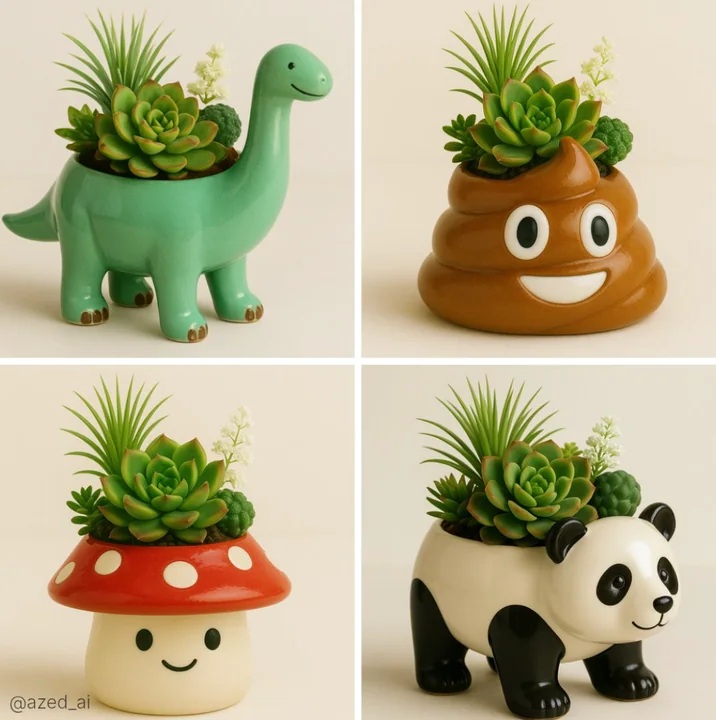
Эмодзи превращается в горшок с цветами
Высококачественное фото милое керамическое [объект/животное]-образное горшок с глянцевой поверхностью, заполненный разнообразными яркими суккулентами и зеленью, включая колючий Хавортия, розеткообразный Эхеверия и нежные белые цветы. Горшок
minimalistnaturephotographyanimalemoji
Case 284
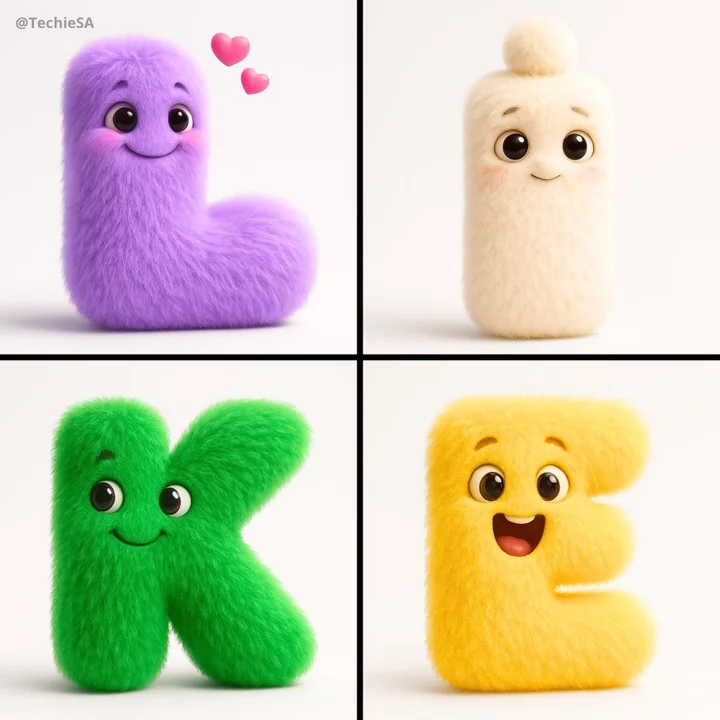
Мягкие буквы
В квадрате размером 1080x1080 пикселей отрендерите очаровательный алфавитный символ «[БУКВА]» в виде милого пушистого существа. Превратите шрифт в живое существо, где сама форма буквы становится основной структурой. Добавьте выразительные г
charactertypographyphotography