电影级人物叙事分镜大片
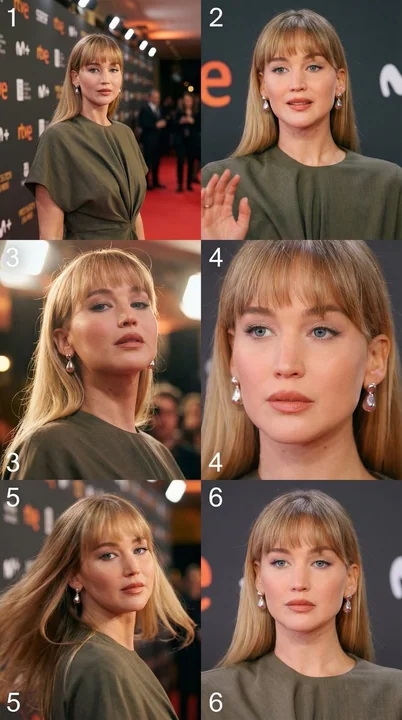
Prompt
请使用上传的照片作为唯一的视觉参考。 人物身份必须最大程度地保持准确:面部、面部特征、年龄、性别、身体比例和整体外貌必须保持不变。 请勿凭空捏造或添加原始图像中不存在的任何内容。 步骤 1:对源图像进行详细的视觉分析 首先,对上传的图像进行仔细的视觉分析,包括: 图像中的人物(人物、人数、在画面中的位置) 身体姿势和凝视方向 面部表情和情绪状态 服装和配饰 光照条件、时间、色温 环境、背景和空间深度 场景的整体情感基调 步骤 2:电影式 3×2 分镜网格 分析后,从单张图像中创建一个电影式 3×2 网格(6 帧),就像电影中的一系列镜头一样。 整个网格的总体要求: 格式:一张包含 3×2 网格的图像 所有帧必须按从左到右、从上到下的顺序编号 1–6 视觉风格:写实、电影感、非插画风格 一个连贯的角色和环境,具有逻辑上的连续性 每帧必须在姿势、摄像机角度或摄像机距离上有所不同 序列应给人时间流逝和场景发展的感觉 无面部扭曲,无身份或外貌改变 帧描述: 帧 1(第 1 帧) 广角建立镜头。 摄像机离主体最远,展示完整的环境和背景。 人物感觉像是周围空间的一部分。 帧 2(第 2 帧) 中景镜头。 摄像机移近。 姿势略有变化,揭示内在情绪或心境。 帧 3(第 3 帧) 低角度或侧角度镜头。 增加戏剧性或张力,强调身体形状和透视。 帧 4(第 4 帧) 特写或中特写。 聚焦于面部、眼睛和情感。 细节清晰可见。 帧 5(第 5 帧) 动态角度:对角构图或摄像机运动。 姿势变化最大,营造出动作或动感。 帧 6(第 6 帧) 最终镜头。 平静、沉思或情绪得到解决。 摄像机可能更近或更远,但画面给人一种结局的感觉。 灯光和电影感一致性: 所有帧的灯光必须保持逻辑上的一致性,如同在一个连续场景中拍摄。 景深、灯光和色彩分级应强化电影感。 最终结果: 输出应类似于专业的电影分镜图,如同在一次拍摄和同一地点完成,具有强烈的真实感和叙事流畅性。
更多提示词
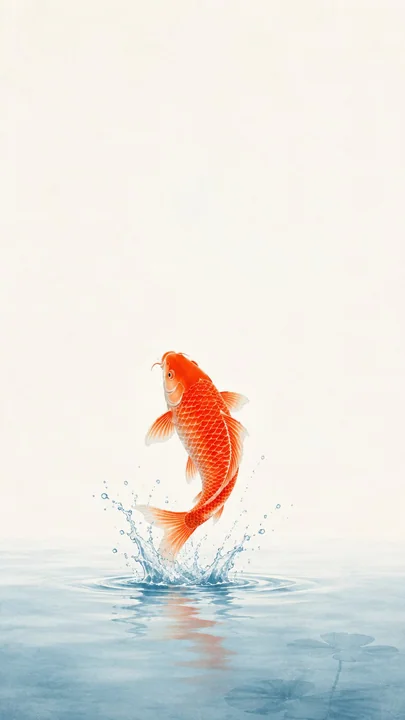
东方禅意极简朱橘锦鲤海报
主题方向:东方禅意极简海报 风格分支:高对比明亮型 主体内容:一条朱橘色锦鲤从极简水面中跃起 情绪母题:生机、灵动、好运、静中有动 场景与意象:孔雀蓝水面、玉白留白空间、跃起锦鲤、少量水花、极淡荷叶影 构图与空间:中心偏下构图,锦鲤作为主视觉,水面占据下方空间,上方保留大面积明亮留白 色彩控制:玉白作为画面基底,孔雀蓝用于水面和远景空气层,朱橘只用于锦鲤主体和少量水面反光;避免整图泛蓝或泛橙 光线与质感:明亮自然光,水面轻反光,宣纸肌理,清透颗粒感 画幅比例:9:16 补充
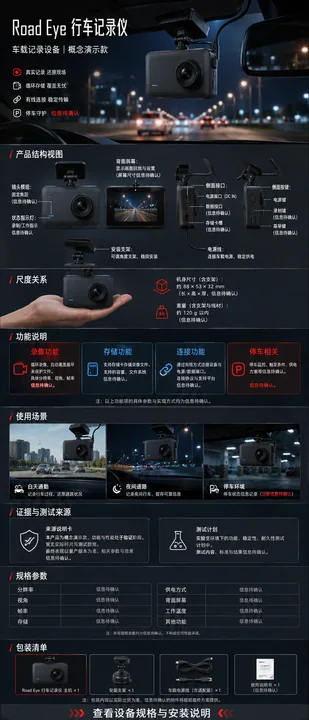
Road Eye 智能行车记录仪科技感电商详情页
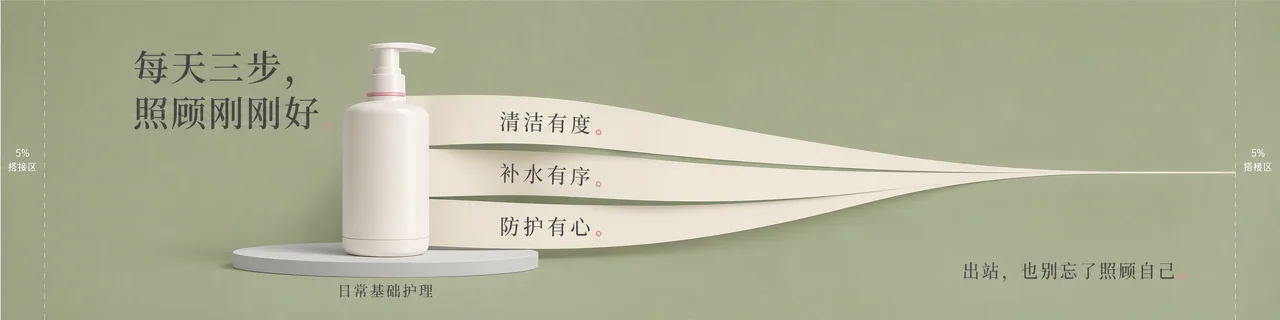
鼠尾草绿极简护肤地铁圆柱围挡视觉设计
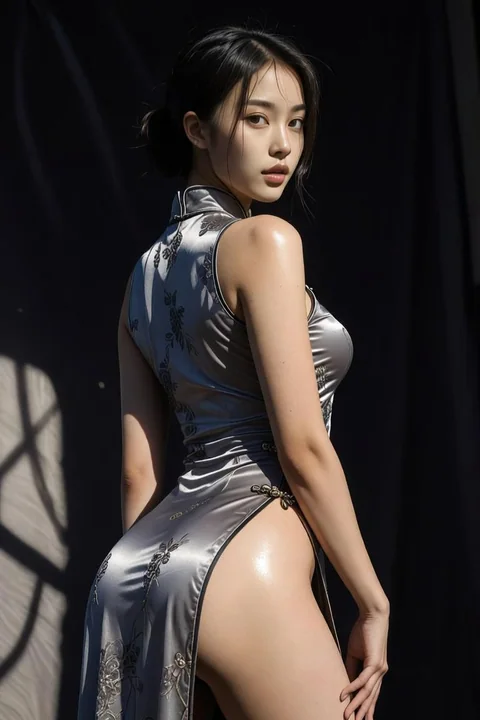
银灰色缎面旗袍东亚女性特写
写实风格的年轻东亚女性近距离时尚肖像,采用四分之三后视图,正回头看向肩膀后方,深色头发向后梳起,几缕松散的发丝修饰面部,五官精致,妆容素雅,目光冷静直视。她穿着一件修身的银灰色缎面旗袍,带有深色花卉刺绣,高立领,无袖,腰部有精致的盘扣,侧边开衩极高,从臀部一直向下,露出整条腿和臀部的曲线。身体侧向相机,躯干微微扭转,右手轻轻放在大腿外侧,手指修长可见。近乎黑色的背景,左侧有微弱的光线条纹和柔和的阴影图案。来自右上方的戏剧性侧后方照明,沿她的肩胛骨、手臂、腰部、臀部和裸露的腿部
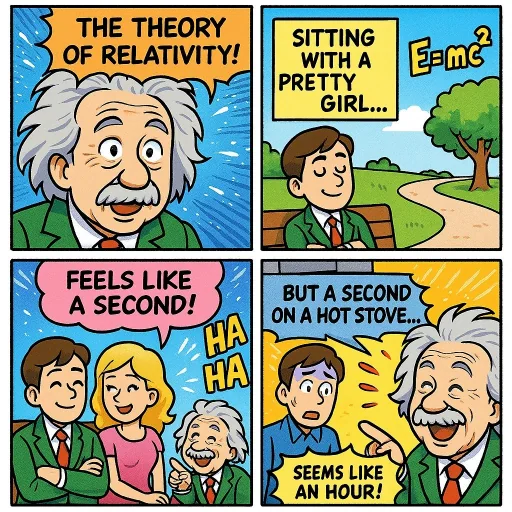
四格漫画(相对论)
制作一页色彩丰富的漫画,描述相对论的理论。加入一些幽默元素。
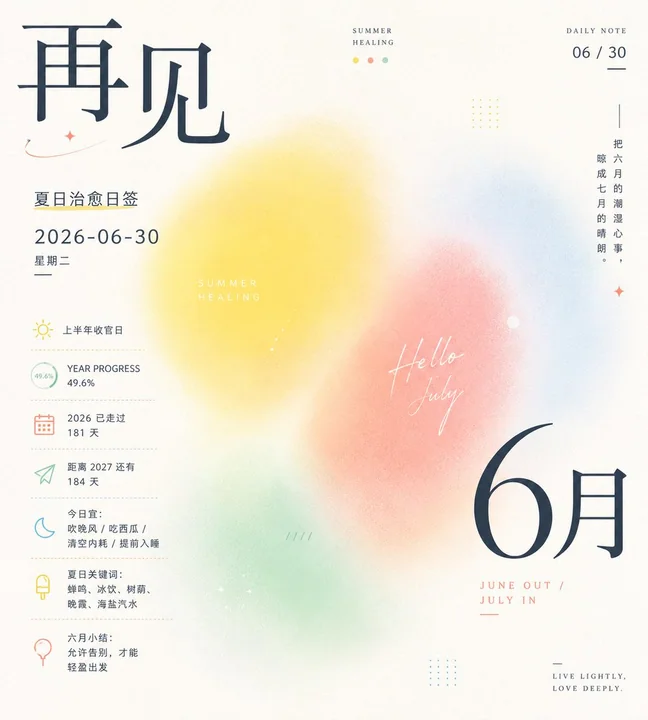
漫射光感与信息留白的视觉设计
围绕任意主题对象生成一张以扩散光感和信息留白为核心的视觉设计:让主题首先被转译成两到三团大尺度、边缘柔化的半透明色雾,彼此在画面中段交叠、穿插和轻微错位,形成像光晕渗开一样的主视觉,而不是清晰描边的实体插画;其中一团承载主题最强的情绪能量,面积最大、色彩最饱满,另一团作为辅助流动方向,第三层只作为淡淡的空气底色,使视觉从大片空白中慢慢显形。背景保持高明度、清透、干净,有通风感和柔和纸面颗粒,纹理像细密印刷噪点覆盖全画面,但不制造脏污、旧化或灰黄感。色彩从主题自身的材质、季节、
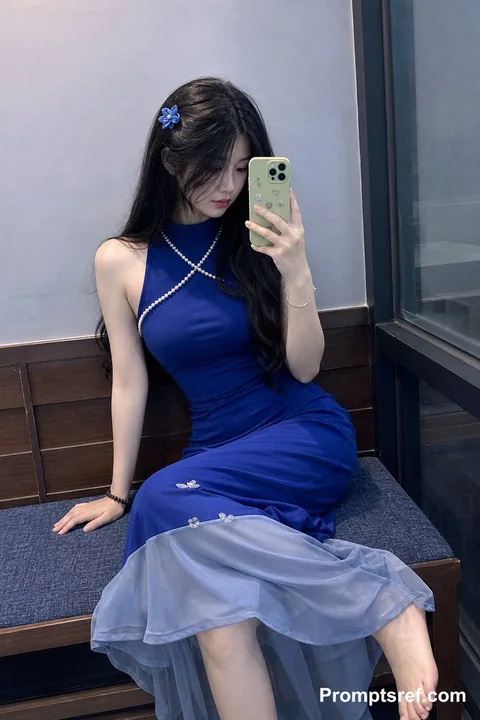
宝蓝色长裙,日系风格,女性,室内,木凳,自拍
{ "主体": { "描述": "一名年轻成年人,可爱的日本女性侧坐在木凳上,在冷色调的室内环境中安静地用手机自拍。她穿着一件修身的宝蓝色无袖连衣裙,高领口,长而飘逸的裙摆过渡到淡蓝灰色的半透明裙边。她的躯干略微转向镜头,头向下倾斜,看向挡在脸前的手机。她长长的黑发垂在双肩,部分遮住了一侧脸庞。整体画面感觉像是一张自发的个人照片,具有细腻、低调、略显忧郁的氛围。", "镜像规则": "这是直接的智能手机自拍而非镜像自拍。保留智能手机可见的背面及其装饰性的淡
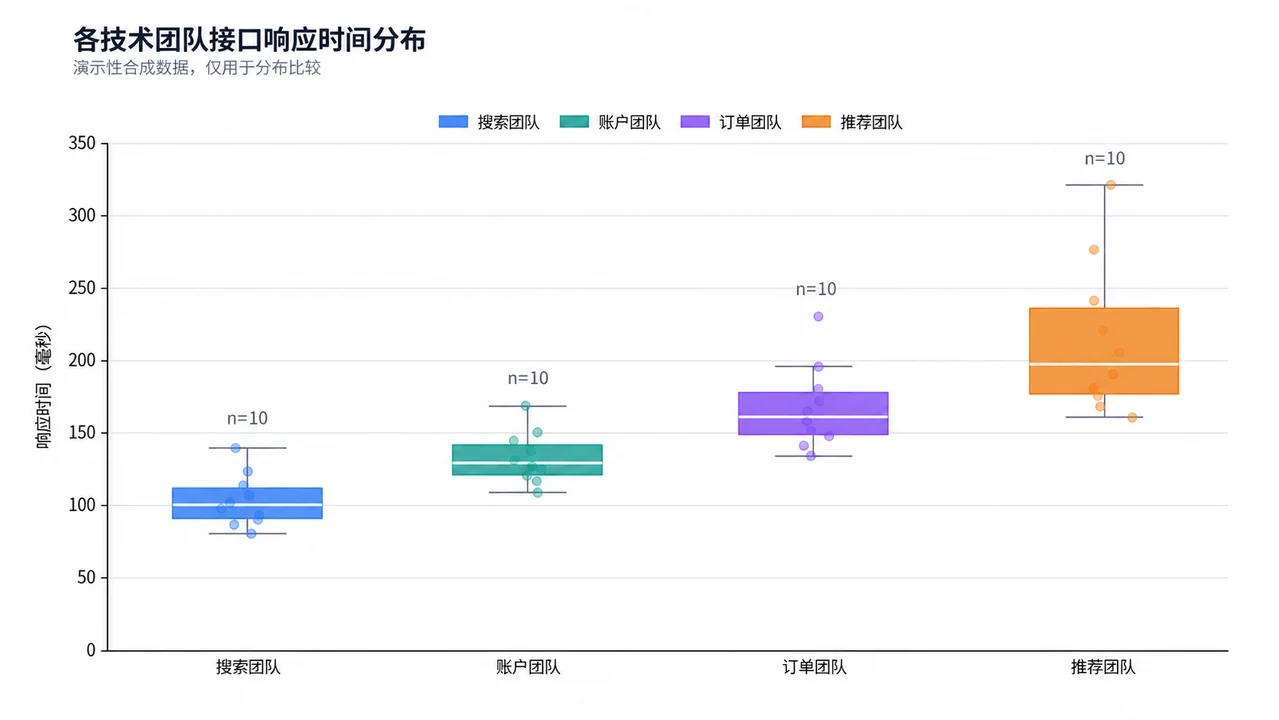
技术团队接口响应时间分布箱线图
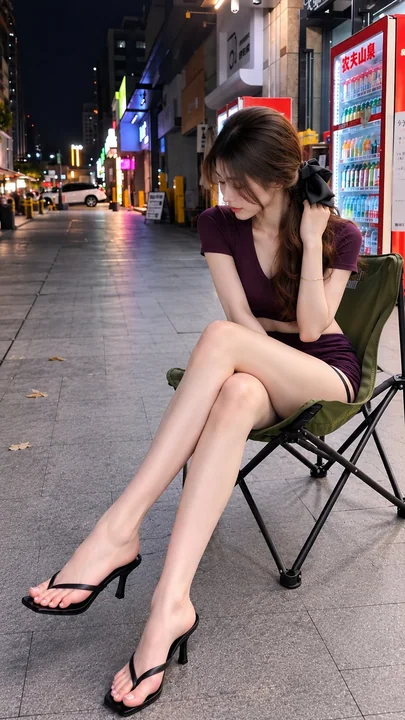
坐在城市街头露营椅上的东亚女性
9:16竖屏超写实真人街头摄影,一名25–28岁的成年东亚女性,身材高挑纤细、四肢修长、自然健康肤色,坐在中国现代城市商业街人行道上的一把深橄榄绿色户外露营折叠椅上。人物位于画面右侧中部,身体略微侧向画面左侧,双腿自然交叠,一条腿向画面左下方斜伸,另一条腿向镜头前方延伸,形成强烈但真实的近大远小透视,脚部完整入镜。她穿深葡萄紫色短袖修身罗纹针织短款上衣、同色高腰贴身短裤,腰部露出少量自然肌肤,脚穿黑色细带夹趾高跟凉拖,鞋跟纤细,佩戴简约细金手链。深棕色长发,发尾自然大波浪,低