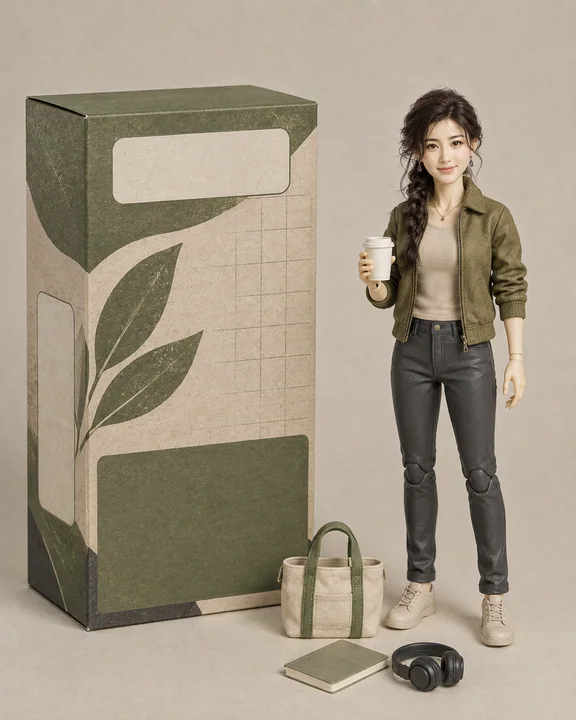
Case 7736
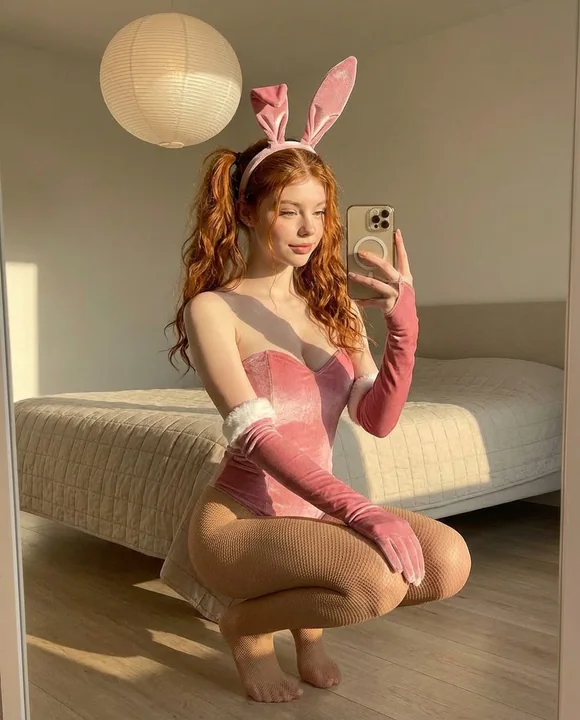
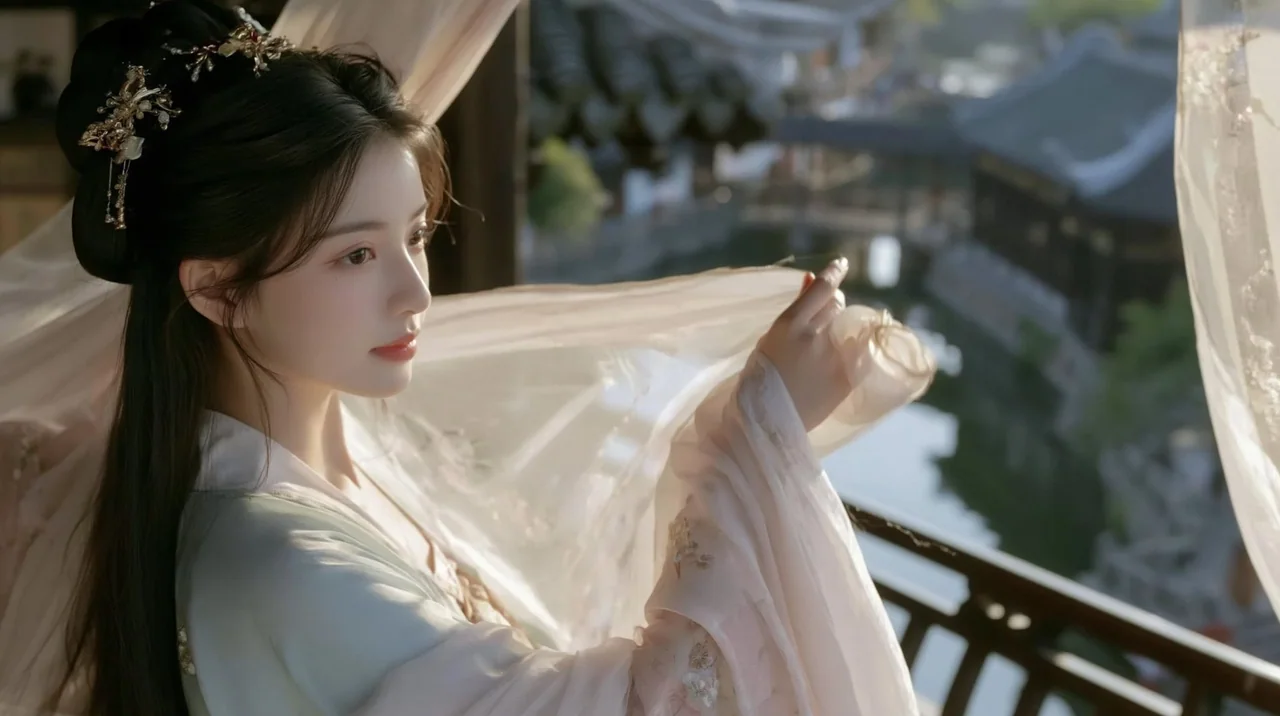
Cinematic image post-production color grading and texture enhancement
电影感光影高画质调色后期处理

Prompt
【MODE (Select only one / Multiple forbidden)】 MODE: A / B / C / D •A = Subject Emphasis (Make the main subject stand out at a glance) •B = Spatial Immersion (Enhance depth and realism) •C = Atmosphere (Focus on 'air' such as humidity, temperature, and weight) •D = Cinematic Completion (Prioritize finished quality over flashiness) ⸻ 【Fundamental Objective】 Treat the attached image as the final post-production stage of film production, and finish it as a "completed cut where the change is obvious at a glance" using lens, light, special effects, and color. No need to hold back. However, clarify the process and responsibility, and avoid overdoing it. ⸻ 【Starting Frame (Absolute)】 Use the attached image as is. Do not change the composition, subject, placement, orientation, or ratio at all. Do not change the camera position. Trimming is forbidden. Do not add or remove new objects, text, or decorations. ⸻ 【Fixed Conditions (Absolute Compliance / Change Forbidden)】 Time of day, weather, season, and story situation are invariant. Directing that misleads these is forbidden. Only the "appearance" can be directed. ⸻ 【Process 1: Lens Redesign (Must create a “structural change”)】 Analyze the lens characteristics of the original image (impression of focal length / depth of field / peripheral depiction), and clearly change them to the physical characteristics of a cinema lens. Must redesign the following: •Impression of focal length •Depth of field •Peripheral depiction (bokeh, vignetting, aberration) Lens Policy by MODE (Must follow) •MODE A: Prioritize separation of the main subject. Background organization. Shallow depth is forbidden, but move towards a depth where “only the main subject is clear.” Light vignetting guides the gaze to the center. •MODE B: Prioritize spatial depth. Move towards a depth where the distance from foreground to far background can be read. Peripheral information remains, and the space is not interrupted. •MODE C: Prioritize the layer of air. Natural impression in the standard range. Density is felt through gradation and subtle blurring (but turbidity is forbidden). •MODE D: Prioritize cinematic stability. Extreme bokeh or exaggeration is forbidden. Aberration is suppressed, and the lens feel is integrated with dignity. Pass Condition for this process: It must be obvious at a glance that the three-dimensional structure of the image has changed compared to the original image. ⸻ 【Process 2: Lighting Reconstruction (Gaze Guidance)】 Addition and emphasis of light sources are permitted. However, new light must only be within the “narratively plausible range.” Light that misleads the time of day or weather is forbidden. Light must always be used to guide the gaze to the main subject. Lighting Policy by MODE •MODE A: Organize the key/rim/reflection of the main subject to enhance presence, and suppress the background. •MODE B: Create a light gradient from foreground → midground → background, guiding the gaze in the depth direction. •MODE C: Emphasize diffused light and wrap-around light to increase the density of the entire space (do not overly strengthen the sense of light source). •MODE D: Unnatural highlights are forbidden. Prioritize the “organization” of existing light and adjust it to natural cinematic lighting. ⸻ 【Process 3: Special Effects (Tactile Sense of Space)】 Purpose is not flashiness but the “feeling of being able to touch the space.” Permitted use: volume light / airborne particles / mist, haze, humidity / subtle lens flare / light scattering. Effects should not be applied uniformly and should not interfere with the main subject. Input Amount by MODE •MODE A: Minimum. Only around the main subject and the path of the gaze. •MODE B: Medium. Create layers in the depth direction. •MODE C: Trace amount, but exists as “density” throughout (do not make it stand out). •MODE D: Invisible level. Dignity that is unnoticed even if present. ⸻ 【Process 4: Color Grading (Role Reallocation)】 Hue is maintained. Do not add color, but clarify roles. Reallocate saturation, contrast, and brightness, and integrate into a cinematic tone. Color Policy by MODE •MODE A: Prioritize the clarity and separation of the main subject. Suppress saturation/information in the background. •MODE B: Support the space with layers of color in the depth direction. Emphasize gradation. •MODE C: Moderate saturation, express air with differences in brightness and subtle color temperature. •MODE D: LUT feel is forbidden. Prioritize unity and dignity, and avoid excessive assertion. ⸻ 【Process 5: Final Check (Required)】 Satisfy all of the following: •The difference is obvious at a glance when compared side-by-side with the original image •It does not feel like the situation has changed (time of day, weather, season, story remain invariant) •Light and special effects do not look overdone •It functions as a single cinematic cut •Ultra-high definition. Film quality.
More prompts

Case 8942
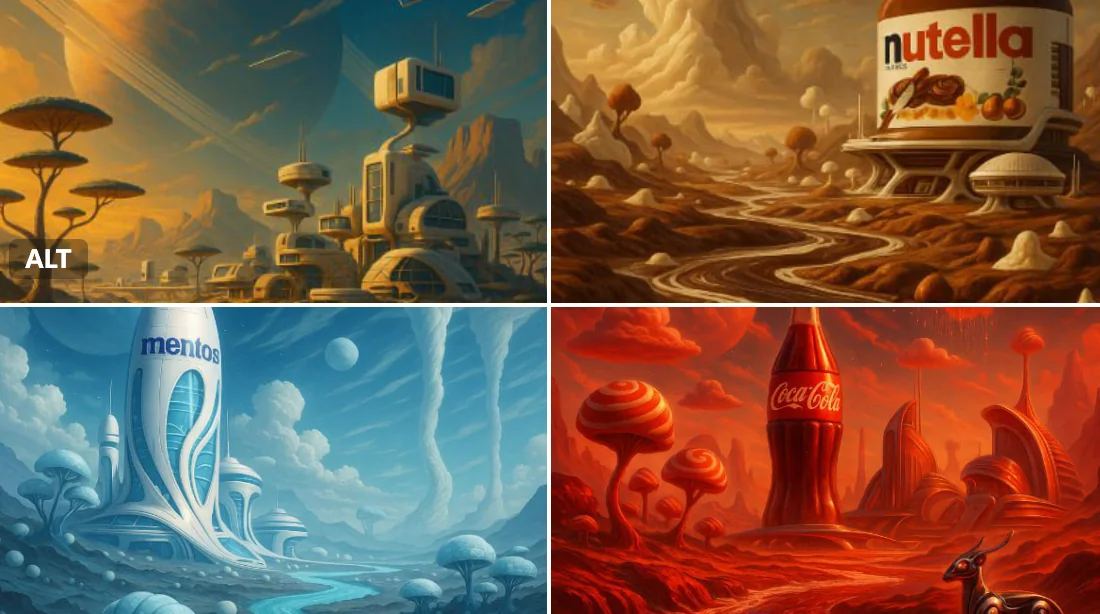
极简光影中漂浮的可乐护身符
A minimalist photograph of one cola made into an amulet floating against a solid white background. Soft diffused light, vertical camera angle. Tight framing, balanced composition, 3D rendering, and a tranquil aesthetic. 一张极简主义风格的照片,其中一罐 可乐
3D打印极简纯白可乐漂浮

Case 15469
手绘彩铅温暖治愈日系杂志插画
Hand-drawn colored pencil illustration style, off-white coarse texture paper background, black casual hand-drawn line art, colored pencil and crayon coloring texture, lines with slightly irregular handmade feel, warm orange, yellow, blue, g