Case 24952
高级食材观察旅行盘编辑海报
Prompt
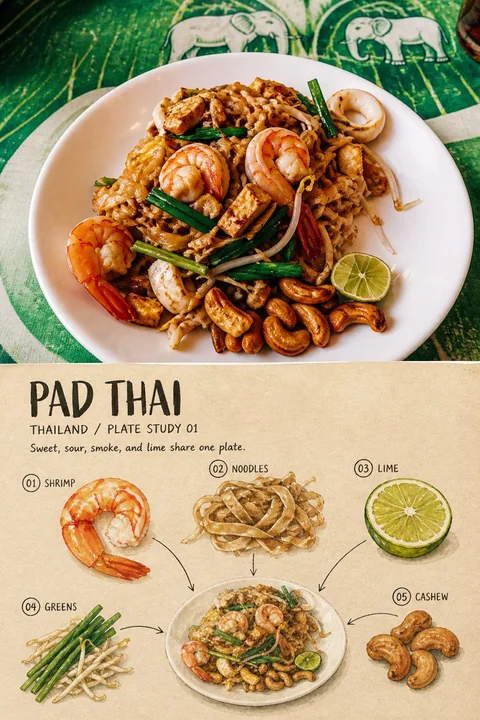
Please turn each photo of local cuisine I upload into an independent, high-end "Culinary Observation Travel Plate" editorial poster. Output each photo separately; it is forbidden to stitch multiple photos, different plates, or different dishes into the same work.

The input photo should have a complete plate or bowl as the clear subject, containing at least three identifiable components, such as staple foods, meat, seafood, eggs, vegetables, herbs, nuts, pickles, sauces, or decorative garnishes.

The overall composition is a 3:4 vertical layout, forming a clear contrast between the original food photography and the culinary observation transcription.

The upper part occupies about 45%—50% of the frame, faithfully preserving the original photo. Accurately maintain the outline of the plate or bowl, the number of ingredients, placement direction, area relationships, real texture, natural light and shadow, observation angle, and original colors. Only perform slight color grading suitable for independent food magazines and travel publications, and add a very thin film grain.

Do not re-plate, replace ingredients, move food, change portions, add decorations, or redraw real photography as illustrations in the photo area. When adapting to the frame, environment cropping can be used with restraint, but the main body of the complete plate must remain clearly identifiable.

Use a straight, clear, and restrained horizontal boundary between the upper and lower areas; a very narrow warm-toned paper gap can be kept. No gradients, feathering, dissolving, or letting ingredients cross the boundary.

The lower part occupies about 50%—55% of the frame, using warm off-white or ivory natural drawing paper, showing paper fibers, grain, slight stains, and irregular surfaces.

The lower part should not redraw the entire dish from above in the same composition; instead, decompose the same dish into a sparse culinary observation record on paper:

1. Select 3—6 truly visible and clearly identifiable components from the original photo;
2. In the center or lower part of the bottom section, draw a highly generalized but still instantly recognizable small image of the complete plate or bowl;
3. The small complete plate usually only occupies 28%—40% of the width of the lower part;
4. Extract the selected ingredients from the plate respectively, representing them as independent gouache samples, cross-sections, leaves, grain clusters, sauce color blocks, or structural sketches;
5. Use different scales and directions for different ingredients, forming a sparse, not completely symmetrical observational relationship around the small plate;
6. Use thin and slightly hesitant black ink lines, arrows, and numbers to map the ingredient samples back to their approximate positions in the plate;
7. Keep at least 35%—50% continuous off-white paper whitespace around, do not let arrows, text, and ingredients fill the entire lower area.

The lower part uses the material language of hand-painted culinary field notes:

- matte opaque gouache
- restrained black ink contours
- dry brush gaps
- uneven pigment coverage
- visible paper grain
- imperfect hand-painted edges
- subtle pencil construction marks
- handmade culinary field notebook

Forms should be highly generalized, yet still retain the most recognizable colors, outlines, cross-sections, and grain structures of the ingredients. Do not realistically copy, and do not draw as cartoon food icons.

Colors must be extracted from the original photo, compressing complex colors into 4—6 low to medium saturation ingredient-true colors. The background remains off-white, warm gray, or a very light photo-related color. Allow one warm color like sauce, egg yolk, chili, or fruit to be the visual focus, but avoid neon colors and high-saturation commercial menu color palettes.

Text must be determined word-for-word in the prompt based on photo facts, defaulting to include:

- A cuisine title of 1—3 English words;
- A location and observation number field, such as "THAILAND / PLATE STUDY 01";
- A taste or ingredient observation sentence of 5—12 English words;
- 3—6 short numbered labels, such as "01 RICE", "02 EGG", "03 HERBS".

If specific ingredients cannot be reliably identified, do not invent names; you can use: "RICE", "NOODLES", "GREENS", "SAUCE", "GRILLED ITEM", "PICKLED ITEM".

Text uses narrow handwritten recipe fonts, old recipe lead types, or gentle humanist sans-serif fonts, colored in warm black, deep taupe, or dark colors from the photo. Allow slight ink breakage, paper tooth, and manual errors.

The main title must be clearly readable at chat preview size; numbers and ingredient labels can be smaller but must not shrink into decorative thin lines. Text should be concentrated in a continuous piece of whitespace, like an observer's notes written on paper, rather than smooth digital layout overlaid later.

The overall feel should be like a traveler re-deconstructing, observing, and recording a whole plate of food after tasting a local dish: restrained, warm, clear, with a handmade feel, and also carrying a bit of taste memory and travel archive temperament.

Mandatory avoidance: Photos without a complete single-plate subject, multi-dish tables, multi-plate collages, restaurants or chefs as protagonists, fictional ingredients, adding ingredients not in the photo, proportional redrawing of the entire plate, realistic menu illustrations, dense nutritional infographics, cartoon food, smooth vector icons, plastic 3D food, full-bleed backgrounds, excessive text, prices, brands, logos, author names, signatures, dates, QR codes, URLs, social media interfaces, gibberish, fake Chinese, and watermarks.

请将我上传的每一张地方料理照片,分别制作成一张独立的高级“食材观察旅行盘”编辑海报。每张照片单独输出,禁止把多张照片、不同餐盘或不同菜品拼接在同一张作品中。

输入照片应以一只完整餐盘或餐碗为明确主体,盘中至少包含三种可以分别识别的组成,例如主食、肉类、海鲜、蛋、蔬菜、香草、坚果、腌菜、酱料或装饰配料。

整体采用3:4竖版构图,由原始食物摄影与食材观察转绘构成清晰对照。

上半部分约占画面45%—50%,忠实保留原始照片。准确保持餐盘或餐碗轮廓、食材数量、摆放方向、面积关系、真实质感、自然光影、观察角度和原有色彩。只进行轻微的独立美食杂志与旅行出版物调色,并加入极薄胶片颗粒。

不得在照片区域重新摆盘、替换食材、移动食物、改变份量、增加装饰或将真实摄影重画成插画。适配画幅时可以克制裁切环境,但必须保持完整餐盘主体清楚可辨。

上下区域之间使用笔直、清楚、克制的水平边界,可保留一道很窄的暖色纸张间隔。不要渐变、羽化、溶解或让食材跨越边界。

下半部分约占画面50%—55%,使用温暖的米白色或象牙色天然绘画纸,呈现纸张纤维、颗粒、轻微污迹和不规则表面。

下半部分不要把上方整盘料理以相同构图重新画一遍,而要将同一盘料理拆解为一页疏朗的纸上食材观察记录:

1. 从原照片中选择3—6种真实可见、能够明确识别的组成;
2. 在下半部分中央或偏下位置,绘制一枚高度概括、但仍然一眼可认的完整餐盘或餐碗小像;
3. 小型完整餐盘通常只占下半部分宽度的28%—40%;
4. 将所选食材分别从盘中抽离,表现为独立的水粉样本、切面、叶片、颗粒簇、酱汁色块或结构小稿;
5. 不同食材使用不同尺度和方向,围绕小型餐盘形成疏朗、不完全对称的观察关系;
6. 使用细而略带迟疑的黑色墨线、箭头和编号,将食材样本对应回餐盘中的大致位置;
7. 周围至少保留35%—50%的连续米白纸张留白,不要让箭头、文字和食材塞满整个下半区域。

下半部分使用手绘美食田野笔记的材料语言:

- matte opaque gouache
- restrained black ink contours
- dry brush gaps
- uneven pigment coverage
- visible paper grain
- imperfect hand-painted edges
- subtle pencil construction marks
- handmade culinary field notebook

形体应高度概括,但仍然保留食材最有辨识度的颜色、轮廓、切面和颗粒结构。不要写实复制,也不要画成卡通食物图标。

配色必须从原照片提取,将复杂颜色压缩为4—6种低至中等饱和度的食材本色。背景保持米白、暖灰或非常浅的照片关联色。允许酱汁、蛋黄、辣椒或水果等一处暖色成为视觉重点,但避免霓虹色和高饱和商业菜单配色。

文字必须在提示词中根据照片事实逐字确定,默认包含:

- 一个1—3个英文单词的料理标题;
- 一个地点与观察编号字段,例如“THAILAND / PLATE STUDY 01”;
- 一句5—12个英文单词的味觉或食材观察;
- 3—6个简短编号标签,例如“01 RICE”“02 EGG”“03 HERBS”。

如果无法可靠确认具体食材,不要编造名称,可使用:

“RICE”
“NOODLES”
“GREENS”
“SAUCE”
“GRILLED ITEM”
“PICKLED ITEM”

文字使用窄体手写食谱字、旧食谱铅字或温和的人文无衬线字体,颜色为暖黑、深灰褐或照片中的深色。允许轻微断墨、纸齿和手工误差。

主标题必须在聊天预览尺寸下清楚可读,编号与食材标签可以较小,但不能缩成装饰性细线。文字应集中在一块连续留白中,像画者写在纸上的观察记录,而不是后期覆盖的光滑数字排版。

整体应像旅行者在品尝一道地方料理后,将整盘食物重新拆解、观察和记录下来:克制、温暖、清楚、有手工感,也带一点味觉记忆和旅行档案气质。

强制避免:

没有完整单盘主体的照片、整桌多菜、多盘拼贴、餐厅或厨师成为主角、虚构食材、加入照片中不存在的配料、把整盘等比例重画、写实菜单插画、密集营养信息图、卡通食物、光滑矢量图标、塑料3D食物、满版背景、过度文字、价格、品牌、Logo、作者姓名、签名、日期、二维码、网址、社交媒体界面、乱码、假中文和水印。
Autres prompts
Case 10187
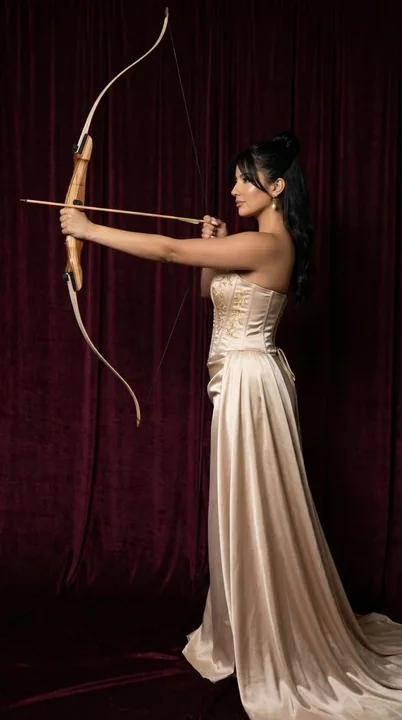
Archers en soie champagne sous le dais de Bourgogne rouge
{ "generation_request": { "meta_data": { "task_type": "photoreal_cinematic_couture_archer_portrait", "language": "fr", "priority": "highest", "version": "v1.0_BURGUNDY_DRAPE_SATIN_ARCHER" }, "output": { "aspect_ratio": "9:16", "resolution":
电影感巴洛克缎面裙暗调风女弓手
Case 5
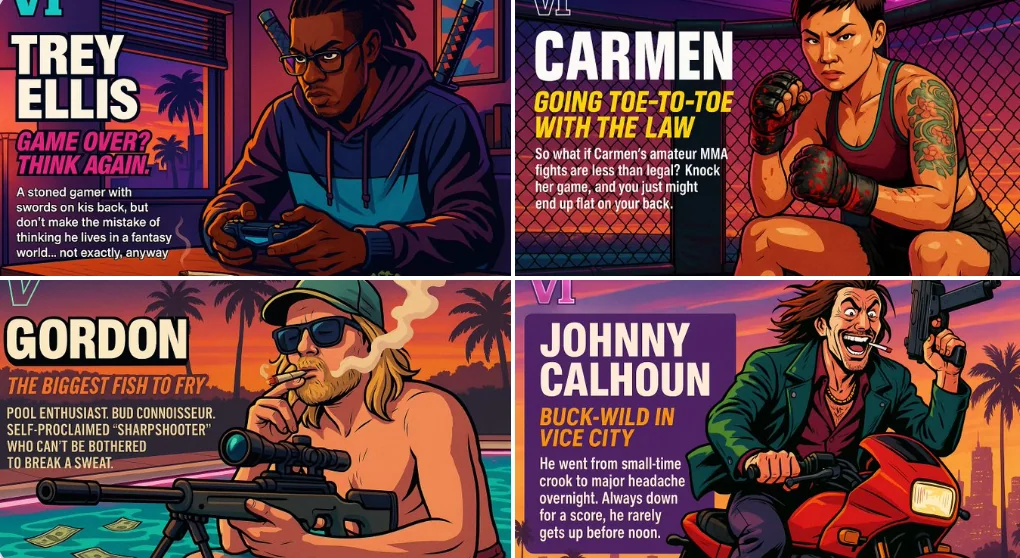
Créez votre propre personnage GTA
**VI** **LUCIAN "SUNSET" VARGAS** *“Where the sky meets the street — and I’m in the middle.”* Born under a blood-red sunset, Lucian Vargas is a smooth-talking con artist with a heart of gold (or at least, a wallet full of stolen cash).
characterlandscape