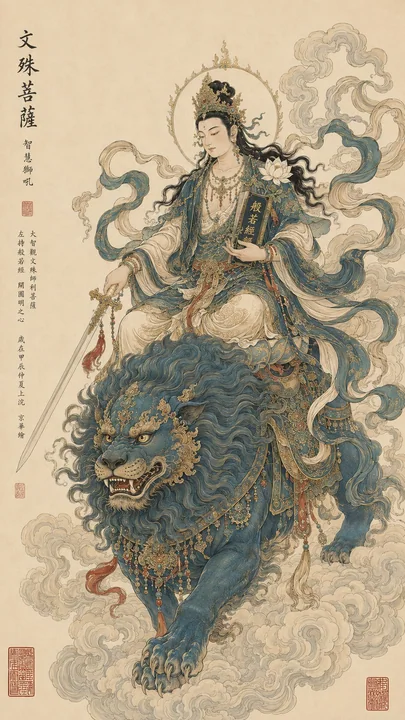
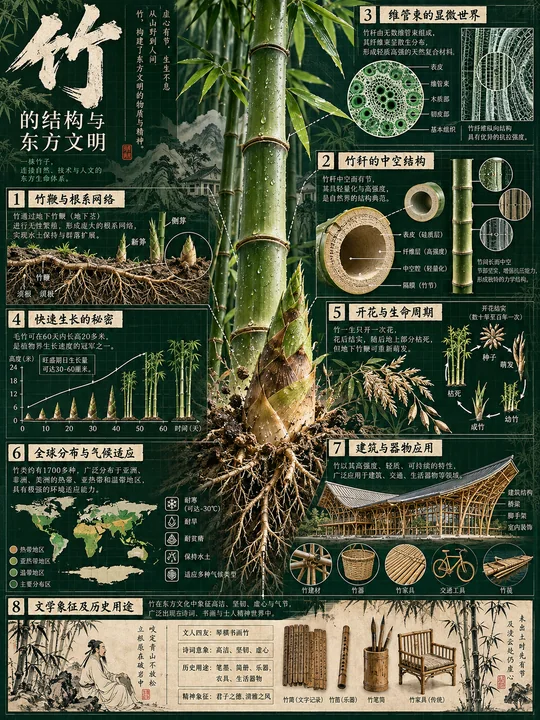
【Deity Identity】: Manjushri Bodhisattva / Virupaksha (Wide-eyed Heavenly King) / Vajrapani / Samantabhadra Bodhisattva / Other deities 【Divine Beast / Dharma Tool】: Blue Lion / Crimson Dragon / Vajra Scepter / Six-tusked White Elephant / Others 【Core Action】: Sitting upright on a beast / Standing in suppression / Stepping on clouds / Surrounding / Holding a dharma tool 【Main Color Palette】: Azurite, pale green, cinnabar, old gold, ink blue, ivory white 【Composition Method】: Top and bottom dual subjects / S-shaped surrounding / Frontal suppression / Diagonal momentum 【Overall Temperament】: Solemn, sacred, powerful, eerie, majestic 【Aspect Ratio】: 9:16 Generate an illustration of an Eastern deity's Gongbi heavy-color sacred icon, with [Deity Identity] as the core subject, combined with [Divine Beast / Dharma Tool] to establish a complete, clear, and powerful compositional relationship. The figures, divine beasts, dharma tools, silk ribbons, and clouds together form a clear visual "momentum," but the subject hierarchy must be distinct, avoiding all elements competing for the screen at the same time. The overall style merges the temperament of traditional Chinese deity paintings, Gongbi heavy color, fine-line ink engraving, and ancient sacred icon scrolls. The figure's appearance is solemn, possessing divinity and a sense of pressure. The attire adopts a complete system of traditional divine robes, armor, crowns, and jade ornaments, with patterns mainly consisting of cloud patterns, scale patterns, hui-style patterns, grass scrolls, lotus patterns, and beast-face patterns. Focus on maintaining "high-continuity Gongbi line drawing": Figure hair, beards, divine beast fur, dragon manes, feathers, etc., must follow the direction of natural growth and volume, shaped with long, smooth, continuous, and stable lines; silk ribbons, sleeves, dragon bodies, elephant trunks, and clouds use complete S-shaped and C-shaped large curves, clearly coherent from start to finish. Reduce fine, fragmented textures; do not use random short lines, dense broken dots, jagged hair, noise-like engraved lines, or meaningless small patterns. Armor, crowns, attire, and divine beast decorative patterns should be "few but complete," prioritizing the use of complete, closed large patterns and continuous border decorations. Complexity comes from clear structural layers, not a large number of miniature fragmented patterns. Color uses low-saturation but full, uniform, and continuous traditional mineral heavy colors, with [Main Color Palette] as the core. Azurite, stone green, ink blue, old gold, bronze gold, cinnabar, ochre red, ivory white, and other colors form clear large color blocks. Colors in the same area are stable and complete, with depth changes naturally transitioning according to the structure. Avoid random mottling, fading, stains, particles, artificial aging, and uneven color blocks. The background uses clean, warm ivory-colored Xuan paper, retaining only extremely light natural paper fibers, with large areas of white space and a small amount of continuous line-drawn clouds. The ancient charm comes from Gongbi lines, mineral coloring, Xuan paper, calligraphic inscriptions, and red seals, without relying on artificial aging. The image must include a traditional ancient painting inscription system: one column of medium-sized deity names, one column of smaller sub-titles, a small amount of fine inscriptions, and 3–5 red seals of staggered sizes. The text is part of the visual structure but must not overpower the figures and divine beasts, nor should it be made into modern poster-style large titles. The overall principle follows "high density for the subject, low density for the background": Figure faces, divine beast heads, dharma tools, and core armor areas have the richest detail; large robes and divine beast bodies maintain medium density; clouds and the Xuan paper background are the sparsest. 【神明身份】:文殊菩萨 / 广目天王 / 金刚力士 / 普贤菩萨 / 其他神祇 【神兽 / 法器】:青狮 / 赤龙 / 金刚杵 / 六牙白象 / 其他 【核心动作】:端坐御兽 / 镇立 / 踏云 / 环绕 / 持法器 【主色调】:石青、苍绿、朱砂、旧金、墨青、象牙白 【构图方式】:上下双主体 / S 型环绕 / 正面镇压 / 斜向动势 【整体气质】:庄严、神圣、威猛、怪异、肃穆 【画幅比例】:9:16 生成一张东方神明工笔重彩圣像插画,以【神明身份】为核心主体,并结合【神兽 / 法器】建立完整、清晰、有力量的构图关系。人物、神兽、法器、披帛和云气共同形成明确的视觉“势”,但主体层级必须清楚,避免所有元素同时抢画面。 整体融合中国传统神像画、工笔重彩、白描线刻与古籍圣像图卷气质。人物法相庄严、有神性和压迫感,服饰采用完整传统神袍、甲胄、冠饰与璎珞体系,纹样以云纹、鳞纹、回纹、卷草纹、莲纹、兽面纹等为主。 重点保持“高连续性工笔线描”:人物头发、胡须、神兽毛发、龙鬃、羽毛等必须顺着自然生长和体积方向,以长而柔顺、连续稳定的线条塑形;披帛、衣袂、龙身、象鼻和云气采用完整的 S 型、C 型大曲线,从起点到收尾清楚连贯。减少微碎纹理,不使用随机短线、密集断点、锯齿毛发、噪声式刻线或无意义的小纹样。 甲胄、头冠、服饰和神兽装饰纹样要“少而完整”,优先使用完整闭合的大型纹样与连续边饰。复杂感来自清晰的结构层级,而不是大量微型碎纹。 色彩采用低饱和但饱满、均匀、连续的传统矿物重彩,以【主色调】为核心。石青、石绿、墨青、旧金、铜金、朱砂、赭红、象牙白等颜色形成明确大色块,同一区域色彩稳定完整,深浅变化跟随结构自然过渡。避免随机斑驳、褪色、污渍、颗粒、做旧和色块不均。 背景使用干净温润的暖象牙色宣纸,只保留极轻天然纸纤维,大面积留白,配少量连续线描云气。古意来自工笔线条、矿物设色、宣纸、书法题跋和朱印,不依赖人工做旧。 画面必须加入传统古画题跋体系:一列中等大小神明名称、一列较小副题、少量细题跋,以及 3–5 枚大小错落的朱红印章。文字属于画面结构的一部分,但不能压过人物和神兽,也不要做成现代海报式大标题。 整体遵循“主体高密、背景低密”的原则:人物面部、神兽头部、法器与核心甲胄区域细节最丰富;大块衣袍和神兽身体保持中等密度;云气与宣纸背景最疏。

鮮やかなライムグリーンのポルシェ911 GT3が、ダイナミックでグラフィックなポスターに展示されています。車は中央に位置し、左側から3分の2のプロフィールで見られ、右方向を向いています。そのスリムで空気力学的なデザインは、ブラックのアクセント、大型のリアスポイラー、特徴的なホイールによって強調されています。背景には、そのブランドと血統を示唆するため、フェードアウトしたライムグリーンのポルシェのオーバーレイが微妙に配置されています。ポスターを縦に貫く目立つライムグリーンのストラ

Use the provided face reference as strict identity guidance. Identity lock enabled. Create an ultra-aesthetic luxury collage poster featuring the exact same girl from the reference image in three different poses: Taking a mirror/selfie pos

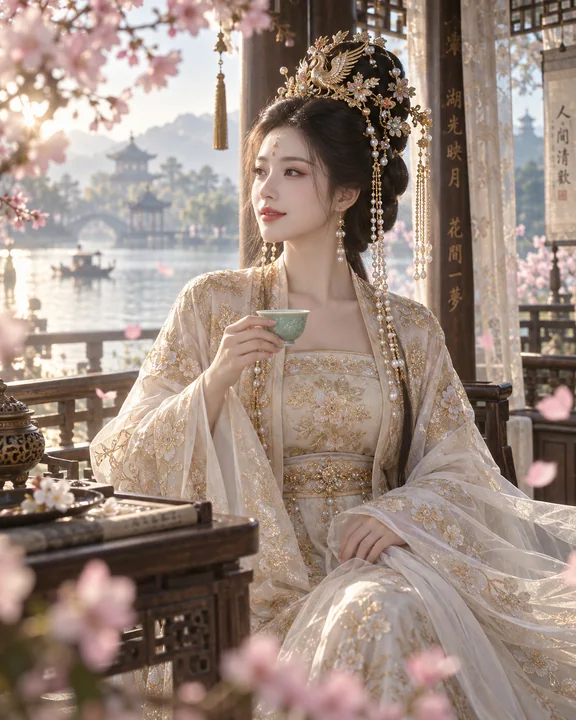
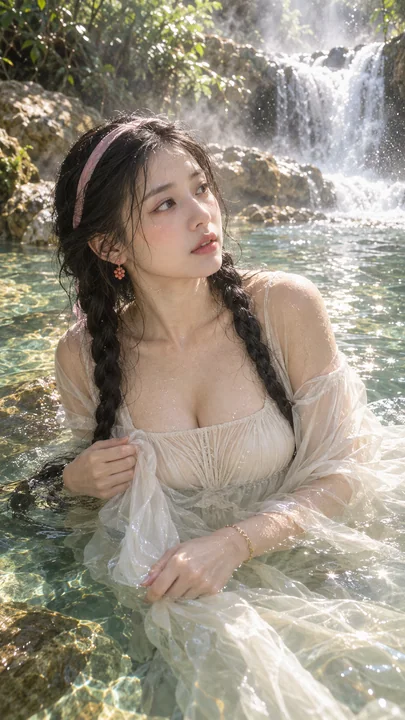
9:16 vertical, hyper-realistic Oriental classical dance photography. The character's face refers to the uploaded photo, maintaining the same adult East Asian woman's face shape, facial feature proportions, eyes, nose, lips, skin tone, and o