Case 14604
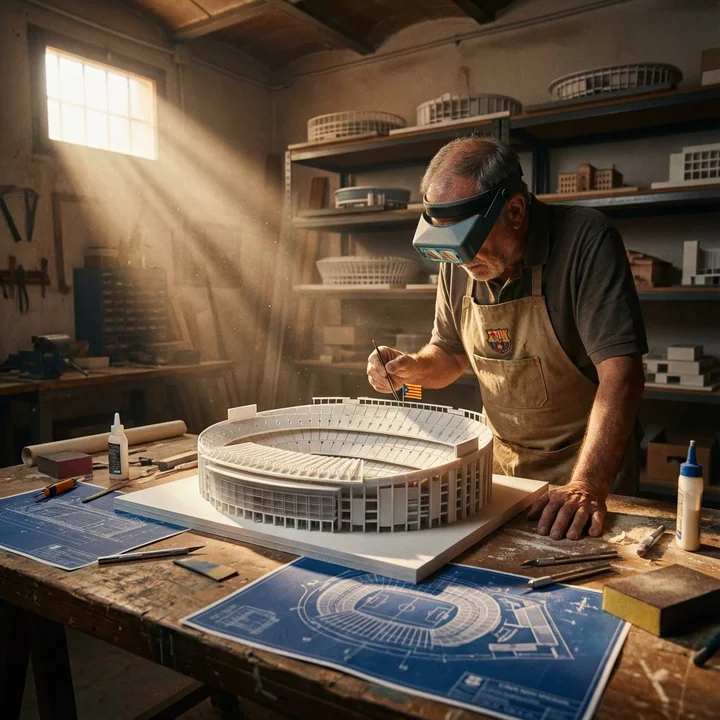
Empire at Your Fingertips: The Cinematic Creation of a Death Star Miniature Model
电影质感微缩模型丁达尔光匠人手作工坊场景
Prompt
Do this for Death Star: 1. The Semantic Inference Engine (The Masterpiece): Input A is a Famous Building, City, or Fictional Structure (e.g., The Colosseum, Hogwarts, The Death Star). Analyze the subject to determine the Model Aesthetic: The Material: Identify the primary modeling medium. (e.g., Ancient Ruins -> Plaster/Clay. Modern City -> White Foamcore/Acrylic. Fantasy -> Wood/Moss). The Blueprints: Identify the reference documents on the table. (e.g., Vintage Parchment Maps vs. Blue Cyanotypes vs. Digital CAD printouts). 2. The Workshop: Goal: "Cinematic Artisan" Portrait. The Room: A cluttered, high-ceilinged Model Maker's Studio. Wooden shelves line the walls, filled with "Previous Projects" (other models in the same genre). The Character: an input-inspired maker character wearing a relevant apron and an appropriate visor or protective tool. The Table: A scarred wooden workbench covered in scale modeling tools: X-Acto knives, glue bottles, sanding blocks, and sawdust. 3. The Narrative: The Pose: The craftsman is leaning in close to the "Model" (Input A), which sits centrally on the table. The Interaction: He is delicately placing a Tiny Detail Component onto the structure using tweezers or his fingers. (e.g., planting a miniature tree, placing a tiny flag, or gluing a microscopic figure). The Scale: The model looks grand but miniature; the human hands look massive and weathered in comparison. 4. Lighting & Atmosphere: Lighting: Volumetric God Rays (Tyndall Effect). A strong, singular shaft of warm sunlight streams in from a high window (top left/center), illuminating the floating dust particles and spotlighting the model. Contrast: The workshop corners are in deep shadow; the work surface is bright. Palette: Warm, dusty earth tones (browns, golds, beiges). Output: ONE image, 16:9 aspect ratio, cinematic photography, "National Geographic" aesthetic, volumetric lighting.

Perform this for the Death Star: 1. The Semantic Inference Engine (The Masterpiece): Input A is a famous building, city, or fictional structure (for example: the Colosseum, Hogwarts, the Death Star). Analyze the subject to determine its "model aesthetic": Material: Determine the primary modeling medium. (For example: ancient ruins -> plaster/clay. Modern city -> white foamcore/acrylic. Fantasy -> wood/moss). Blueprints: Identify the reference documents on the table. (For example: vintage parchment maps vs. blue cyanotypes vs. digital CAD printouts). 2. The Workshop: Goal: "Cinematic Artisan" portrait. The Room: A cluttered, high-ceilinged model maker's studio. Wooden shelves line the walls, filled with "previous projects" (other models in the same genre). The Character: an input-inspired maker character wearing a relevant apron and an appropriate visor or protective tool. The Table: A scarred wooden workbench covered with scale modeling tools: X-Acto knives, glue bottles, sanding blocks, and sawdust. 3. The Narrative: The Pose: The craftsman leans in close to the "model" (Input A), which is placed in the center of the table. The Interaction: He is carefully placing a tiny detail component onto the structure using tweezers or his fingers. (For example: planting a miniature tree, placing a tiny flag, or attaching a miniature figure). The Scale: The model looks grand yet tiny; in comparison, the human hands appear massive and weathered. 4. Lighting & Atmosphere: Lighting: Volumetric rays (Tyndall effect). A strong, singular beam of warm sunlight streams in from a high window (upper left/center), illuminating floating dust particles and spotlighting the model. Contrast: The corners of the workshop are in deep shadow; the work surface is bright. Palette: Warm, dusty earth tones (browns, golds, beiges). Output: one image, 16:9 aspect ratio, cinematic photography, "National Geographic" aesthetic, volumetric lighting.
More prompts
Case 10319
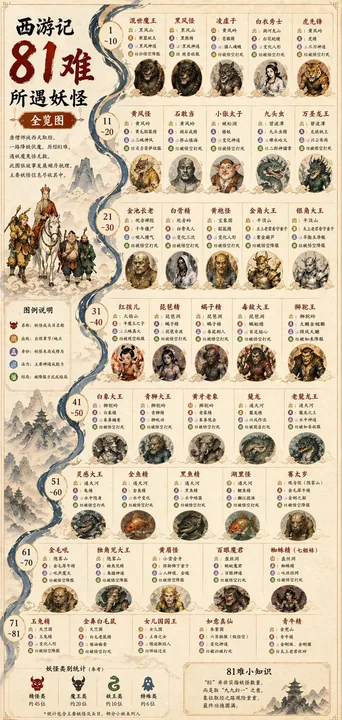
The Monster Guide of the Eighty-One Difficulties in Journey to the West
Infographic of monsters encountered in the 81 tribulations of Journey to the West, flowing timeline with icons, vertical design
信息图时间轴西游记竖版图妖怪志
Case 7
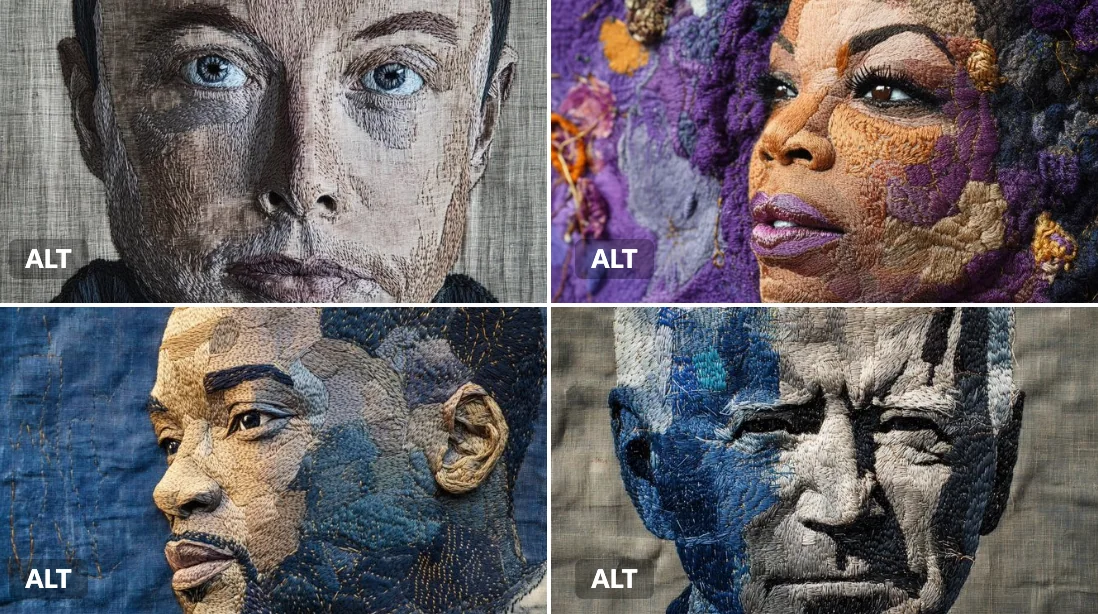
Embroidered portrait
An embroidered portrait of [subject], [colors] thread on deep linen fabric. Visible needlework, layered textures, and handmade patterns give it an earthy, sacred feel. An embroidered portrait of Elon Musk, stitched with rich steel grey and
portrait