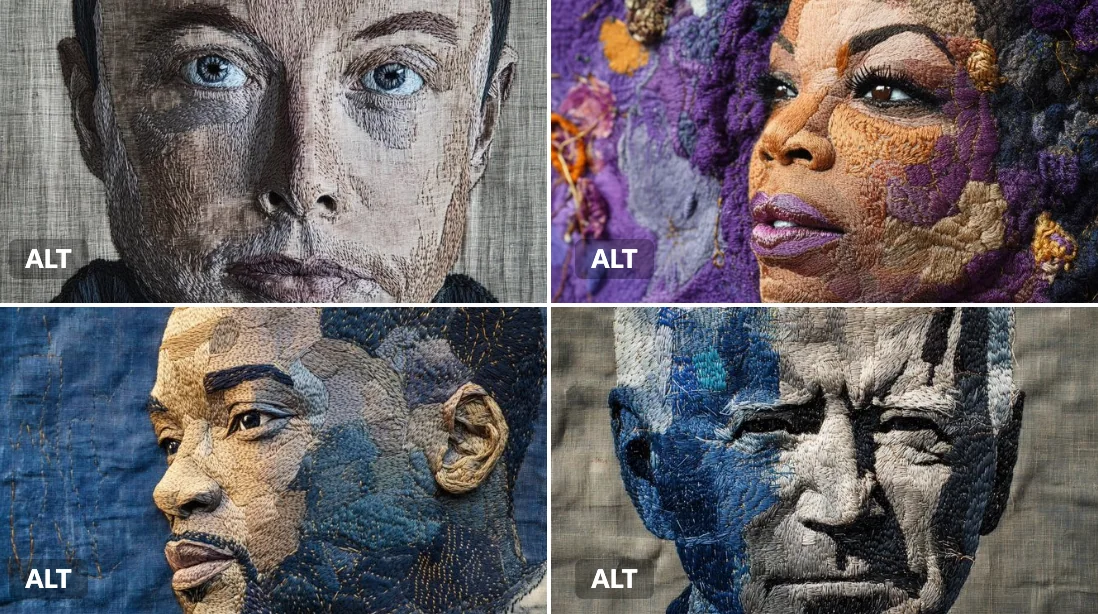
Case 13591
Fast Food Brand Visual Identity and UI System Style Guide
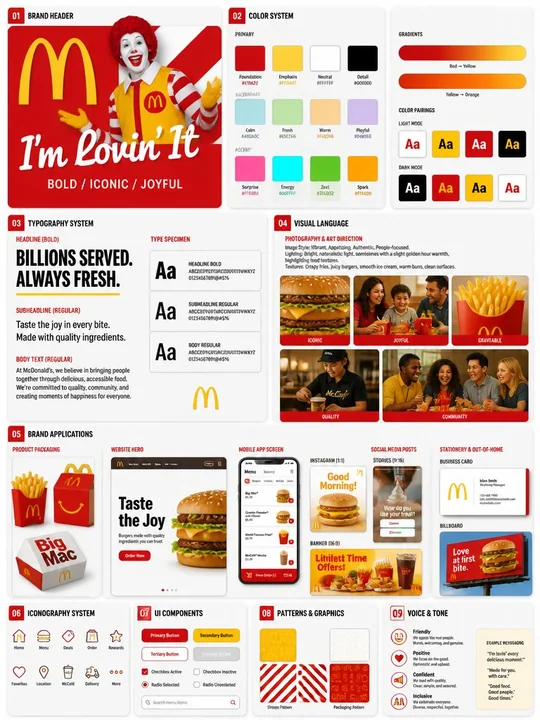
Prompt
Create a comprehensive, 9-part professional brand identity and UI/UX design system style guide sheet for a major fast-food brand. The layout should be structured as a clean, grid-based presentation with distinct, numbered sections (01 to 09). The overall aesthetic must be bold, iconic, and highly structured.

### 01 BRAND HEADER
- Include a bold, prominent logo on a striking background (e.g., solid red and white stripes).
- Display a recognizable brand mascot or character illustration.
- Include a memorable brand slogan (e.g., "it's finger lickin' good") written in a casual, handwritten script font.
- List three core brand keywords below the slogan separated by slashes (e.g., BOLD / ICONIC / REAL).

### 02 COLOR SYSTEM
- **Primary Palette:** Showcase 4 main colors with hex codes, labeled by their role (e.g., Foundation, Emphasis).
- **Secondary Palette:** 4 supporting colors with hex codes, labeled by atmospheric mood.
- **Accent Palette:** 4 pop colors with hex codes for specific callouts.
- **Gradients:** A visual spectrum displaying brand gradient transitions.
- **Color Pairings:** Small contrast blocks demonstrating text/background compatibility (e.g., Red+White, Black+Gold) in both Light Mode and Dark Mode interface previews.

### 03 TYPOGRAPHY SYSTEM
- **Headline:** A heavy, tightly lettered, all-caps sans-serif font for maximum impact (e.g., "REAL CHICKEN. REAL GOOD.").
- **Subheadline:** A clean, trustworthy sans-serif font in a contrasting color (e.g., "Hand-breaded. Freshly prepared. Every single day.").
- **Body Text:** A highly readable, friendly, everyday sans-serif font displaying a short brand philosophy paragraph.
- **Specimen Panel:** Display "Aa" font weight examples for Display Bold, Sans Bold, and Sans Regular next to a placeholder logo.

### 04 VISUAL LANGUAGE
- **Photography & Art Direction Guidelines:** Detail rules for Image Style (e.g., Bold, Editorial, Craveable), Lighting (e.g., Dramatic directional light with deep shadows), and Textures (e.g., Crispy, tactile food textures, raw wood, metal accents).
- **Image Grid:** Include a horizontal sequence of five distinct, high-contrast editorial food and portrait photographs, each tagged with a brand pillar (e.g., Bold, Real, Confident, Craveable, Iconic).

### 05 BRAND APPLICATIONS
- Show real-world implementations of the visual identity across multiple media:
  - **Product Packaging:** 3D mockups of branded food buckets and boxes.
  - **Website Hero:** A clean desktop landing page layout featuring a strong headline, product shot, and an "Order Now" button.
  - **Mobile App Screen:** A modern smartphone UI showing a food delivery interface.
  - **Social Media Posts:** Mockups for Instagram (1:1 square post), Stories (9:16 vertical), and Banners (16:9 widescreen).
  - **Stationery & Out-of-Home:** A minimalist corporate business card and a dramatic, high-impact nighttime billboard advertisement.

### 06 DESIGN SYSTEM (UI COMPONENTS)
- **Buttons:** State variations (Default, Hover, Disabled) for Primary, Secondary, and Text button styles.
- **Cards:** UI cards for food menu items featuring high-quality images, titles, pricing, and promotional "Today's Deal" badges.
- **Input Fields:** Default, Focused, and Error state text entry boxes.
- **Navigation Bar:** Desktop navbar layout with logo, menu links, and an actionable CTA button.
- **Spacing Scale:** A visual 8pt grid system scale showing incremental padding blocks (8px, 16px, 24px, up to 96px).

### 07 ICONOGRAPHY
- A clean grid of 10 minimalist, uniform line-art icons representing core actions and product categories: Chicken, Bucket, Burger, Fries, Drink, Location, Delivery, Offers, Account, and Favorite.

### 08 PATTERNS & MOTIFS
- Five rectangular swatches displaying repeating brand assets:
  - **Stripe Pattern:** Clean vertical lines.
  - **Colonel/Mascot Pattern:** A repeating line-art logo motif on a solid background.
  - **Texture Pattern:** A subtle, raw material texture (like wood or paper grains).
  - **Shape Motifs:** Geometric chevron/ribbon design elements.
  - **Dividers:** Thin, functional line breaks and UI indicators.

### 09 MATERIAL & DEPTH
- Four visual examples demonstrating physical spatial rendering:
  - **Real Shadows:** Product packaging casting natural, directional ambient shadows.
  - **Textured Surfaces:** Close-ups of tactile materials like paper, cardboard, and wood.
  - **Reflections:** Subtle gloss and polished finishes on plastic or glass drink cups.
  - **Layer Depth:** A layered mobile application UI showing depth hierarchy and overlapping elements.

### FOOTER QUOTE
- Conclude the sheet with a solid red accent block featuring a large white blockquote from the company founder alongside a clean vector line illustration of the brand mascot.
More prompts
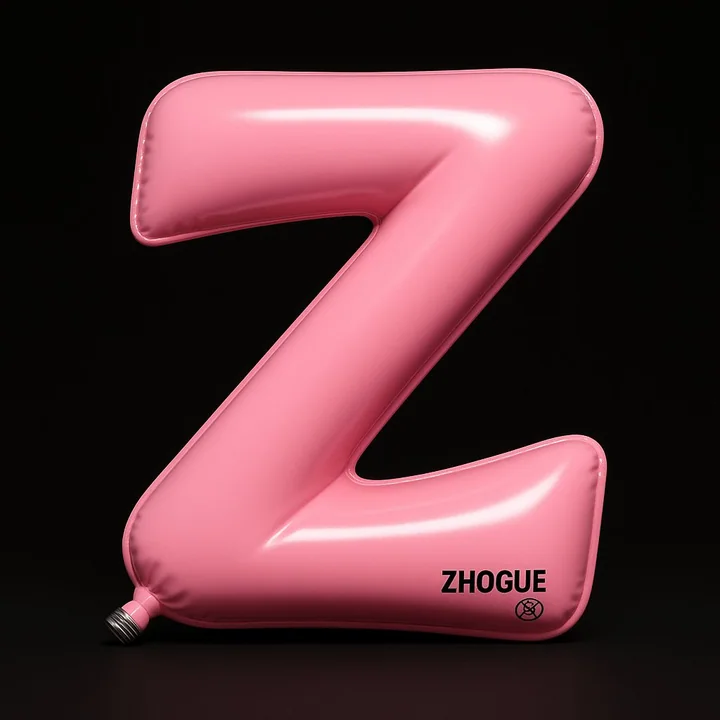
Case 22
Custom Balloons
A highly realistic 3D installation artwork: the letter Z is designed in an inflatable balloon shape, with an overall form resembling a smooth, curved "Z" path composed of two diagonal lines and a corner. The edges are slightly curled, exudi
minimalisttypographytoy3D渲染
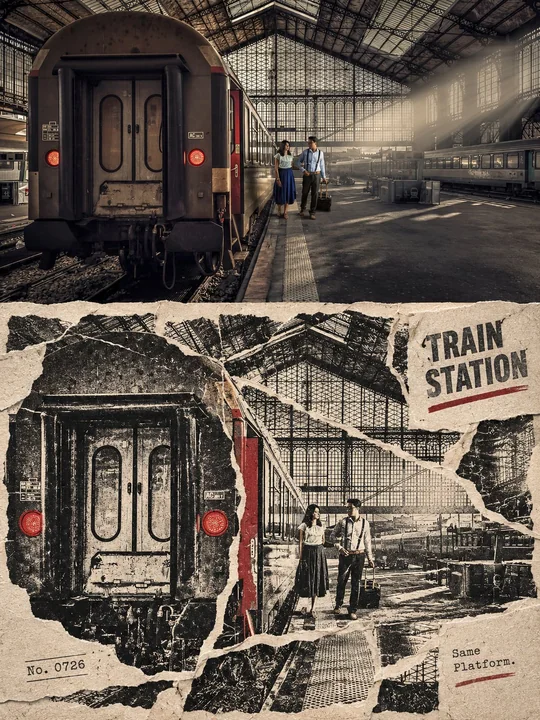
Case 28080
竖版上下对比撕纸轨道版画拼贴海报
Create a vertical 3:4 top-and-bottom comparison editing poster from the input photo. The upper half should completely preserve the real photographic texture, subject identity, and original composition of the input photo, without turning the