Case 7938
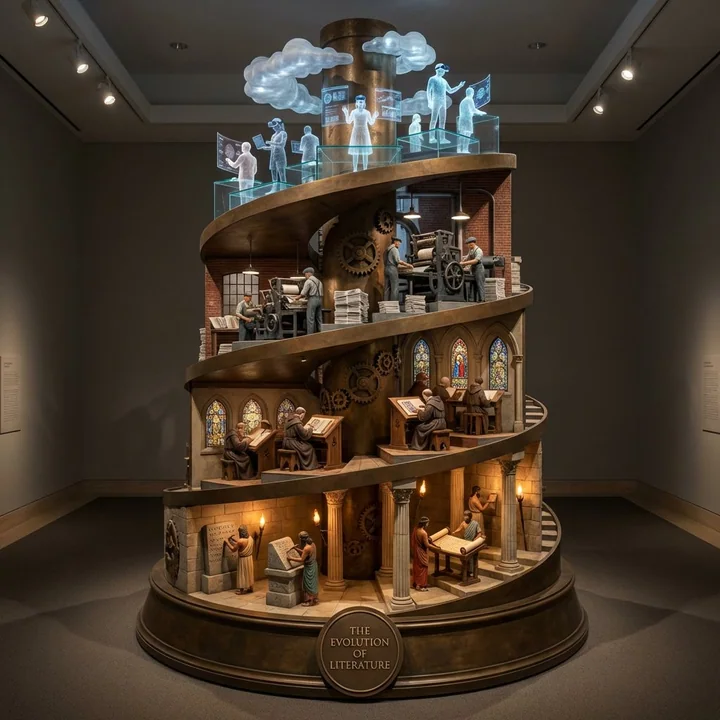
Величественная спираль памятника, символизирующего историческое развитие через время
微缩景观博物馆螺旋塔历史演进装置艺术
Prompt
Сделайте это для литературы: Входящее значение A — это тема с чёткой исторической эволюцией (например, Литература, Медицина, Полёт, Компьютеры). Разложите историю на 4 Вертикальных Эпохи: Уровень 1 (Основа — низ): Древнее происхождение. (например, Литература -> каменные таблички и свитки. Полёт -> крылья Леонардо да Винчи и дирижабли). Уровень 2 (Традиция — нижняя середина): Эпоха Средневековья/Ренессанса. (например, Литература -> скриптории и монахи. Полёт -> воздушные шары). Уровень 3 (Революция — верхняя середина): Эпоха промышленности. (например, Литература -> печатный станок и газеты. Полёт -> самолёты с винтами). Уровень 4 (Горизонт — верх): Эпоха цифрового/будущего. (например, Литература -> голограммные данные и виртуальная реальность. Полёт -> космические корабли и ионные двигатели). 2. Контейнер (Ротонда): Цель: "Музейная установка" 3D-искусство. Объект: гигантская, самостоятельная спиральная башня-скульптура, установленная в тёмном зале музея. Основание: круглый бронзовый постамент с золотой табличкой, на которой написано: "ЭВОЛЮЦИЯ [ВХОДЯЩЕГО ЗНАЧЕНИЯ A]". 3. Структура (Спираль): Спинка: центральная механическая или архитектурная опора поддерживает конструкцию. Наклонная лестница: непрерывная, широкая спиральная лестница, обёртывающаяся вокруг центральной опоры (как Башня Бabel или ДНК). Сцены: на лестнице на каждом уровне создаются подробные архитектурные диорамы: внизу: каменные арки, пещеры или храмы. В середине: деревянные каркасы, кирпичные заводы или железные фермы. Вверху: плавающие стеклянные платформы, лазерные решётки или узлы облачных вычислений. 4. Нарративный масштаб (население): Масштаб: фигурки в масштабе 1:50. Действие: на каждом уровне фигурки активно "работают" с технологией своего времени (например, писцы пишут, механики используют гаечные ключи, киборги взаимодействуют с интерфейсами).
Другие промпты
Case 1
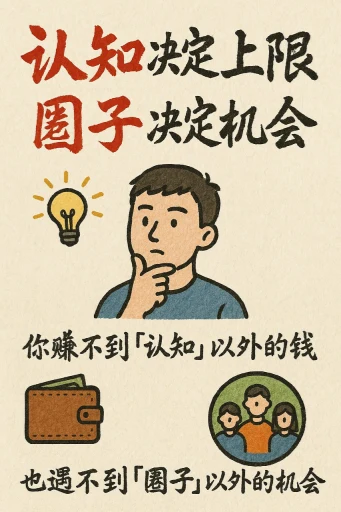
Инфографическая карточка в ручной рисованный стиле
Создайте карточку-инфографику в ручной стилистике с соотношением сторон 9:16 (вертикальная ориентация). Тема карточки должна быть ясной, фон — цветом молочного или кремового оттенка с текстурой бумаги. Общий дизайн должен передавать простот
illustrationtypographyportraitpaper-craftinfographic
Case 13062
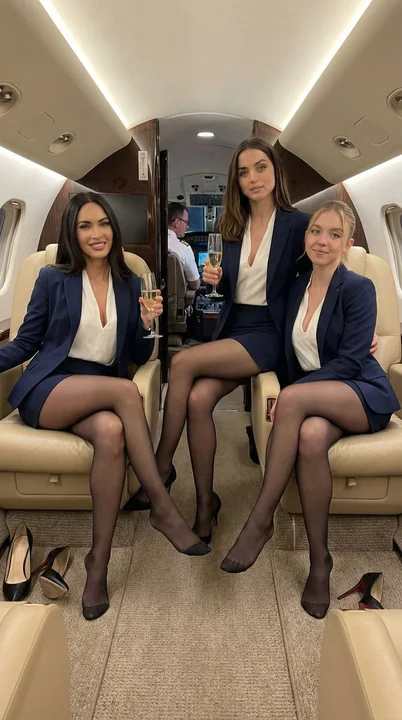
В роскошном частном самолёте среди облаков деловая красавица расслабляется босиком
(шедевр, лучшее качество, ультрадетализация, 8k, необработанное фото:1.2), 1 девушка, взрослая, одна, молодая бизнесвумен, тёмно-синий блейзер, подходящая мини-юбка-карандаш, белая блузка, (чёрные прозрачные колготки:1.1), сидит на бежевом
奢华