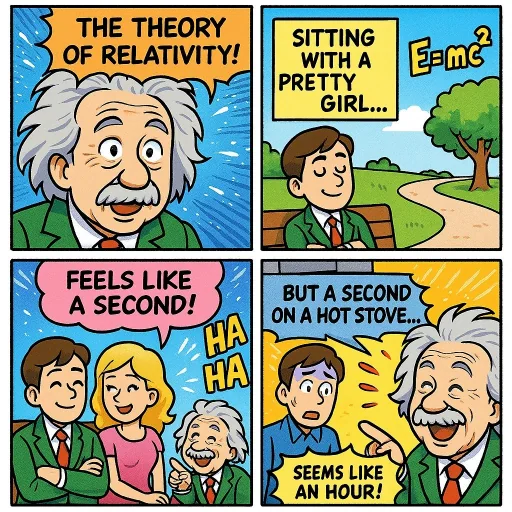
Case 26105
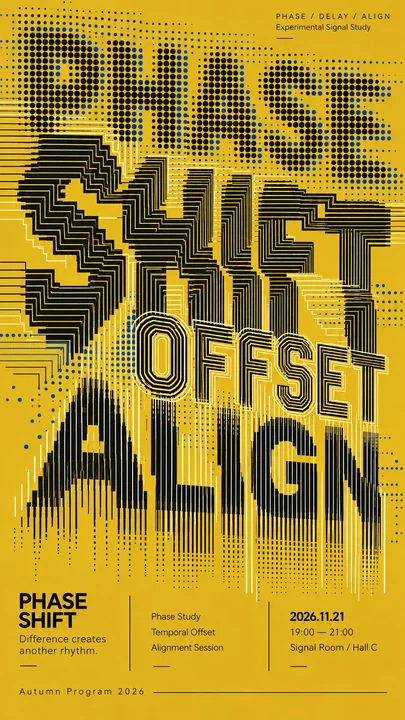
بوستر فني فاخر لتخطيط النصوص التجريبية
Prompt
العنوان: [عنوان الملصق]
كلمات المفهوم: [3–4 كلمات ذات صلة]
لون الخلفية: [اللون]
اللون الأساسي: [اللون]
اللون المميز: [اللون]
أنظمة الرسوميات: [نقاط / خطوط موجية / أقواس متحدة المركز / حدود مُزاحة / خطوط مشعّة]
نوع الحدث: [فن صوتي / معرض / أداء حي / برنامج ثقافي]
معلومات الحدث: [التاريخ / الوقت / المكان]
الصيغة: ملصق عمودي بنسبة 9:16

أنشئ ملصقًا تجريبيًا عالي الجودة للترميز، حيث تصبح الكلمات الإنجليزية الضخمة هي النظام البصري الرئيسي.

استخدم 3–4 كلمات متراكبة ذات علاقات مفهومية واضحة. لا تكتفِ بوضع نص عريض عادي وتطبيق القوام داخله. أعد بناء أشكال الحروف مباشرة من أنظمة هندسية دقيقة مثل مصفوفات النقاط، والخطوط الموجية المتوازية، والأقواس المتحدة أو غير المتحدة المركز، والحدود المتدرجة، والتسجيلات المُزاحة، والمقاطع المشعّة، وحزم الخطوط المشابهة للترددات.

امنح طبقات النص المختلفة سلوكيات رسومية مختلفة، ثم اربطها عبر انتقالات مضبوطة: قد تتمدد النقاط لتصبح خطوطًا، وقد تنفتح الأقواس لتصبح موجات، وقد تتحرك الموجات أو تنجرف، وقد تعيد أنظمة الخطوط محاذاة تدريجية. يجب أن يبدو الملصق كحقل ترميزي واحد يتطور باستمرار، وليس كمجموعة من التأثيرات المنفصلة.

استخدم التراكب، والضغط، والقص الجزئي، والإزاحة، والمساحة السلبية لإنشاء ترميز كثيف متعدد الطبقات. حافظ على تباين قوي في الكثافة: بعض المناطق مضغوطة بشدة ومضيئة، وبعضها متوسط الكثافة، وبعضها مفتوح عمدًا.

حافظ على جميع النقاط والخطوط نظيفة بشكل استثنائي، وحادة، ومتصلة، ومتعمدة. منحنيات ناعمة، مسافات متسقة، نقاط نهاية واضحة، أشكال نقاط مستقرة، بدون خطوط مكسورة غير متوقعة، أو حواف ضبابية، أو ضوضاء عشوائية، أو نمط موريه فوضوي، أو شوائب خلل، أو قوام ذكاء اصطناعي منخفض الجودة.

استخدم لوحة ألوان مقيدة وعالية التباين، مع لون خلفية سائد واحد، ولون ترميز رئيسي واحد، ومناطق مميزة صغيرة فقط.

احجز الجزء السفلي بنسبة 25%–30% لقسم معلومات تحريرية مصقول يحتوي على عنوان الملصق، وجمل مفهوم قصيرة واحدة، و2–3 عناصر برنامج، والتاريخ، والوقت، والمكان، واسم البرنامج. استخدم ترميزًا حديثًا نظيفًا بخطوط غير مائلة (Sans-serif)، ومستويات هرمية متعددة، وخطوط فواصل رفيعة، وشبكة ملصق ثقافي غير متماثلة.

يجب أن يعمل الصورة النهائية على ثلاث مسافات: تكوين تجريدي قوي عند حجم الصورة المصغرة، وترميز متراكب قابل للقراءة من مسافة متوسطة، وتفاصيل هندسية غنية عند الاقتراب.
مطالب أخرى
Case 28723
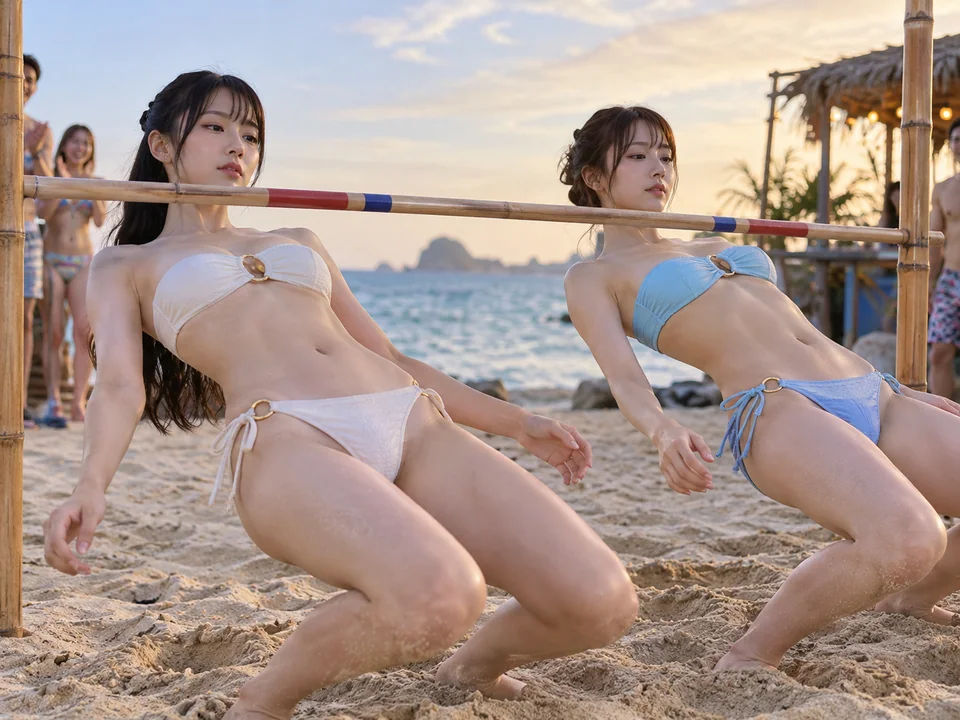
صور مضحكة لرقصة رينبو على الشاطئ مع نساء يابانيات جميلات
16:9 صورة مضحكة جميلتان يابانيتان في العشرينات من العمر، أنيقتان وجذابتان، الاثنتي مختلفتان تمامًا ممتلئتان، ساحرتان بينيكي بدون حمالات يميلان إلى الخلف ليمرا تحت عارضة أفقية يتنافسان في رقصة الليمبو على الشاطئ تلتقط الكاميرا الحركة الكاملة
Case 1
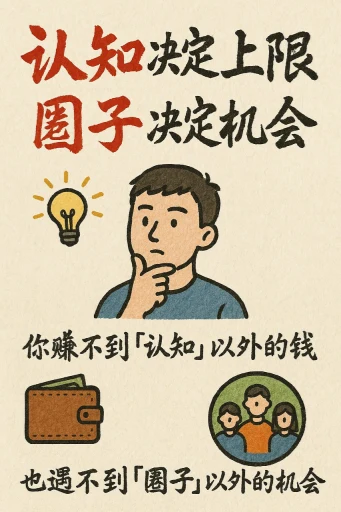
بطاقات معلومات بأسلوب يدوي رسمياً
تصميم بطاقة معلوماتية بأسلوب يدوي، بنسق 9:16 عمودي. يجب أن تكون البطاقة ذات موضوع واضح، خلفية بلون أصفر فاتح أو أبيض فاتح مع نسيج ورق. التصميم ككل يجب أن يعكس جماليات اليدوية البسيطة والودية. في الجزء العلوي من البطاقة، يتم إبراز العنوان بخ
illustrationtypographyportraitpaper-craftinfographic