Case 26461
高端半调拼贴旅行海报人像转换
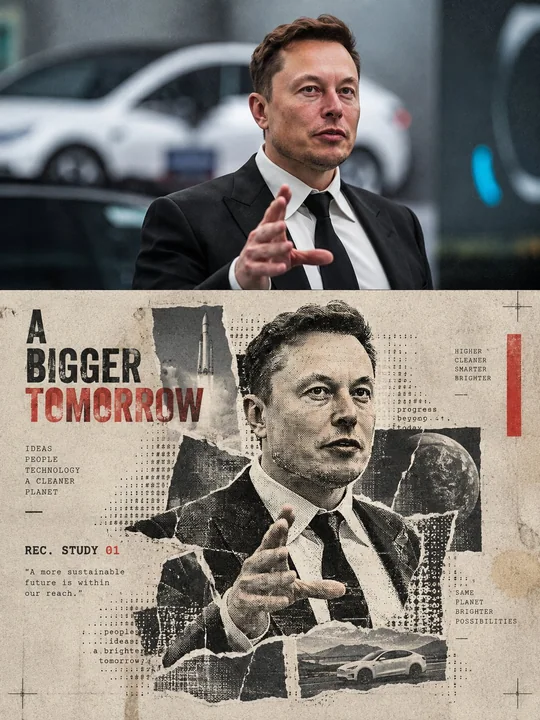
Prompt
Turn this portrait photo into a single high-end halftone travel-collage poster. Output one poster per uploaded photo — never merge multiple photos into one frame.

FORMAT
3:4 vertical canvas. Split into two roughly equal zones — real photo on top, printed collage below — divided by one clean, sharp horizontal line. Do not stretch, warp, or reposition the figure to force the proportions.

TOP HALF — THE REAL SHOT
Preserve the original photo faithfully: same identity, face, expression, pose, hands, layered clothing, headphones/books/devices/personal items, background structure, natural light and shadow, original color mood. Add only a light high-end color grade and the faintest film grain. Do not redraw or reinterpret the person.

BOTTOM HALF — THE PRINTED RECONSTRUCTION
Same warm gray old-paper background. Rebuild the same figure as a printed collage: torn photographic slices + fixed-width ASCII character fields + photocopy halftone dots.

- Keep face, hands, hairstyle, headphones, layered clothing, and one signature item recognizable — identity must survive the breakdown.
- Torn-edge photo fragments carry the face and key structural lines; fabric, shadow, and background dissolve outward into ASCII characters, black halftone dots, and fractured print grain.
- Texture: rough white paper-fiber edges, slight print misregistration, old paper stains, a couple of crop marks, one restrained red calibration bar.
- Color: warm gray paper + black ink + the photo's own muted original colors + the single red accent. Never fully desaturate.
- Figure fills roughly 60–88% of the frame width (scale to whatever reads best for this image) — but always leave 22–38% of the paper untouched and empty, so it reads as archival print, not a packed terminal screen.
- Add one readable fixed-width title pulled from the photo's theme, plus the line "REC. STUDY 01" and one short observational caption. A few loose ASCII glyphs can trace the figure's edge as texture only — never used to fake body detail or invent specs.

MOOD
Early digital systems meets analog photocopy meets underground zine meets modern travel editorial. The figure should feel like it's surfacing — half photograph, half character, half print — restrained, archival, a little experimental.

AVOID
Solid black terminal backgrounds, walls of dense code, cyberpunk neon, fully hidden faces, random symbols with no meaning, invented technical readouts, garbled fake text, author credits, brand logos, QR codes, watermarks.

将这张人像照片转化为一张高端的半调旅行拼贴海报。每张上传的照片输出一张海报——切勿将多张照片合并为一个画框。

格式
3:4 垂直画布。分为两个大致相等的区域——上方是真实照片,下方是印刷拼贴——由一条干净、锐利的水平线分隔。不要为了强行调整比例而拉伸、扭曲或重新定位人物。

上半部分 — 真实拍摄
忠实保留原始照片:相同的身份、面部、表情、姿势、手部、层搭服装、耳机/书籍/设备/个人物品、背景结构、自然光影、原始色彩氛围。仅添加轻微的高端调色和极细微的胶片颗粒。不要重新绘制或重新解释人物。

下半部分 — 印刷重构
相同的暖灰色旧纸张背景。将相同的人物重建为印刷拼贴:撕裂的照片切片 + 等宽 ASCII 字符域 + 复印半调网点。

- 保持面部、手部、发型、耳机、层搭服装和一件标志性物品可辨认——身份必须在拆解中幸存。
- 撕裂边缘的照片碎片承载面部和关键结构线;织物、阴影和背景向外溶解为 ASCII 字符、黑色半调网点和破碎的印刷颗粒。
- 纹理:粗糙的白色纸张纤维边缘、轻微的印刷套印不准、旧纸渍、几个剪裁标记、一条克制的红色校准条。
- 颜色:暖灰色纸张 + 黑色油墨 + 照片本身柔和的原始色彩 + 单一的红色点缀。切勿完全去色。
- 人物占据画框宽度的约 60–88%(根据该图像的最佳视觉效果缩放)——但始终保留 22–38% 的纸张留白,使其看起来像档案印刷品,而不是拥挤的终端屏幕。
- 添加一个从照片主题中提取的可读等宽标题,加上“REC. STUDY 01”字样和一段简短的观察说明。一些零散的 ASCII 字符可以作为纹理追踪人物边缘——绝不用于伪造身体细节或虚构规格。

氛围
早期数字系统结合模拟复印、地下杂志风格和现代旅行社论。人物应该感觉像是正在浮现——一半照片、一半字符、一半印刷——克制、具有档案感、带有一点实验性。

避免
纯黑终端背景、密集的代码墙、赛博朋克霓虹灯、完全遮挡的面部、无意义的随机符号、虚构的技术读数、乱码假文本、作者署名、品牌标志、二维码、水印。