Case 25898
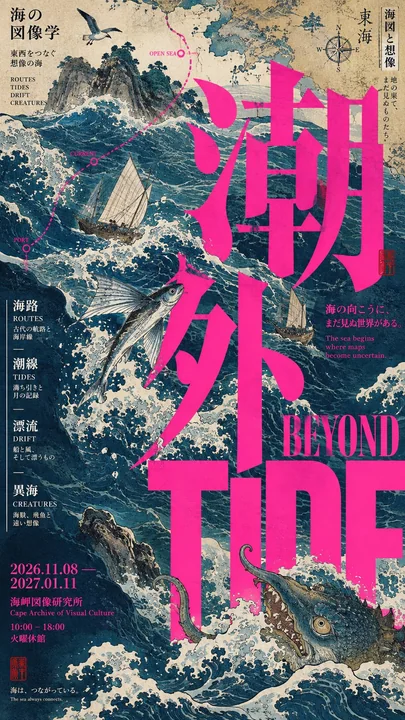
Промпт для постера: культурные издания японского художественного музея
Prompt
[Тема] {вставить тему}
[Китайский заголовок] {вставить 2–4 иероглифа}
[Английский заголовок] {вставить краткий английский текст}
[Центральный объект] {Человек / Артефакт / Классическое изображение / Продукт / Сцена и т. д.}
[Механизм композиции] {Древнее изображение × Неоновые гигантские буквы / Архитектура из гигантских букв × Переплетение с объектом / Человек × Геометрические срезы / Монохромное поле × Ультратонкая вертикальная ось / Другое}
[Основной цвет] {вставить}
[Акцентный цвет] {вставить}
[Плотность информации] {Низкая / Средняя / Высокая}
[Соотношение сторон] 9:16

Создайте постер с текстом и изображением, обладающий духом зрелого японского художественного музея, культурного издания и редакционного графического дизайна. Не используйте шаблон «заголовок + главное изображение + информационная панель»; вместо этого, исходя из [Механизма композиции], сначала создайте достаточно выразительное визуальное действие, позволяющее тексту, изображениям, цветовым блокам и объекту по-настоящему участвовать в единой композиции.

Типографика должна стать визуальной структурой. Китайские или английские заголовки можно максимально увеличить, вывести за края, сместить, пересечь зоны, перекрыть объектом или, наоборот, наложить на объект; допустимо, чтобы объект входил в негативное пространство глифов, создавая переплетение, перекрытие и глубину между «буквами» и «изображением». Установите явный контраст масштабов: гигантские заголовки × сильный объект × микротипографика; не позволяйте всему тексту сохранять одинаковый размер шрифта.

Изображения можно смело кадрировать; полное отображение объекта не требуется. В зависимости от темы используйте древние картины, архивную фотографию, портреты, артефакты, растения или другие визуальные материалы, но в каждом постере сохраняйте только один самый сильный объект и один самый сильный композиционный конфликт. Плотность информации должна быть локализованной: даты, английские подзаголовки, короткие фразы и миниатюрные аннотации могут естественно расти вдоль краев, цветовых блоков, глифов или объекта; не распределяйте их равномерно и не превращайте в карточный интерфейс.

Палитру ограничьте 2–4 основными цветовыми системами; можно смело использовать неоновый розовый, киноварь, оранжевый, бирюзовый, черно-белые сочетания, чтобы создать конфликт между традиционными изображениями и современными цветами; также можно использовать большие монохромные поля, сохраняя лишь минимальное количество объектов и текста. Допустимы легкая фактура бумаги, эффект офсетной печати или следы ручной работы, но без сильного состаривания, загрязнения или шумовых артефактов.

Финальный эффект должен напоминать по-настоящему выверенный художественным руководством японский культурный постер: смелые отношения текста и изображения, индивидуальная композиция, богатая, но упорядоченная информация, где у каждой работы есть самостоятельное визуальное действие, а не один и тот же шаблон с заменой контента.

Избегайте: обычного расположения «заголовок сверху, изображение снизу», регулярных сеток, карточного интерфейса, информационных модулей в стиле PowerPoint, двусторонней симметрии, полного центрирования всех объектов, бессмысленного английского текста, случайных иероглифов, чрезмерного CG, дешевых винтажных фильтров, нумерации 01 / 02 / Vol., четырехконечных звезд и блеска (sparkles).

【Тема】{вставить тему}
【Китайский заголовок】{вставить 2–4 иероглифа}
【Английский заголовок】{вставить краткий английский текст}
【Центральный объект】{Человек / Артефакт / Классическое изображение / Продукт / Сцена и т. д.}
【Механизм композиции】{Древнее изображение × Неоновые гигантские буквы / Архитектура из гигантских букв × Переплетение с объектом / Человек × Геометрические срезы / Монохромное поле × Ультратонкая вертикальная ось / Другое}
【Основной цвет】{вставить}
【Акцентный цвет】{вставить}
【Плотность информации】{Низкая / Средняя / Высокая}
【Формат】9:16

Создайте постер с текстом и изображением, обладающий духом зрелого японского художественного музея, культурного издания и редакционного графического дизайна. Не используйте шаблон «заголовок + главное изображение + информационная панель»; вместо этого, исходя из [Механизма композиции], сначала создайте достаточно выразительное визуальное действие, позволяющее тексту, изображениям, цветовым блокам и объекту по-настоящему участвовать в единой композиции.

Типографика должна стать визуальной структурой. Китайские или английские заголовки можно максимально увеличить, вывести за края, сместить, пересечь зоны, перекрыть объектом или, наоборот, наложить на объект; допустимо, чтобы объект входил в негативное пространство глифов, создавая переплетение, перекрытие и глубину между «буквами» и «изображением». Установите явный контраст масштабов: гигантские заголовки × сильный объект × микротипографика; не позволяйте всему тексту сохранять одинаковый размер шрифта.

Изображения можно смело кадрировать; полное отображение объекта не требуется. В зависимости от темы используйте древние картины, архивную фотографию, портреты, артефакты, растения или другие визуальные материалы, но в каждом постере сохраняйте только один самый сильный объект и один самый сильный композиционный конфликт. Плотность информации должна быть локализованной: даты, английские подзаголовки, короткие фразы и миниатюрные аннотации могут естественно расти вдоль краев, цветовых блоков, глифов или объекта; не распределяйте их равномерно и не превращайте в карточный интерфейс.

Палитру ограничьте 2–4 основными цветовыми системами; можно смело использовать неоновый розовый, киноварь, оранжевый, бирюзовый, черно-белые сочетания, чтобы создать конфликт между традиционными изображениями и современными цветами; также можно использовать большие монохромные поля, сохраняя лишь минимальное количество объектов и текста. Допустимы легкая фактура бумаги, эффект офсетной печати или следы ручной работы, но без сильного состаривания, загрязнения или шумовых артефактов.

Финальный эффект должен напоминать по-настоящему выверенный художественным руководством японский культурный постер: смелые отношения текста и изображения, индивидуальная композиция, богатая, но упорядоченная информация, где у каждой работы есть самостоятельное визуальное действие, а не один и тот же шаблон с заменой контента.

Избегайте: обычного расположения «заголовок сверху, изображение снизу», регулярных сеток, карточного интерфейса, информационных модулей в стиле PowerPoint, двусторонней симметрии, полного центрирования всех объектов, бессмысленного английского текста, случайных иероглифов, чрезмерного CG, дешевых винтажных фильтров, нумерации 01 / 02 / Vol., четырехконечных звезд и блеска (sparkles).Другие промпты
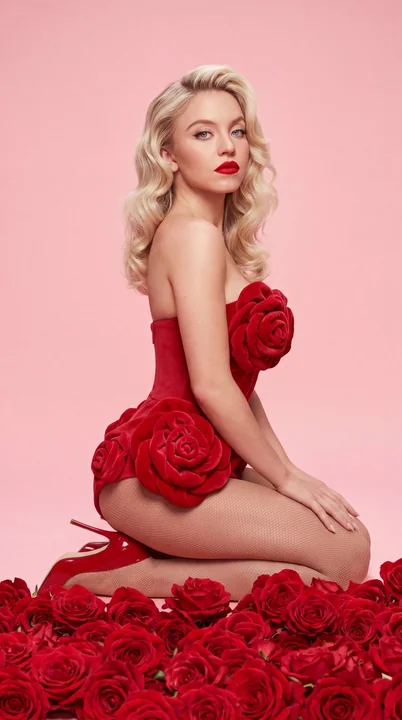
Case 23503
Сини Свини в красном: скульптурный образ в модном фотосете
{ "subject": { "identity": { "biometric_reference": "Sydney Sweeney", "forensic_matches": { "craniofacial_analysis": { "interpupillary_distance": "Откалибровано в соответствии с эталонными спецификациями"
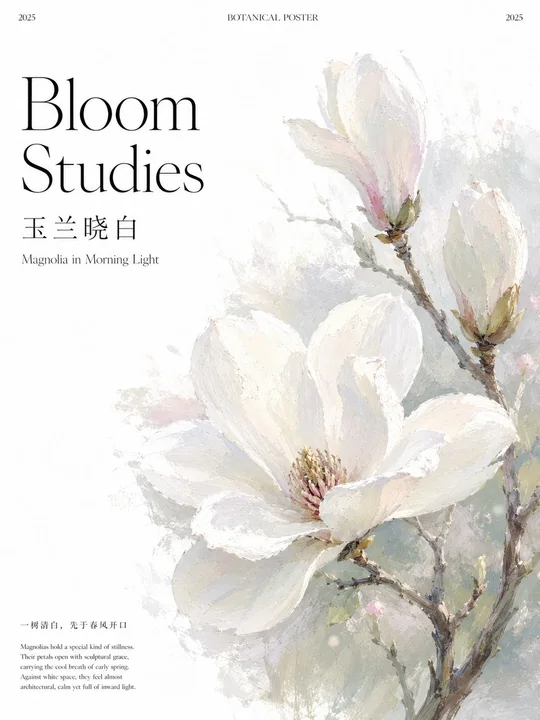
Case 22411
Серия ботанических постеров: белая магнолия
【Год】: 2025 【Название колонки на английском】: BOTANICAL POSTER 【Строка 1 названия серии на английском】: Bloom 【Строка 2 названия серии на английском】: Studies 【Китайский заголовок】: Магнолия Рассветная Белизна 【Английский подзаголовок】: М