Case 2205
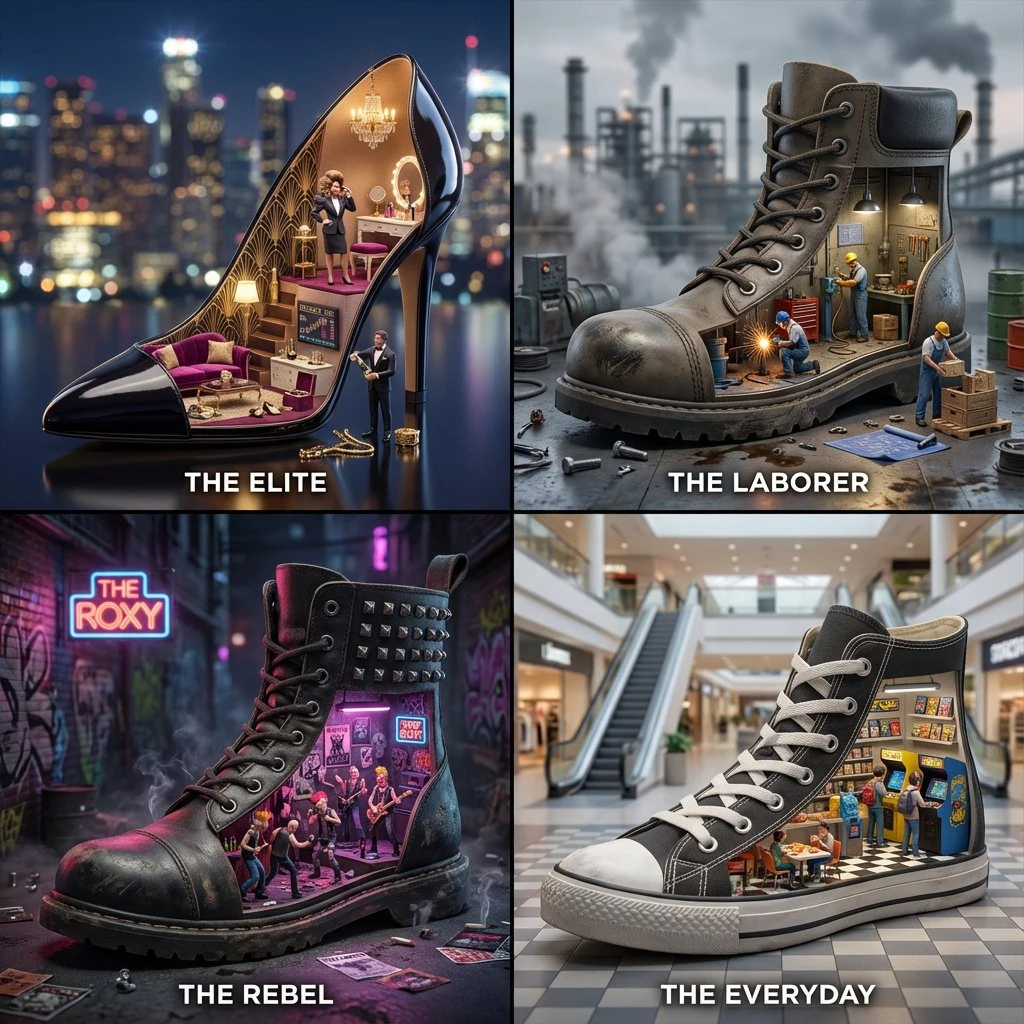
ميكروكوزم مجتمع يمتد على مدار قرن داخل الحذاء
8K画质微缩鞋宅阶级历史
Prompt
التعليمات:

الإدخال أ هو فترة تاريخية (مثلاً: 1700s، 1920s، 1990s، سايبر بانك).
قسّم الفترة إلى 4 نماذج اقتصادية اجتماعية لضمان التنوع:
     النخبة (الطبقة العليا): الثروة، الفخامة، الفخر.
     العامل (الطبقة العاملة): الصناعة، القوة، الإرهاق.
     المتمرد (المقاومة الثقافية): الموسيقى، السرية، الحياة الليلية.
     الشخص العادي (المنزل): المدرسة، المنزل، البقالة.

2. الحاوية (مملكة الحذاء):
     التنسيق: شبكة 2x2.
     الكائن: مخطط مميز للحذاء لكل نموذج (مثلاً: كعب حريري، نعل عمل، كعب كريبر، لوفير).
     المقطع: يتم إزالة الجانب الأيمن من الحذاء ليكشف عن مساحة داخلية متعددة الطبقات.

3. السكان الصغار
النقطة الأساسية: يسكن الحذاء أشخاص بمقاييس 1:12.
     السكان: حدد من يسكن أو يعمل في هذا الحذاء.
         (مثلاً: كعب 1920s -> فتاة فلابير تضع المكياج. نعل 1950s -> ميكانيكي يمسح الزيت. حذاء مثبت 1700s -> تجّار يحسب العملات).
     التفاعل: يجب أن تكون الأشخاص نشطة، وليس ساكنة. فهي تسلق السلالم، تملأ الرفوف، تقدم المشروبات، أو تجلس على الأثاث.

4. تصميم الداخلية
     العمارة: أرضيات مخصصة، ورق جدران، وfixtures للإضاءة تتناسب مع جو الحذاء.
     الكثافة: لا تضع فقط الأشياء على الرفوف. اتركها متناثرة.
         النخبة: صناديق المجوهرات المفتوحة، مسحوق متناثر، شرائط حرير.
         العامل: بقع زيت، مسامير متناثرة، مخططات، غبار حفر.
         المتمرد: أقراص فينيل على الأرض، دخان سيجارة، صور.
         الشخص العادي: بقالة، كتب، ملابس مطوية.

5. الخلفية السياقية
     الخلفية مُبهمة (بُوكه) لكنها تشير إلى المكان الذي يُرتدى فيه الحذاء.
         النخبة: مصابيح قاعة الرقص / مقصورة الأوبرا.
         العامل: بخار المصنع / حقول المزرعة.
         المتمرد: شارع مظلم / إضاءة نيون في نادي جاز.
         الشخص العادي: شارع محيط / أكشاك السوق.

6. الإضاءة والجو:
     الإضاءة التفاعلية: تأتي الإضاءة من مصادر صغيرة داخل الحذاء (مثلاً: مصباح صغير، مصباح معلق، لافتة نيون).
     المقاييس: عمق مجال رؤية التصوير المقرب. يجب أن تبدو الشخصيات كتماثيل يدوية مصنوعة بجودة عالية.

الناتج: صورة واحدة تحتوي على شبكة 2x2، نسبة 1:1، رسمة ثلاثية الأبعاد، أسلوب "حياة المينييثر"، دقة 8k.مطالب أخرى
Case 14867
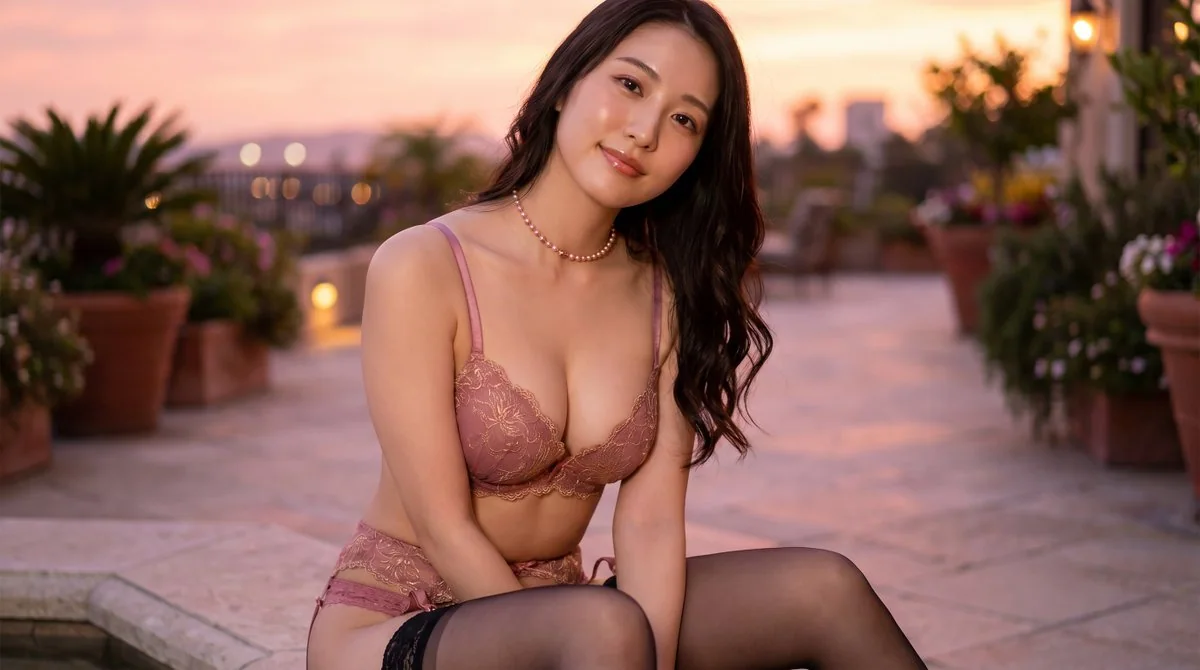
امرأة يابانية جميلة ترتدي ملابس داخلية من الدانتيل الوردي الرومانسي على شرفة عند الغروب
امرأة يابانية شابة مذهلة الجمال في أوائل العشرينات من عمرها، ببشرة خالية من العيوب ناعمة كالخزف، ذات ملمس ياباني ناعم حليبي شبه شفاف يشبه «اللوكوم»، بشرة مخملية شديدة النعومة وخالية من المسام، احمرار طبيعي خفيف على الخدين، لون بشرة يابانية
Case 11979
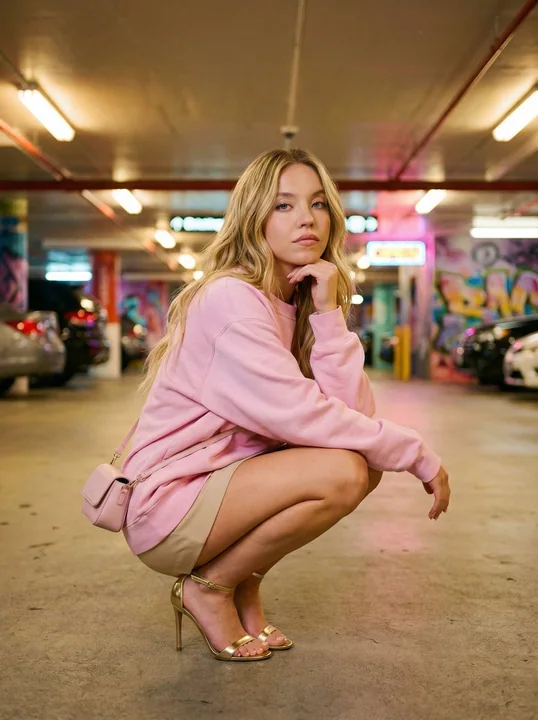
صور فوتوغرافية أنيقة لموقف السيارات تحت ضوء霓虹
{ "الموضوع": { "النوع": "امرأة شابة", "النمط": "فائق الواقعية، مقالة أزياء"، "المزاج": "هادئ، متحمس، متوازن"، "المظهر": "نسيج البشرة الطبيعي، نسب حقيقية، تفاصيل عالية"، "المعرفة": "شخصية عامة، قابلة استبدالها بوجه مخصص أو مرجعي" }, "الوضع":
电影感霓虹超写实人像时尚