Case 25281
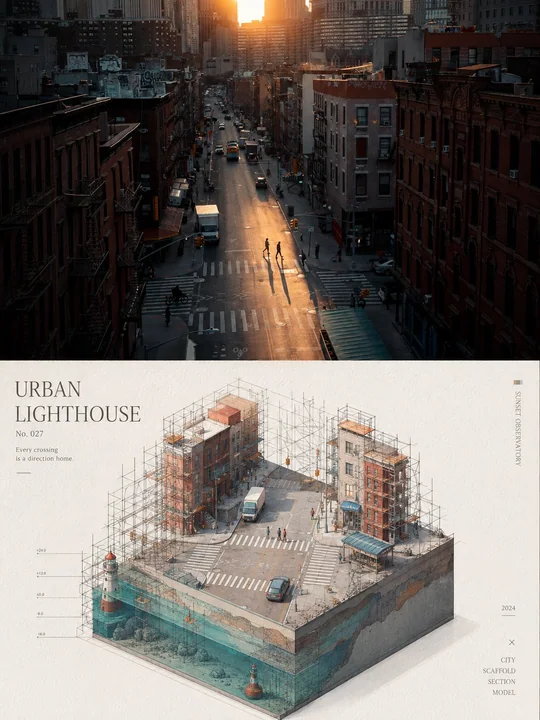
بوستر فني لمناظر معمارية مصغّرة بأسلوب بسيط للغاية، يبرز هياكل السقالات
Prompt
يرجى معالجة كل صورة أرفعها كملصق تصميم مستقل فاخر، دون دمج صور متعددة، مع إخراج كل صورة على حدة. يعتمد التكوين العام على تنسيق عمودي بنسبة 3:4، حيث تكون المنطقة العلوية والسفلية متساويتين في الارتفاع بنسبة 1:1، ويشغل كل منهما 50% من الإطار.

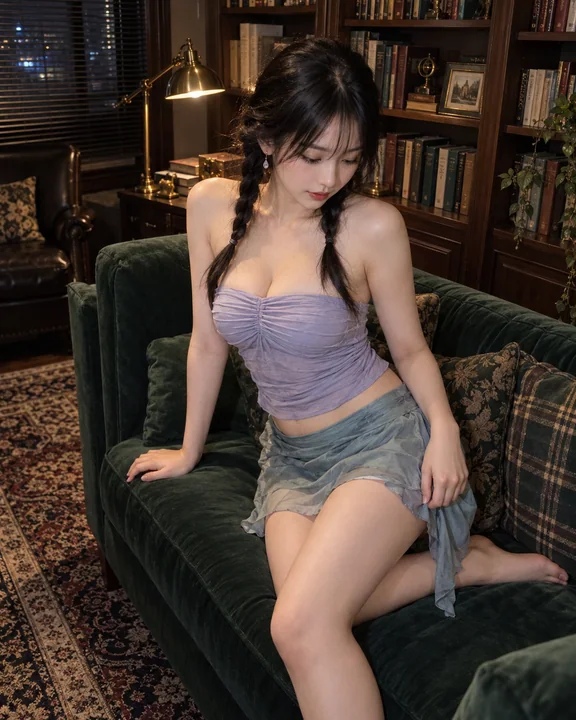
تحتفظ النصف العلوي بالصورة الأصلية، مع الحفاظ على هوية الموضوع، وهيكله، ووضعه، وملمسه الواقعي، وإضاءته الطبيعية، وأجواء لونه الأصلية، مع تطبيق تدرج لوني خفيف فاخر فقط لمنحه ملمس مجلة فنية، أو منشور مستقل، أو صورة معرض. ولتكييف الصورة مع الإطار، يمكن تمديد الخلفية البيئية بشكل طبيعي، لكن يجب ألا يتم مد الموضوع أو تشويهه أو تغييره.

يستخرج النصف السفلي أكثر ملامح الموضوع في الصورة قابليةً للتعرف عليها، وهي الهيكل، والوضعية، والعلاقة السردية، ويعيد بنائها كمجموعة من صور الفن البسيط بأسلوب المناظر الطبيعية المعمارية المصغرة ثلاثية الأبعاد: تُعرض من منظور متساوي القياس / تكوين مكعب مقطوع / منظور رفرف قاري تحت الماء. يبدو الموضوع كمشهد مصغر ثلاثي الأبعاد مفصول، مع منظور متساوٍ القياس صحيح وطبقات مكانية واضحة. تعتمد الدلالات الأساسية الإجمالية على مشهد منارة مصغرة، ويمكن ترجمته بمرونة وفقًا لخصائص الموضوع الأصلي، لكن يجب الحفاظ على هوية قابلة للتعرف عليها فورًا والعلاقات السردية الأصلية.

ليس النصف السفلي رسمًا واقعيًا، بل تعبيرًا مجردًا يضغط الموضوع إلى أشكال هندسية بسيطة، وكتل لونية مسطحة، وخطوط رفيعة، ومساحات بيضاء؛ مع الاحتفاظ بتفاصيل هيكلية غنية باعتدال على أساس البساطة، مما يمنح الصورة إحساسًا بالرسم المعماري التوضيحي وإحساسًا بملصق فني في آن واحد. يجب أن يبدو الموضوع كنموذج مصغر ثلاثي الأبعاد موضوع على ورق أبيض ذو ملمس، مع جودة رسم معماري يدوي: خطوط دقيقة، طبقات واضحة، تفاصيل مدروسة ودقيقة، مع تجنب الرسم الواقعي الثقيل.

أدخل منطقًا واضحًا للسقالات في الصورة، مع الإشارة إلى الصور التي قدمتها: السقالات ليست زخرفة عشوائية، بل يجب أن تعمل كنظام عقلاني لتغليف، أو دعم، أو بناء، أو تدخل في هيكل الموضوع، لتشكل مع الموضوع ترتيبًا مكانيًا. يمكن أن تتكون السقالات من مكونات أفقية وعمودية كثيفة مع عقد اتصال محلية، تتفتح حول الحافة الخارجية للموضوع، أو الانتقالات الرئيسية، أو المقاطع ثلاثية الأبعاد، معبرين عن إحساس "يتم بناؤه، أو إصلاحه، أو مسحته، أو عرضه"؛ يجب أن يكون المنظور دقيقًا، والعلاقات المنظورية واضحة، دون رسمه ككولاج عائم.

يحتفظ التكوين بتوسيط الموضوع، وتوازن الصورة، وترتيب مدروس، مع تعزيز الإحساس بالمكان من خلال عدد قليل من الخطوط الأفقية، وخطوط التكوين العمودية، وعناصر دائرية، أو حدود مقاطع. يستخدم الخلفية ورقًا أبيضًا ذا ملمس أو ورقًا أبيض مصفرًا فاتحًا جدًا، نظيفًا وهادئًا، بدون ظلال أو بطبقات هيكلية ضعيفة جدًا فقط، مع تجنب الإسقاطات الثقيلة. احتفظ بمساحات بيضاء كبيرة للسماح للموضوع بالظهور معلقًا في تخطيط كتالوج معرض أو ملصق بحث معماري.

تستوحي مخطط الألوان من الصورة أعلاه، لكنها تحتاج إلى إعادة معالجتها إلى لوحة ألوان فاخرة أكثر إشراقًا ووضوحًا وشفافية وحيوية، بدلاً من نسخ قيم الألوان الأصلية مباشرة. بعد الاحتفاظ بإشارات تدرج الألوان في الصورة الأصلية، قم بزيادة الإضاءة والتنقية وإزالة درجات الرمادي باعتدال لجعل الألوان أكثر حيوية وخفة؛ يمكن تكوين علاقات لونية شاملة ناعمة ومشرقة مثل الأزرق الصافي، والأخضر البحري، والأخضر الطري، والأصفر الساطع، والبرتقالي المرجاني، والوردي الخوخ، والبنفسجي الفاتح، مع إنشاء طبقات راقية من خلال التباين بين الدفء والبرودة وإيقاع السطوع. تجنب الألوان الرمادية/المغبشة، والكئيبة، والقديمة، وأسلوب موراندي، والألوان الحلوية الرخيصة، والإحساس البلاستيكي.

يمكن للتدخل النصي أن يكون بسيطًا، بإضافة عناوين إنجليزية موجزة، أو أرقام تسلسلية، أو سنوات، لتكوين علاقة تشكيلية طبيعية مع الموضوع، أو السقالات، أو المساحات البيضاء. يجب أن يكون النص راقياً، وعصرياً، ومدروساً، مثل التعليقات التحريرية في استوديوهات التصميم الدولية، وملصقات العمارة، وملصقات المعارض الفنية، وأنظمة الهوية البصرية للعلامات التجارية الفاخرة، دون أن يطغى على الموضوع.

يعرض الأسلوب العام تأثيرًا بصريًا فاخرًا، وعصرياً، وأنيقاً، ومدروساً، وفنياً، يدمج بين المناظر الطبيعية المصغرة ثلاثية الأبعاد، والمقاطع المعمارية، والمنظور المتساوي القياس، وأنظمة السقالات، وتخطيطات الملصقات البسيطة. تجنب المرشحات المفرطة، والملمس البلاستيكي الرخيص، والإحساس الكرتوني، والإحساس القوي بالتوليد الحاسوبي، والتأثيرات القالبية، والمنظورات الخاطئة، والبنى الزخرفية غير المنطقية.