Case 25774
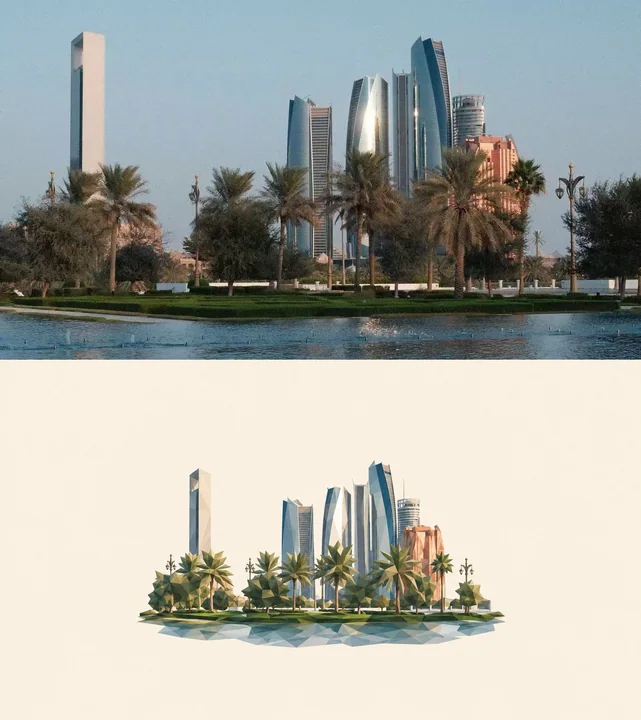
تحويل إلى أسلوب رسوم توضيحية تحريرية بأسلوب منخفض المضلعات
Prompt
حوّل الصورة الحقيقية المرفوعة إلى رسم توضيحي تحريري بسيط بأسلوب منخفض المضلعات.

استخدم الصورة الأصلية كمصدر بصري.

احتفظ بإخلاص بما يلي:
- الموضوع الرئيسي
- الوضعية والإيماءة
- اتجاه الجسم
- الملابس
- الإكسسوارات المهمة
- الأشياء الرئيسية
- المنظور
- علاقات المشهد المعروفة

لا تعيد تصميم المشهد.
لا تخترع تكوينًا جديدًا.
لا تضيف عناصر غير ذات صلة.

النمط

حوّل الصورة إلى رسم توضيحي ثنائي الأبعاد نظيف بأسلوب منخفض المضلعات.

استخدم:
- مستويات هندسية مضلعة متوسطة إلى كبيرة
- أشكال زاوية واسعة
- إضاءة وظلال مبسطة ذات أوجه
- حواف نظيفة
- تفاصيل مقيّدة
- ألوان طبيعية خافتة

تجنب المثلثات الصغيرة المفرطة.

يجب أن يعطي النتيجة إحساسًا:
بالبساطة،
والهدوء،
والرقي،
والطابع التحريري،
والطابع الرسومي،
والأناقة.

الأقل هو الأكثر.

التكوين

أنشئ مشهدًا مصوّرًا مدمجًا يطفو في المركز الدقيق لصفحة فارغة كبيرة.

ضع المشهد بأكمله بدقة في المركز أفقيًا وعموديًا.

يجب أن يشغل المشهد المصوّر حوالي 35–50% فقط من إجمالي ارتفاع الصفحة.

اترك مساحة فارغة كبيرة جدًا بشكل متساوٍ حول جميع الجهات الأربع.

لا تملأ الإطار.
لا تقصّ بإحكام حول الموضوع.
لا تحرك المشهد إلى الأعلى، أو الأسفل، أو اليسار، أو اليمين.

يجب أن يبدو المشهد كأنه عينة بصرية صغيرة معروضة في مركز صفحة تحريرية كبيرة.

الخلفية

استخدم لون خلفية صلبًا تمامًا:

#F4EBDD

يجب أن تبقى الخلفية نظيفة، مسطحة، موحدة، وفارغة.

بدون ملمس.
بدون حبيبات ورقية.
بدون تدرج لوني.
بدون تظليل حواف.
بدون عناصر زخرفية.
بدون ظلال خلفية.

نسبة العرض إلى الارتفاع

طابق نسبة عرض الصفحة إلى ارتفاعها مع الصورة المرفوعة قدر الإمكان.

احتفظ باتجاه الصورة الأصلية وعلاقة العرض إلى الارتفاع الإجمالية.

صورة أفقية → مخرجات أفقية.
صورة عمودية → مخرجات عمودية.
صورة مربعة أو شبه مربعة → مخرجات مربعة أو شبه مربعة.

لا تفرض على الصورة المصدرية نسبة عرض إلى ارتفاع محددة مسبقًا.

تبسيط المشهد

احتفظ فقط بالمعلومات البصرية اللازمة للتعرف على الصورة الأصلية.

بسّط التفاصيل الثانوية.

اجمع:
- المباني
- الأشجار
- النباتات
- الماء
- الأثاث
- العمارة
- المناظر الطبيعية
- طيات الملابس
- الانعكاسات

في كتل هندسية أكبر.

لا تعيد إنتاج كل تفصيلة صغيرة.

يجب أن تنتهي الحافة الخارجية للمشهد المصوّر بشكل طبيعي بظل خارجي غير منتظم.

لا تحتفظ بحدود الصورة المستطيلة الأصلية داخل الصفحة.

اللون

احتفظ بالهوية اللونية العامة للصورة الأصلية.

قلّصها إلى لوحة ألوان مضبوطة ومعتدلة قليلًا.

اجعل الألوان طبيعية، خافتة، دافئة، وراقية.

الإضاءة

احتفظ باتجاه الإضاءة الأصلي والمزاج العام.

حوّل الإضاءة الواقعية إلى مستويات لونية هندسية مبسطة.

المظهر النهائي

رسم توضيحي تحريري بسيط بأسلوب منخفض المضلعات.
مساحة سلبية كبيرة.
مشهد صغير في المنتصف.
خلفية صلبة بلون #F4EBDD.
أوجه هندسية مضبوطة.
حدود مشهد طبيعية غير منتظمة.
تعرّف واضح على الموضوع.
تبسيط بصري أنيق.
الأقل هو الأكثر.

تجنب

الرسم التوضيحي الكامل للإطار،
الخلفية المزدحمة،
الواقعية،
التصيير ثلاثي الأبعاد،
CGI،
النمط الكرتوني،
الأنمي،
الرسم التوضيحي للأطفال،
الحواف السميكة،
الإفراط في المثلثات الصغيرة،
المضلعات المفرطة في التجزئة،
الملمس المعقد،
ملمس الورق،
الحبيبات،
التدرجات اللونية في الخلفية،
الإضاءة الدرامية،
الألوان النيون،
الألوان شديدة التشبع،
الرسومات الزخرفية،
النص،
الطباعة،
الحدود،
الإطارات.
مطالب أخرى
Case 16198
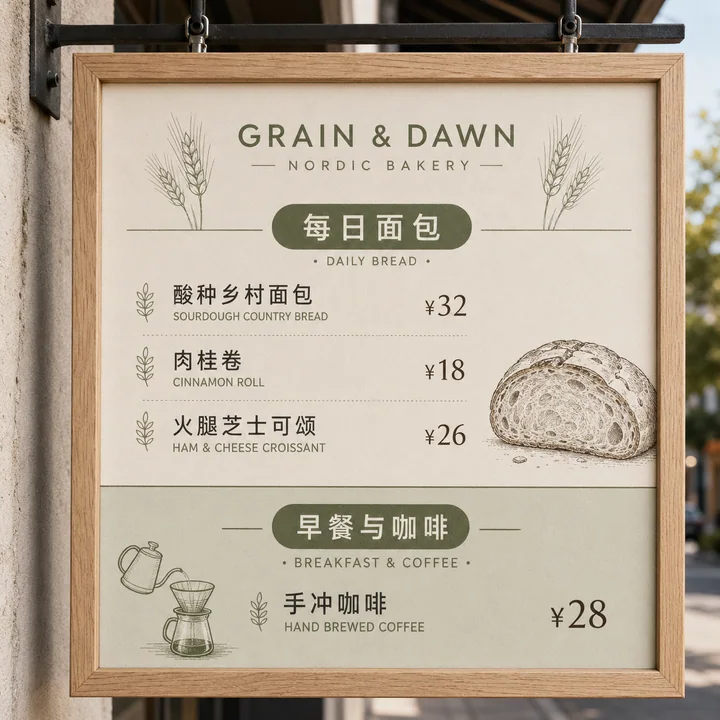
تصميم قائمة معلقة بسيطة لمتجر مخبوزات بأسلوب نورد
极简主义北欧风平面设计菜单板烘焙店
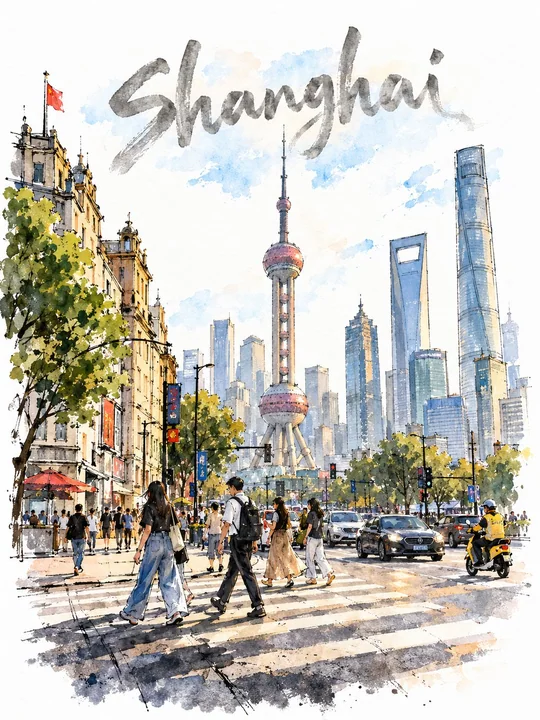
Case 26063
كلمات مفتاحية لرسمة مائية سريعة لمفترق طرق مزدحم في المدينة
أنشئ لوحة مائية بأسلوب الرسم الحضري السريع (Urban Sketch) لشارع مزدحم عند تقاطع في {CITY}، بتناسب عرض إلى ارتفاع 3:4، على ورق بارد الضغط (Cold-press) أبيض ساطع نقي مع ملمس ظاهر. لا تستخدم ألوان الكريمة، البيج، السيبيا، أو أي صبغة عتيقة. ال