東洋の古物、モダンなレイアウトの文化ポスターテンプレート
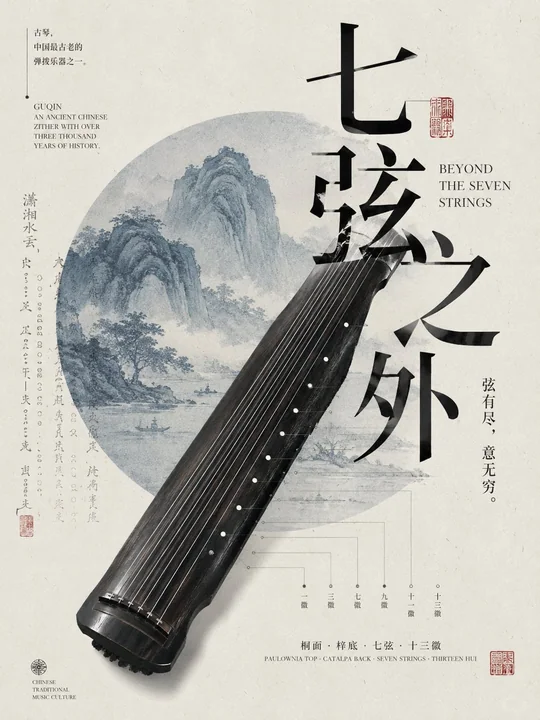
Prompt
【テーマ】:{東洋文化/古物テーマを記入}
【コア古物】:{古琴/漆器/銅鏡/組子(スンマオ)/磁器/青銅器など}
【中国語メインタイトル】:{意味のあるテーマタイトルを記入}
【補助文化的要素】:{文様/山水/構造図/拓本/古画の局所など}
【メインカラーパレット】:{宣紙白+1〜2つの伝統的な低彩度色}
【アクセントカラー】:{朱砂赤/鉱物青/青銅緑など}
【アスペクト比】:{3:4/4:5/9:16}

東洋古物テーマの現代文化ポスターを生成し、伝統的な器物と現代的なエディトリアルレイアウトを融合させる。

【コア古物】を絶対的なメインビジュアルとし、大スケールで拡大して画面の約40%〜65%を占める。フレームの端から切り込む、または局所的にフレーム外へはみ出すことを許可し、完全な表示は必須としない。不完全なクロップ、比率の対比、そして大面積の余白を通じて強いビジュアルフォーカスを確立し、一般的な中央配置の展示型構図を避ける。

主体の周りに、【テーマ】と直接関連する【補助文化的要素】を少量追加する。文様の拡大、古画のクロップ、山水の幾何学、拓本、構造線画、または局所的なディテールを使用でき、円形、半円、開放的なカラーブロック、細線、余白を通じて再構成し、現代的かつ抑制されたビジュアル階層を形成する。

中国語メインタイトルは、大きな宋体、現代的な中国語フォント、またはわずかな書道感を帯びたフォントを使用し、テキスト自体を構図の一部とする。古物との間で重なり、交差、またはクロップの関係を持たせることも可能である。少量の英語セリフ体フォント、小型の文化的説明、器物情報、または構造注釈を組み合わせ、「大タイトル—補助情報—微小注釈」の3段階タイポグラフィを形成する。

全体レイアウトは非対称のエディトリアルスタイルを採用し、要素を均等に配置しない。背景は清潔な宣紙白または象牙白を維持し、わずかな紙の繊維、古書印刷、または版画の粒子質感を含めるが、全体的に黄ばみ、過度な経年劣化、または汚れが目立つようにしない。

色彩は低彩度の東洋伝統色を主とし、ビジュアルアンカーとして1つの強いアクセントカラーのみを残す。画像内のすべてのテキストは実在し、意味があり、テーマに関連していなければならず、ランダムな英語や意味のないプレースホルダー文字を使用しない。

全体的な効果は、現代の博物館展示ビジュアル、文化芸術出版物、またはハイエンドな文化クリエイティブポスターのようである:伝統的な内容は明確だが、レイアウトは現代的で、抑制されており、デザイン感がある。他のプロンプト
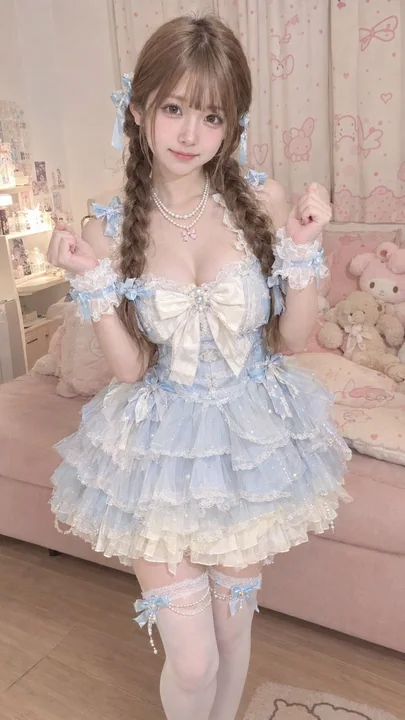
日系超写实少女Lolita生活写真
Generate a photorealistic Japanese real-life Cosplay lifestyle photo, 9:16 vertical composition, showcasing a gentle, sweet, pure, and dreamy Japanese girl atmosphere, incorporating light blue Lolita, cream-colored lace, pearl accessories,
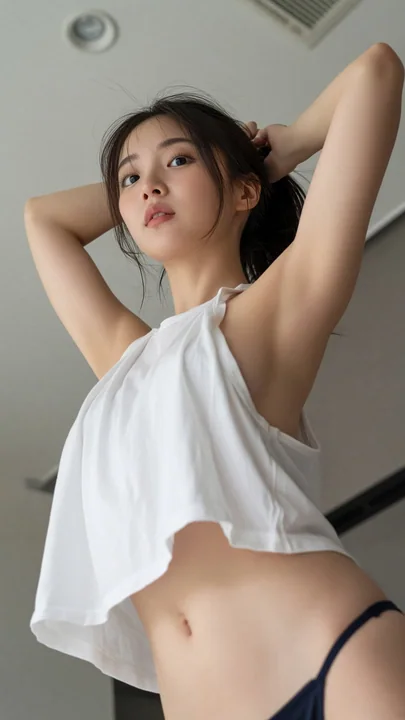
可爱日本女性猫咪视角杂志肖像
Cute Japanese woman 22 years old, oval face, large double eyelids. Loose crop top T-shirt, loose neckline, minimalist underwear. Hands tying hair behind head. Cat's eye view from bottom to top. Women's magazine portrait, realistic like a ph
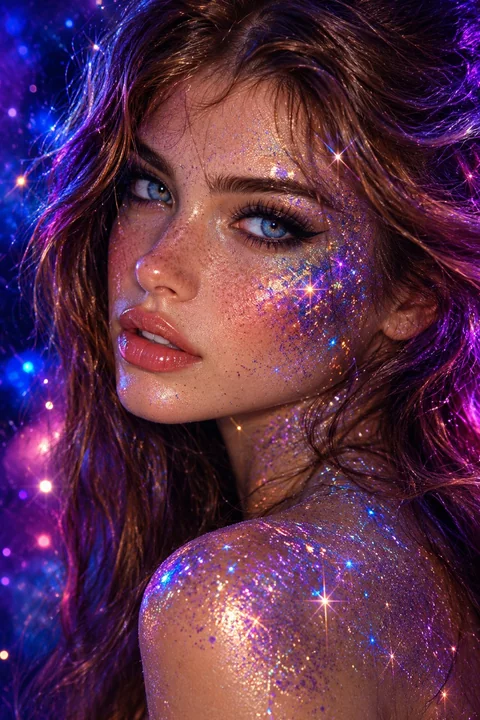
星际璀璨闪粉妆容女性肖像
Glamorous close-up beauty portrait of a young woman with long, voluminous, wavy auburn-brown hair with purple and magenta rim light, her head tilted slightly with an intense, direct gaze at the camera. Vivid, piercing sapphire-blue eyes wit
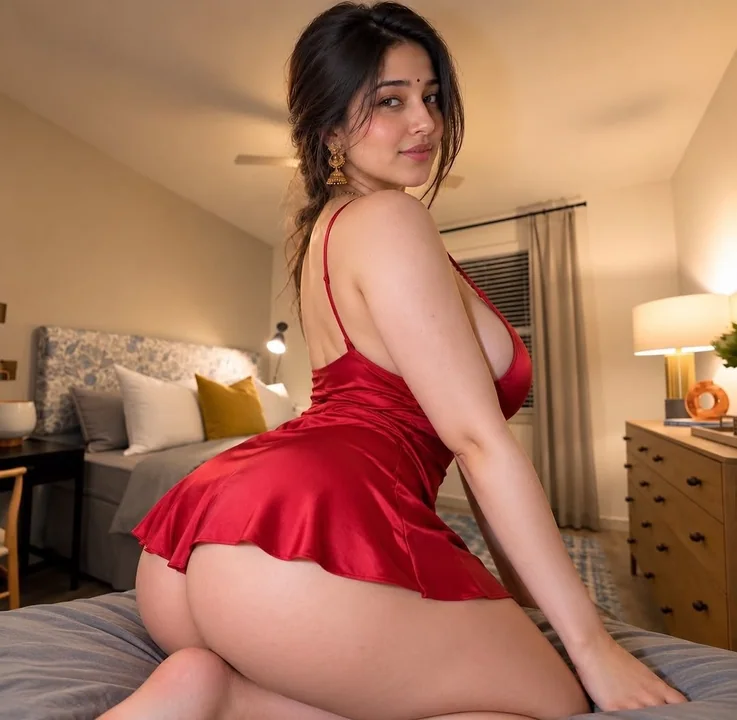
红色缎面裙印度女性卧室生活人像
Ultra-realistic lifestyle portrait of a beautiful adult Indian woman with long, dark brown hair styled in a loose, messy low bun with soft strands framing her face, expressive brown eyes, a tiny black bindi, natural glowing skin, soft pink
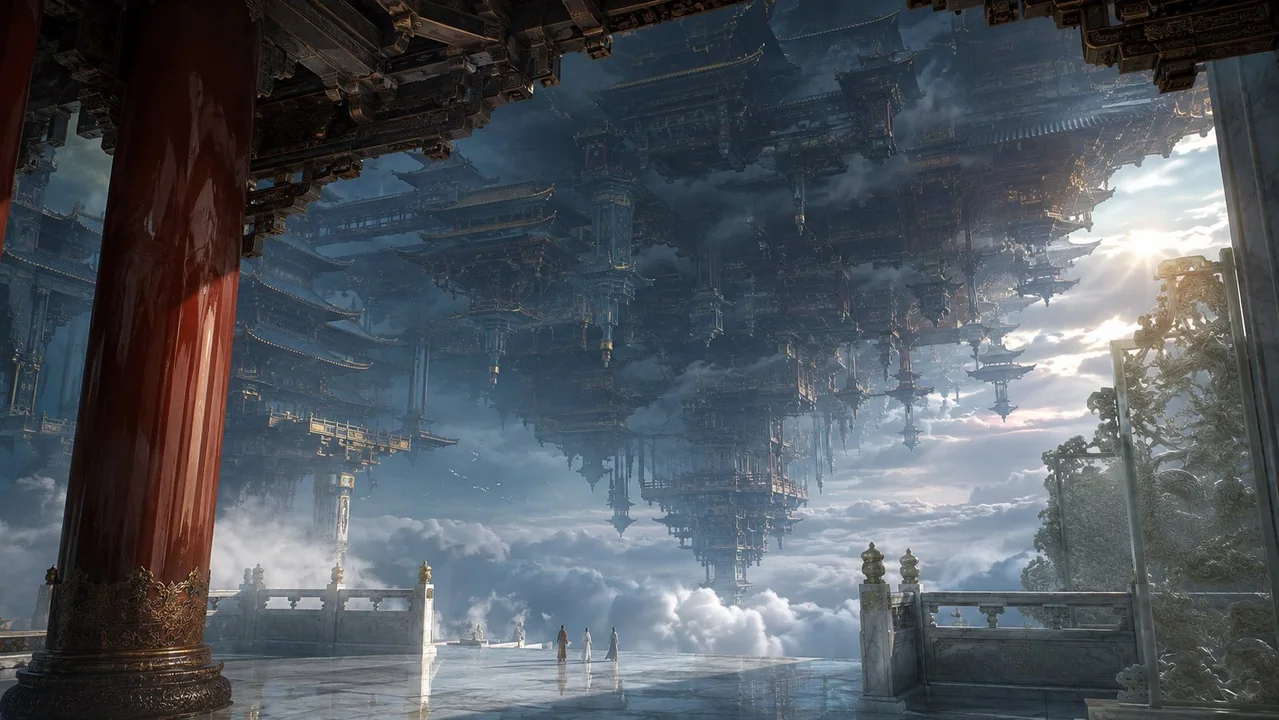
東に逆さ吊りにされた、超巨大スケールの仙界の宮殿
16:9 横向电影画幅,东方仙界超尺度环境场景,精致的电影级哑光绘画,照片级写实奇幻环境,灰蓝暮霭风格。一个悬浮于无尽云海之上的东方神界建筑文明,建筑尺度接近地质地貌。整张画面只围绕一个主空间命题:一整座倒悬于天空之上的巨大皇家天阙,其下部像覆盖天空的人工山脉般从高空垂落。摄影机真实站在一座高空白玉露台内部,人眼高度约 1.4 米,35mm 环境镜头,平视略微仰拍。不要航拍,不要鸟瞰。近景左侧由一根异常巨大的深朱红漆柱、油润深木梁架和压入画面顶部的墨青重檐构成强烈遮挡,柱体与
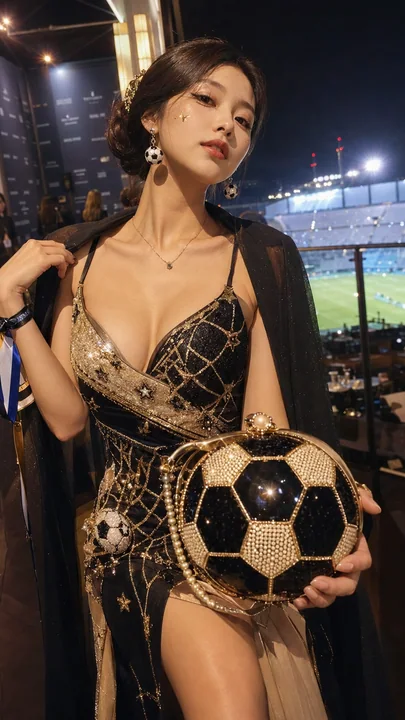
緑の芝生の上の祭典:シャンパンゴールドとサッカーのトーテムが見事に出会う
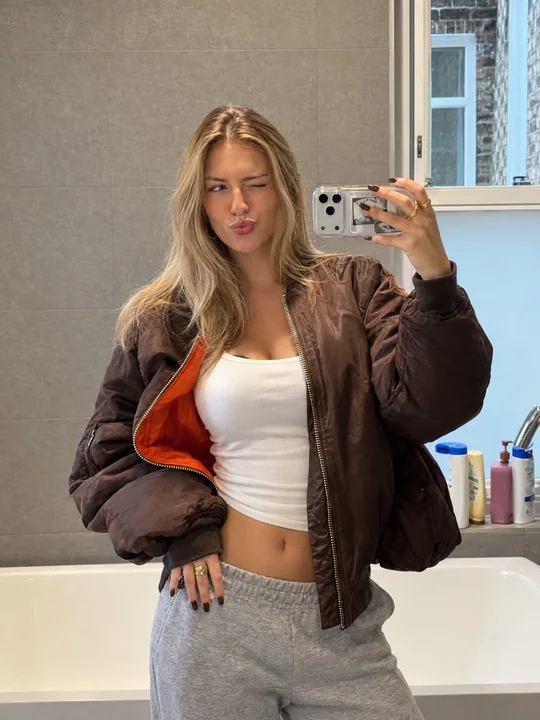
现代浴室金发美女超写实镜面自拍
Ultra-realistic mirror selfie of a beautiful young blonde woman in a modern, elegant bathroom. She has long, naturally flowing golden-blonde hair with a soft middle part, glowing natural skin, delicate facial features, full glossy lips, and
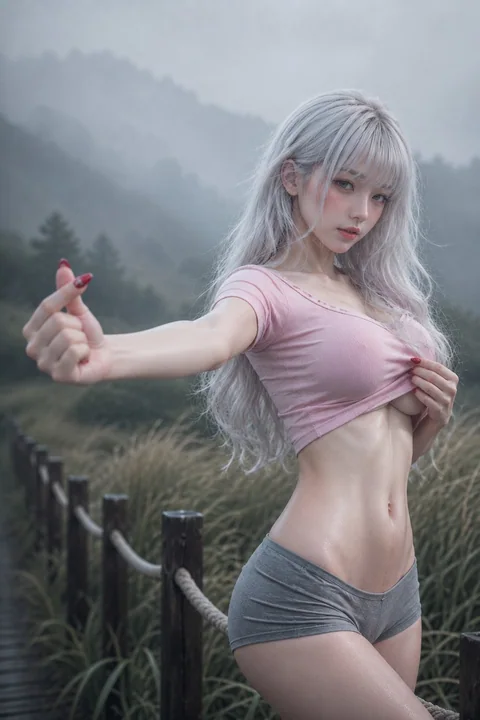
銀髪の東アジア人女性が霧に包まれた山間で手をハート型にしてポーズを取るポートレート
二十出头苗条的年轻东亚女性,拥有精致的五官和白皙如瓷的肌肤,冷酷表情,大而黑的杏仁眼侧视带着诱人的纯真目光,头部轻轻倾斜,双颊泛红,带着自信的魅力,长长的银白丰盈波浪发倾泻过肩,直刘海遮住额头,光泽的发丝被风吹乱,带着自然的亮泽。 四分之三姿势,臀部微翘,左手提起露脐装下摆露出腹部和下半胸部,右臂伸展,手掌单手比心,手部采用精致高级红色主题美甲。 紧身的粉色露脐装被拉起展示紧实的腹肌和肚脐,低腰灰色瑜伽短裤低低挂在臀部,面料紧贴丰满的胸部和腰身,光滑白皙如瓷的肌肤,裸露的腹部
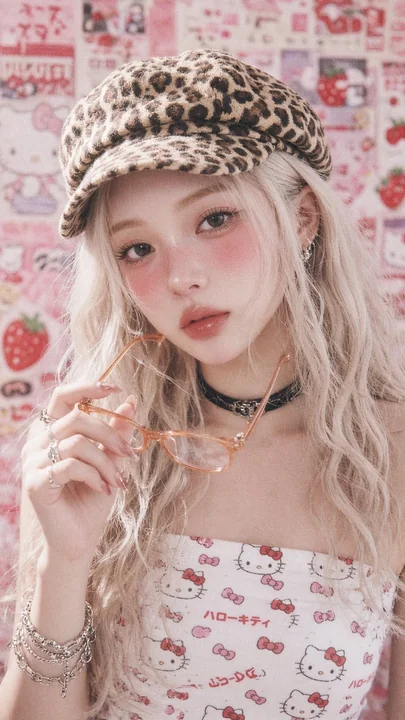
東アジアの金髪の少女、レオパード柄の帽子、フィルム風の画報
20代前半の若い東アジア人女性のフォトリアリスティックなクローズアップポートレート。長いウェーブのプラチナブロンドヘア、柔らかな顔立ち、長いまつげを備えた大きな鹿のような瞳、頬に厚めに塗られたピンクのチーク、光沢のあるブラウンピンクのリップ、わずかにぷくっとした表情。頭にはレオパード柄のニュースボーイキャップを斜めに被っている。右手で顔の近くを指し、細いオレンジ色のフレームの眼鏡を持ち、長いマニキュアが施された爪が特徴。白いストラップレスタブトップスを着用し、繰り返されるハロ