东方古物现代版式文化海报模板
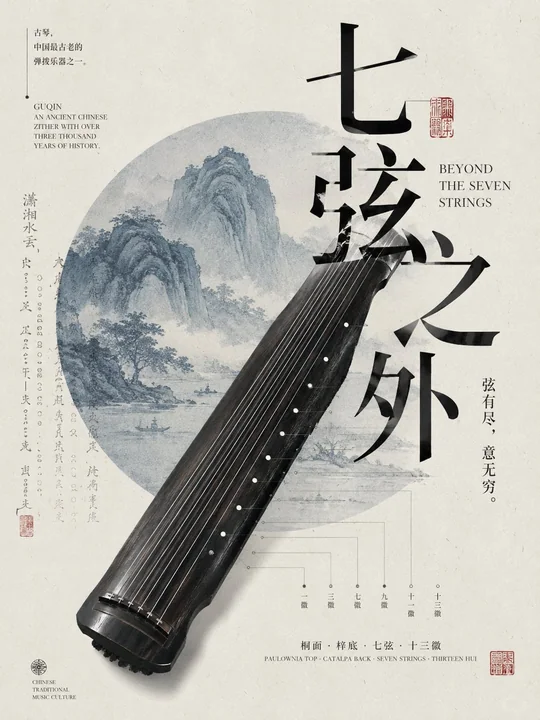
Prompt
【主题】:{填写东方文化 / 古物主题}
【核心古物】:{古琴 / 漆器 / 铜镜 / 榫卯 / 瓷器 / 青铜器等}
【中文主标题】:{填写有意义的主题标题}
【辅助文化元素】:{纹样 / 山水 / 结构图 / 拓片 / 古画局部等}
【主色调】:{宣纸白 + 1–2 种传统低饱和色}
【强调色】:{朱砂红 / 矿物蓝 / 青铜绿等}
【画幅比例】:{3:4 / 4:5 / 9:16}

生成一张东方古物主题的现代文化海报,将传统器物与当代编辑版式结合。

把【核心古物】作为绝对主视觉,大尺度放大,占画面约 40%–65%,允许从画面边缘切入、局部超出画幅,不必完整展示。通过不完整裁切、比例反差和大面积留白建立强视觉重心,避免普通的居中陈列式构图。

围绕主体加入少量与【主题】直接相关的【辅助文化元素】,可使用纹样放大、古画裁切、山水几何、拓片、结构线稿或局部细节,并通过圆形、半圆、开放色块、细线和留白重新组织,形成现代而克制的视觉层次。

中文主标题使用较大的宋体、现代中文字体或带少量书写感的字体,使文字本身成为构图的一部分,可与古物产生遮挡、穿插或裁切关系。搭配少量英文 Serif 字体、小型文化说明、器物信息或结构标注,形成“大标题—辅助信息—微型注释”三级排版。

整体采用非对称编辑式布局,不平均摆放元素。背景保持干净的宣纸白或象牙白,带轻微纸张纤维、古籍印刷或版画颗粒质感,但不要整体发黄、做旧过度或显得脏。

色彩以低饱和东方传统色为主,只保留一个较强的强调色作为视觉锚点。所有画面文字必须真实、有意义,并与主题相关,不使用随机英文或无意义占位字符。

整体效果像现代博物馆展览视觉、文化艺术出版物或精品文创海报:传统内容明确,但版式现代、克制、有设计感。更多提示词

城市流行落日暖调复古六格照相亭
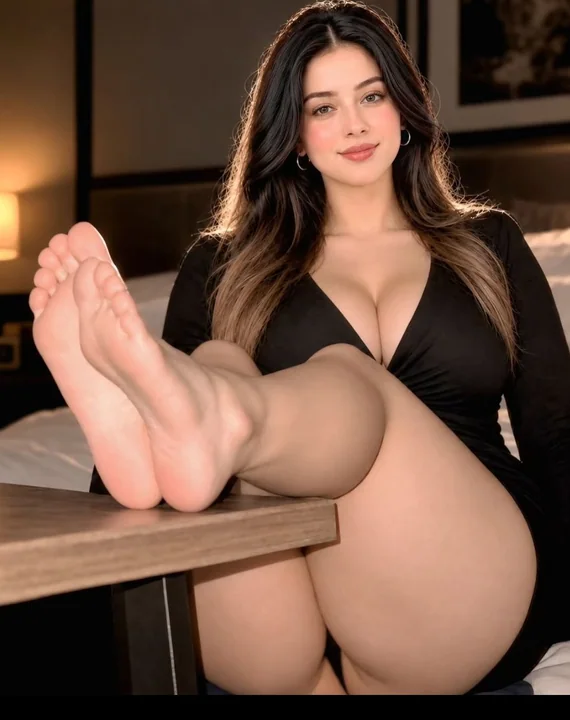
豪华卧室中穿黑色长裙的长发女性肖像
Ultra-realistic portrait of an adult woman with long, flowing dark brown hair and subtle highlights, wearing an elegant black long-sleeved dress. She is sitting comfortably on a bed in a warm, luxurious bedroom, with her legs resting on a w
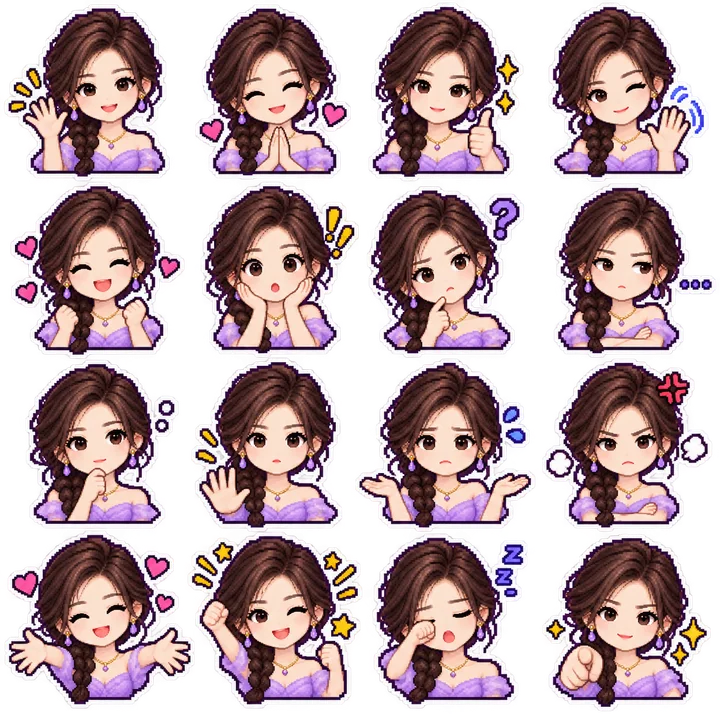
像素级真身复刻:十六格硬边头像贴纸
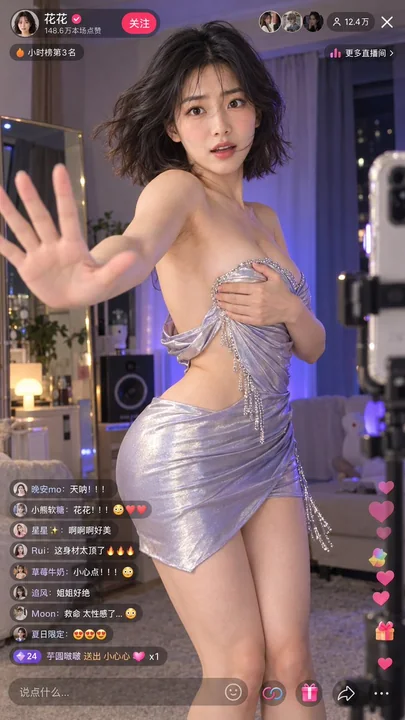
居家抖音舞蹈直播裙装意外滑落瞬间
Character Reference: Strictly reference the female facial features and body proportions in Figure 1. Diverse dynamic bangs and hairstyle states consistent with physical effects (must not be identical to the hair and bangs in the original Fi
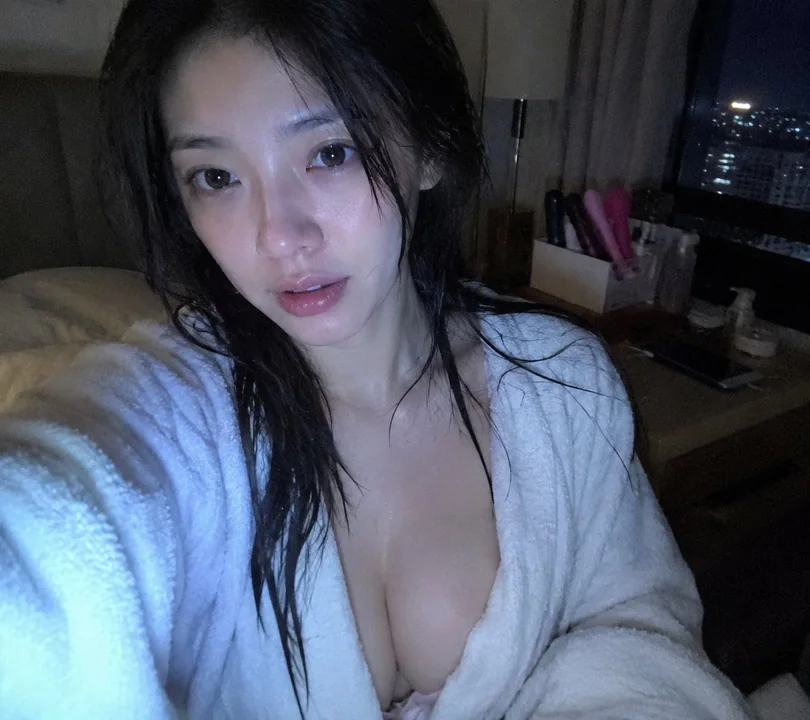
28岁东亚女性深夜浴袍慵懒自拍
28-year-old adult East Asian female, exquisite oval face, slender almond eyes, full slightly parted lips, fair and translucent skin, mature plump and coordinated figure, black messy wet hair, a few strands of hair clinging to cheeks and col
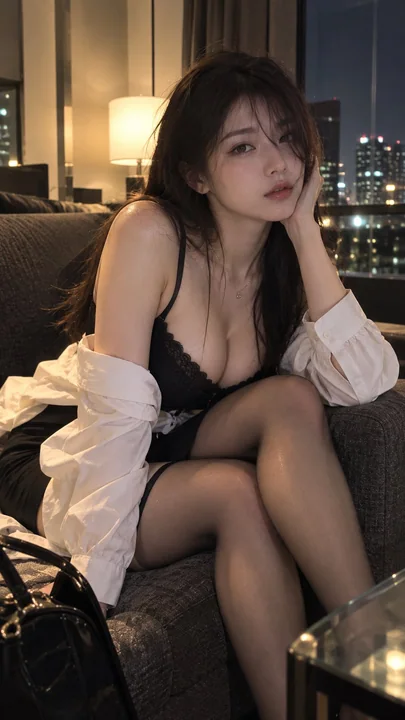
午夜高级公寓东亚女性时尚摄影
9:16 vertical, 8K ultra-high-definition real photography, adult fashion magazine cover quality, combination of real mobile phone snapshot and cinematic lighting. Subject: A 27-year-old adult East Asian woman, dark tea-colored long hair nat
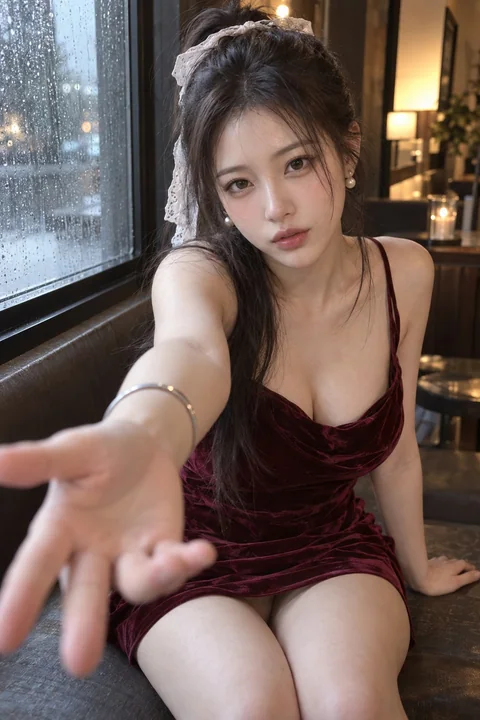
雨落窗前伸出的手与深红丝绒裙
Theme: Window by the rain, she reaches out Subject: 20-something East Asian adult female, mature and sophisticated atmosphere, sitting shallowly on a bench by a window with raindrops sliding down, body slanted toward the camera, knees toget
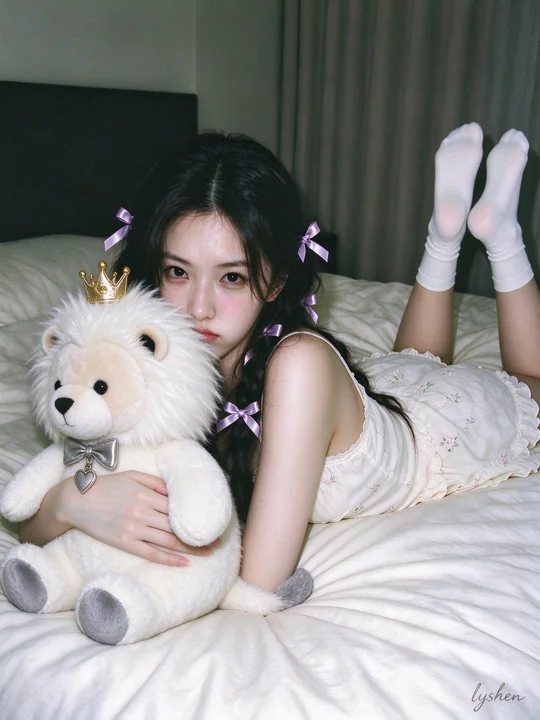
卧室直闪复古数码人像东亚女性
3:4 vertical bedroom direct-flash portrait. A young adult East Asian woman lies prone on a creamy-white bed, her body extending from the middle of the frame toward the back right, her upper body gently propped up, both arms hugging a purple