Case 26582
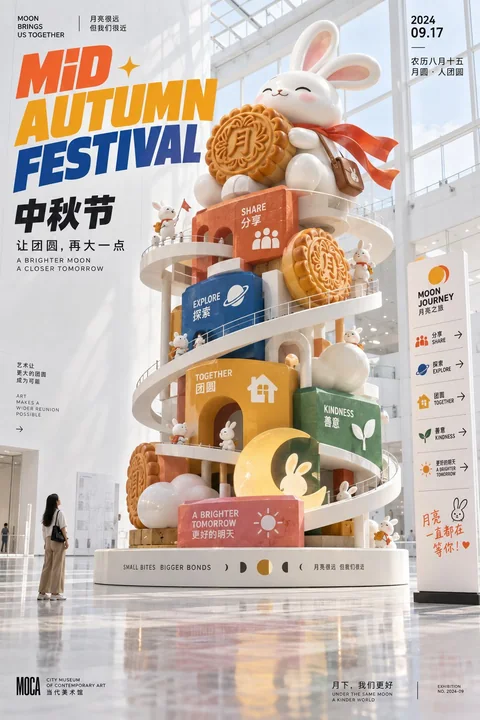
全白美术馆中庭中秋纪念碑装置海报
Prompt
In a tall, nearly all-white museum atrium, take a photo of an exhibition poster: a monumental installation stands on a circular platform, several oversized everyday objects are misaligned and stacked into a building, and a white spiral ramp wraps around it, turning the still life into a walkable path. A life-sized visitor stands on the polished floor looking up at it, using their body to prove this is the scale of an exhibition hall, not a studio tabletop piece. A smooth giant character sits on top of the installation, with its hat, scarf, and bag all being volumetric clothing blocks; smaller versions of the same character are dotted along the ramps and in the gaps between layers, as if people are already climbing. On the right stands a corresponding directional sign, making the same set of categories, icons, and arrows into a flat signpost, serving as a legend for the three-dimensional climbing.

The subject is photography or highly realistic three-dimensional visualization, not an illustration. The installation occupies real volume, receives window light from the upper side, casts shadows on the ground, and leaves softened color reflections on the polished stone. The characters are continuous toy shells with window light highlights. The stacked body consists of spray-colored geometric blocks with physical thickness and layer edges; the spiral consists of thin, hard white tubes, interspersed front and back to cut through the rectangular contours. Flat fonts are pasted on the image as a second layer, not entering perspective and not casting shadows on the building. The only hand-drawn part is a relaxed brush-written slogan, which can include a tiny character doodle.

The composition places the monument in the center-right, leaving the left third and the four corners for poster information. The main title is roughly at the same height as the character's head, conversing across a large area of white wall, never pressing onto the character or installation. The installation and the circular pedestal are fully included in the frame, while the walls and window frames are cropped to make the space appear larger than the poster. Each stacked layer is made into a color-block legend: a word plus a pictogram, slightly rotated and misaligned. The same set of high-saturation graphic colors forms a loop from the main title, the brush-writing, the directional sign, and the pedestal ring, locking the flat text and three-dimensional objects into one system.

The main title uses a large, compact, slightly slanted industrial bold font, with saturated color block-like stacking, having enough volume to compete with the characters. Below it is a smaller, regular explanatory sentence. The rest consists of institution names, numbers, dates, and a closing slogan in the corners, as well as label text on the objects. Text density is at the edges, leaving the center for the installation.

Almost all high-saturation colors are piled on the installation and then placed into a large area of cold white high-key space. The architecture is nearly achromatic. The characters are the lightest and warmest blocks; deeper cold-colored layers are interspersed in the middle, breaking up the warm-colored stacking so it reads as encoded layering rather than a clump of warm color. Ground reflections seat the colors into the space. Do not color the architecture, do not fill the entire scene with chroma, do not draw it as a character illustration poster, do not remove the scale figure and the spiral path, and do not let the title ride on the installation.

———————
Theme: Mid-Autumn Festival Poster
Protagonists: Jade Rabbit and Mooncake

在一座高挑、近乎全白的美术馆中庭里,拍一张展览海报:圆形展台上立着纪念碑式装置,几块超大日常物件错位叠成建筑,白色螺旋坡道缠绕其间,把静物变成可走的路径。一名真人比例的参观者站在抛光地面上仰望它,用身体证明这是展厅尺度,不是棚拍摆件。装置顶端坐着光滑的巨型角色,帽、巾、包都是体积化的服装块;更小的同款角色点缀在坡道和层隙里,像已经有人在攀登。右侧立一根对应的导视牌,把同一套分类、图标和箭头做成扁平路牌,与立体攀登互为图例。

主体是摄影或高度写实的三维可视化,不是插画。装置占据真实体积,接受侧上方窗光,投下地面阴影,并在抛光石材上留下柔化的彩色倒影。角色是连续的玩具壳体,带窗光高光。堆叠体是喷色几何块,有实体厚度和层缘;螺旋是细硬白管,前后穿插切断矩形轮廓。平面字体作为第二层贴在画面上,不进入透视,不在建筑上投阴影。唯一手绘是一处轻松的刷写标语,可带一个极小的角色涂鸦。

构图把纪念碑放在中偏右,左三分之一和四角留给海报信息。主标题与角色头部大致同高,隔着大片白墙对话,绝不压在角色或装置上。装置与圆形台座完整收入画面,墙体和窗框被裁切,让空间显得比海报更大。每层堆叠做成色块图例:一个词加一个象形符号,轻微旋转错位。同一套高饱和图形色从主标题、刷写、导视牌、台座环形成回路,把平面字和立体物锁成一套系统。

主标题用大号紧凑、略斜的工业粗体,饱和色块状堆叠,体量足以与角色抗衡。其下是小一号、规矩的说明句。其余是边角的机构名、编号、日期和一句收束口号,以及物体上的标签字。字密度在边缘,中心留给装置。

几乎全部高饱和色都堆在装置上,再放进大面积冷白高调空间。建筑近乎无彩。角色是最浅最暖的体块;中间穿插较深的冷色层,打断暖色堆叠,让它读作编码的层积而不是一团暖色。地面倒影把颜色坐进空间。不要给建筑上色,不要把全场铺满彩度,不要画成角色插画海报,不要去掉尺度人物和螺旋路径,不要让标题骑在装置上。

———————
主题: 中秋节海报
主角:玉兔和月饼
More prompts
Case 1
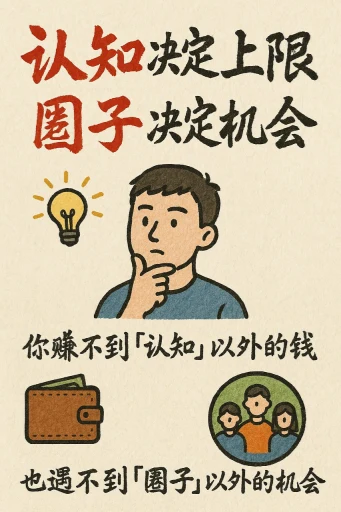
Hand-drawn style infographic card
Create a hand-drawn style infographic card with a 9:16 vertical aspect ratio. The card should have a clear theme, with a background of beige or off-white paper texture, and an overall design that conveys a rustic, warm hand-painted aestheti
illustrationtypographyportraitpaper-craftinfographic
Case 26629
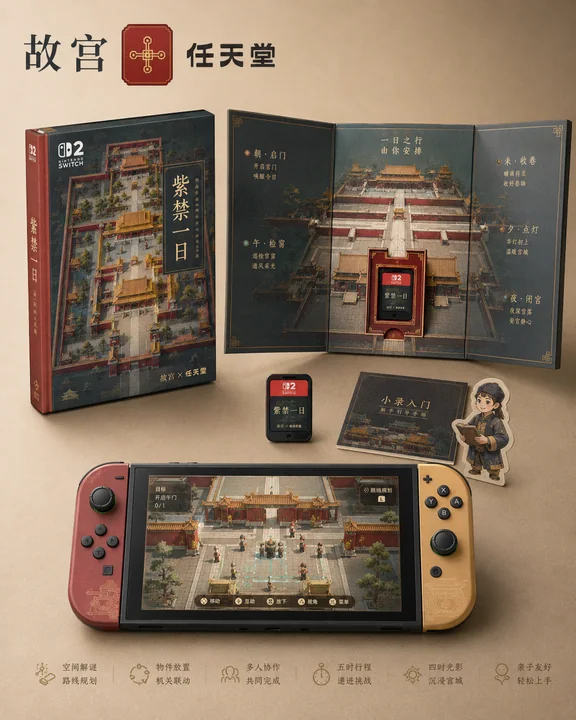
故宫任天堂联名Switch2游戏包装设计
包装故宫任天堂解谜游戏设计