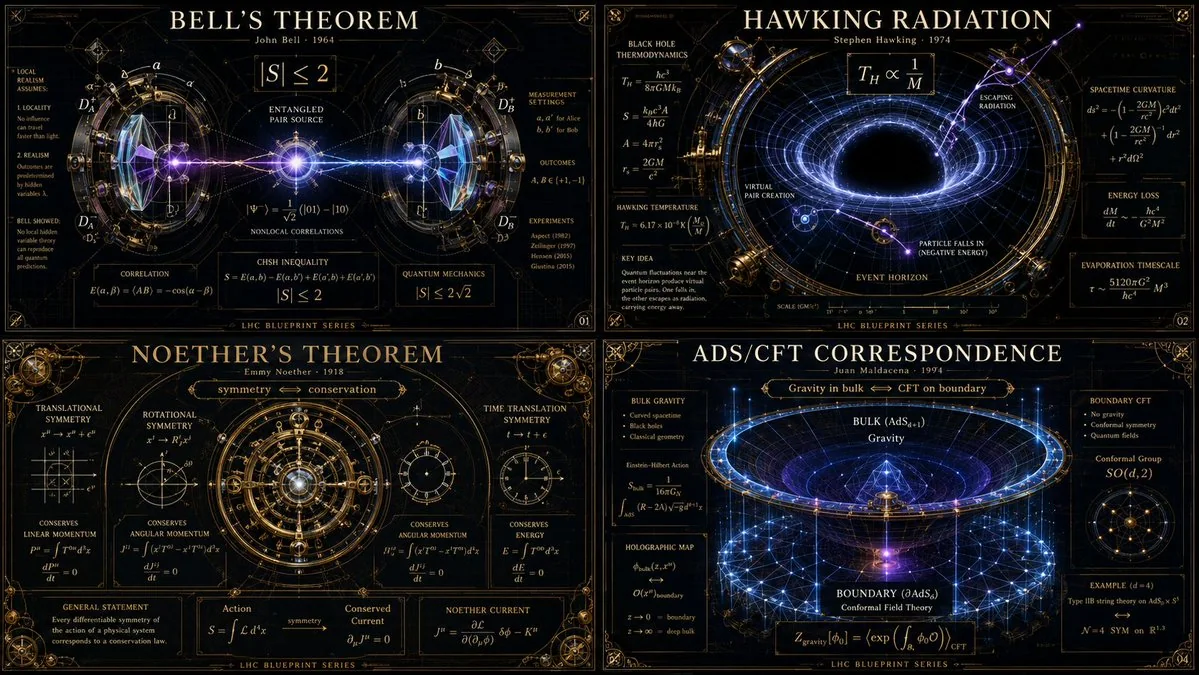
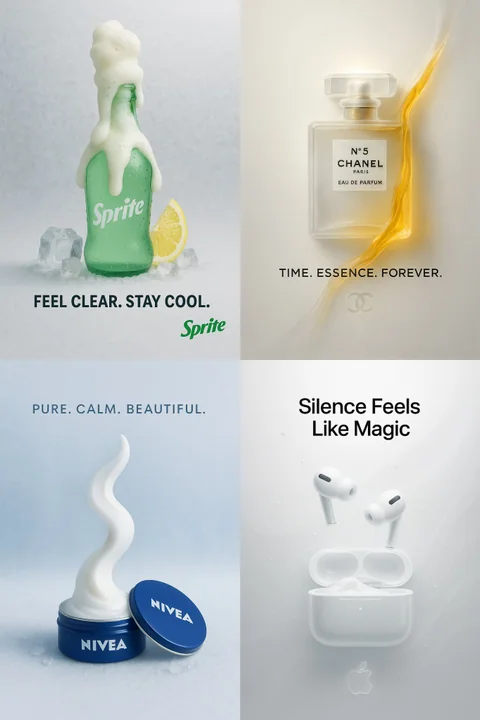
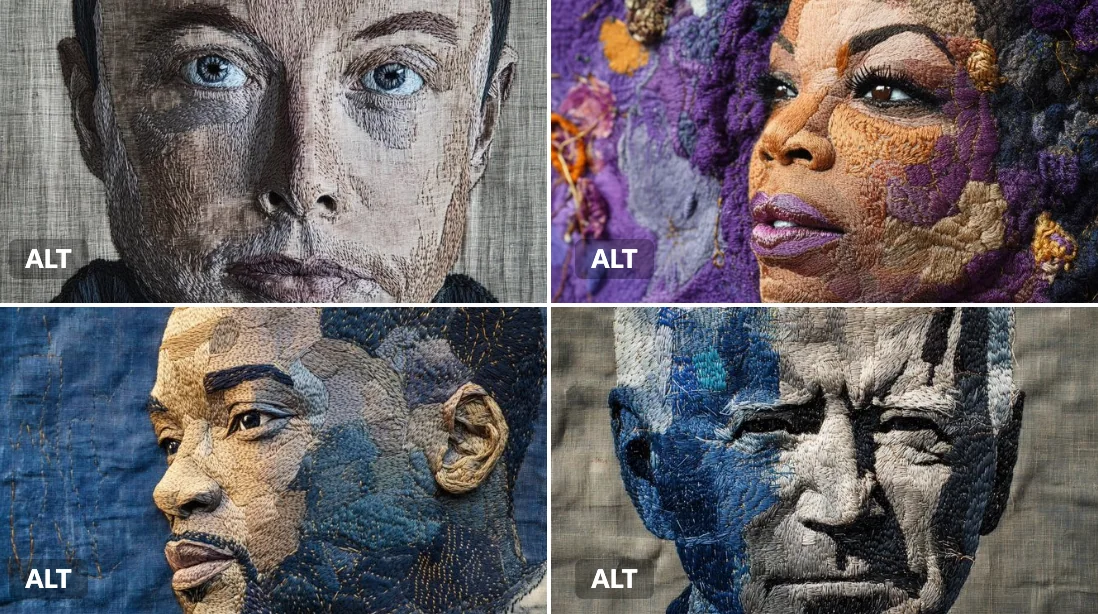
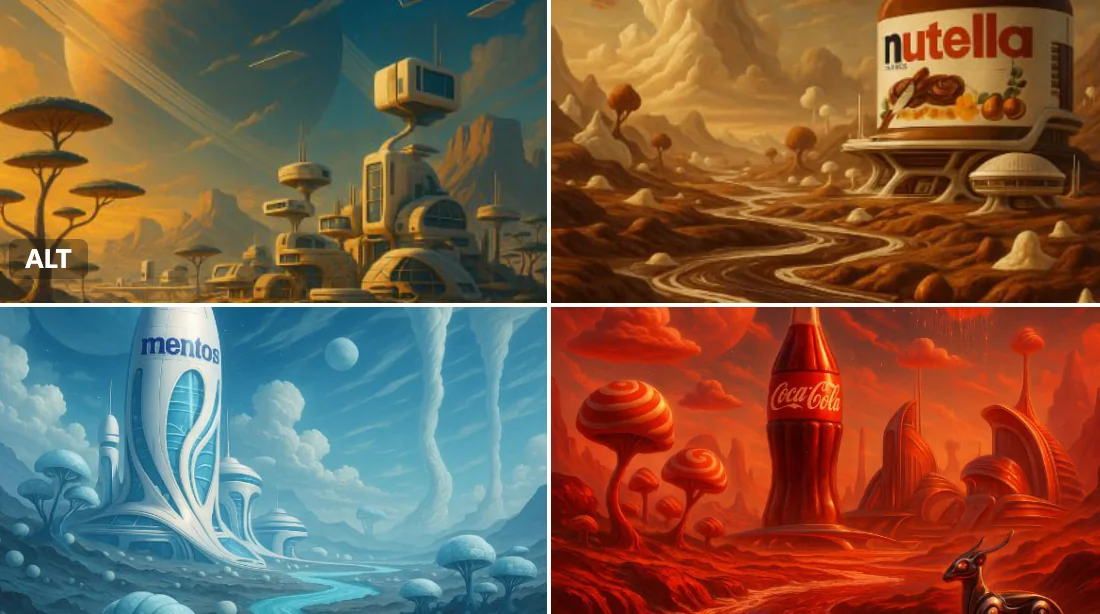
Case 15485
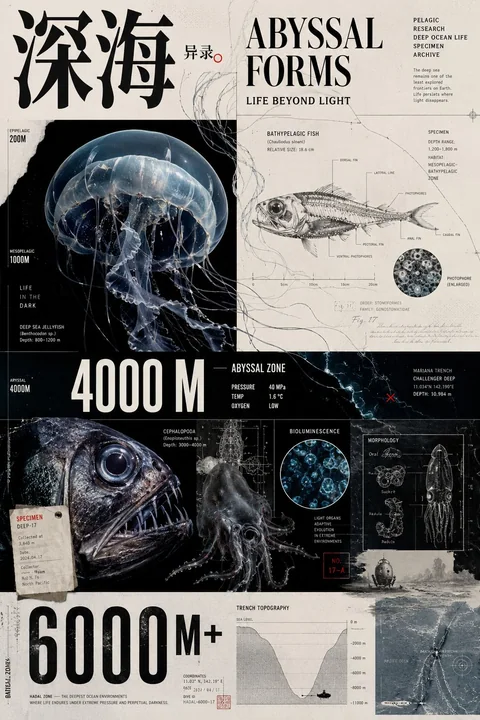
高密度自然科学标本档案实验排版海报
Prompt
[Theme]: Deep sea / Insects / Minerals / Plants / Other natural science themes
[Main Title]:
[English Title]:
[Core Research Object]:
[Structural Skeleton]: Depth / Wing veins / Faults / Root systems / Other natural structures
[Scientific Materials]: Specimen photography / Anatomical diagrams / Micrographs / Data / Charts / Maps
[Main Color + Accent Color]:
[Ratio]: 9:16

Design a high-density natural science Editorial Poster, merging Scientific Archive, Natural History Museum Visual, and Experimental Graphic Design, emphasizing controlled chaos / messy beauty.

Let the research object's own structure directly participate in the typography, for example: jellyfish tentacles connecting information, wing veins forming grids, mineral faults cutting the layout, root systems and leaf veins forming growth paths.

Mix real photography, scientific line drawings, microscopic images, specimen labels, data charts, and giant Typography, and design multiple visual blocks of different natures. Connect blocks through cropping, occlusion, cross-boundary, dislocation, and overlapping; do not make them independent and neat modules.

Establish obvious scale contrasts: super large titles / numbers + medium-sized scientific information + extremely small metadata. Control the visual rhythm of "Loose -> Dense -> Strong -> White Space," making local areas high-density and local areas suddenly empty.

Keep colors restrained, mainly 2–3 base colors + 1 small amount of accent color, adding real textures such as paper, scans, specimen archives, and printing grain.

Final effect: scientific editorial design, specimen archive, macro-to-micro imagery, experimental typography, asymmetric collage, layered composition, museum-grade graphic design, controlled chaos.

Avoid: ordinary popular science infographics, neat grids, materials spread evenly, children's encyclopedia feel, main image + title templates, same texture for all blocks, only "messiness" without a visual skeleton.

【主题】:深海 / 昆虫 / 矿物 / 植物 / 其他自然科学主题
【主标题】:
【英文标题】:
【核心研究对象】:
【结构骨架】:深度 / 翼脉 / 断层 / 根系 / 其他自然结构
【科学素材】:标本摄影 / 解剖图 / 显微图 / 数据 / 图表 / 地图
【主色 + 强调色】:
【比例】:9:16

设计一张高密度自然科学 Editorial Poster,融合 Scientific Archive、Natural History Museum Visual 和 Experimental Graphic Design,强调 controlled chaos / 凌乱美。

让研究对象自身的结构直接参与排版,例如:水母触须连接信息、翼脉形成网格、矿物断层切割版面、根系与叶脉形成生长路径。

混合真实摄影、科学线稿、显微图像、标本标签、数据图表和巨大 Typography,并设计多个不同性质的视觉板块。板块之间通过裁切、遮挡、跨界、错位和叠压产生联系,不要做成彼此独立的规整模块。

建立明显的尺度反差:超大标题 / 数字 + 中型科学信息 + 极小 metadata。控制“松 → 密 → 强 → 留白”的视觉节奏,让局部高密度,局部突然空下来。

色彩保持克制,以 2–3 个基础色 + 1 个少量强调色为主,加入纸张、扫描、标本档案、印刷颗粒等真实质感。

最终效果:scientific editorial design, specimen archive, macro-to-micro imagery, experimental typography, asymmetric collage, layered composition, museum-grade graphic design, controlled chaos.

避免:普通科普信息图、整齐宫格、素材平均铺满、儿童百科感、主图+标题模板、所有板块同一种质感、只有“乱”却没有视觉骨架。
Другие промпты
Case 15150
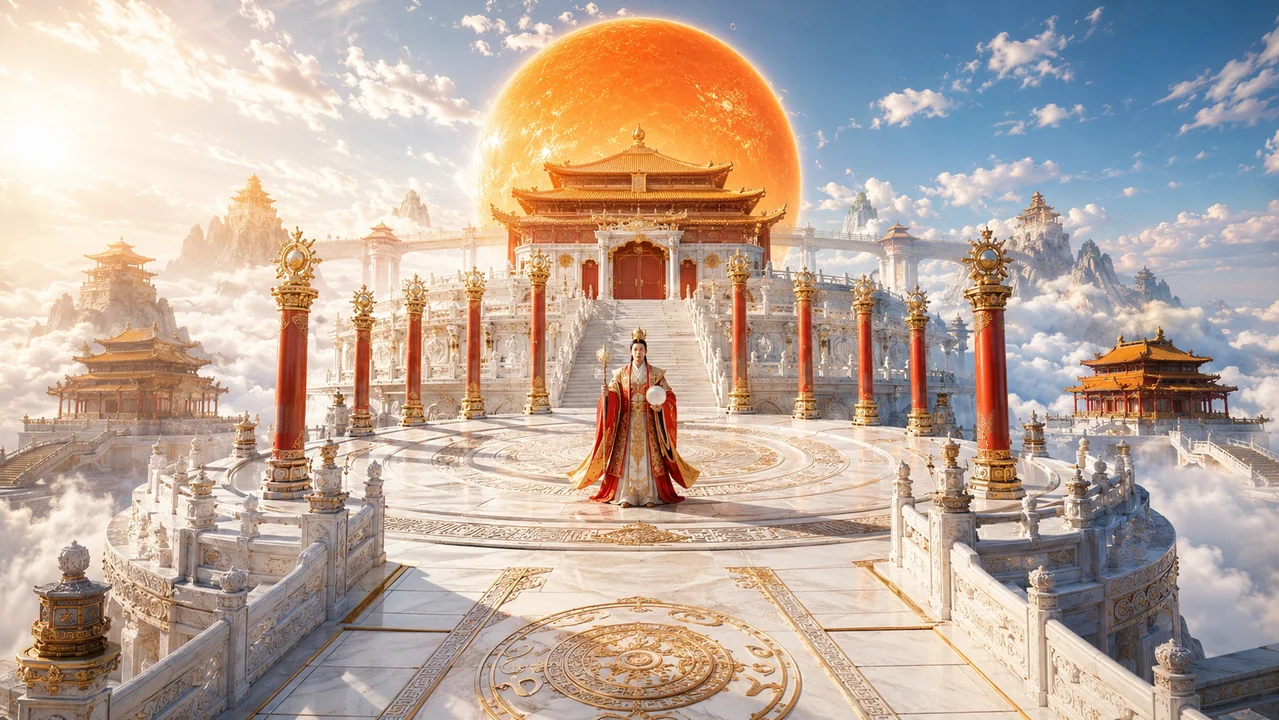
磅礴东方神话:赤金天坛日宫启曜盛典
东方神话超广角天宫建筑日出晨曦赤金美学
Case 13477
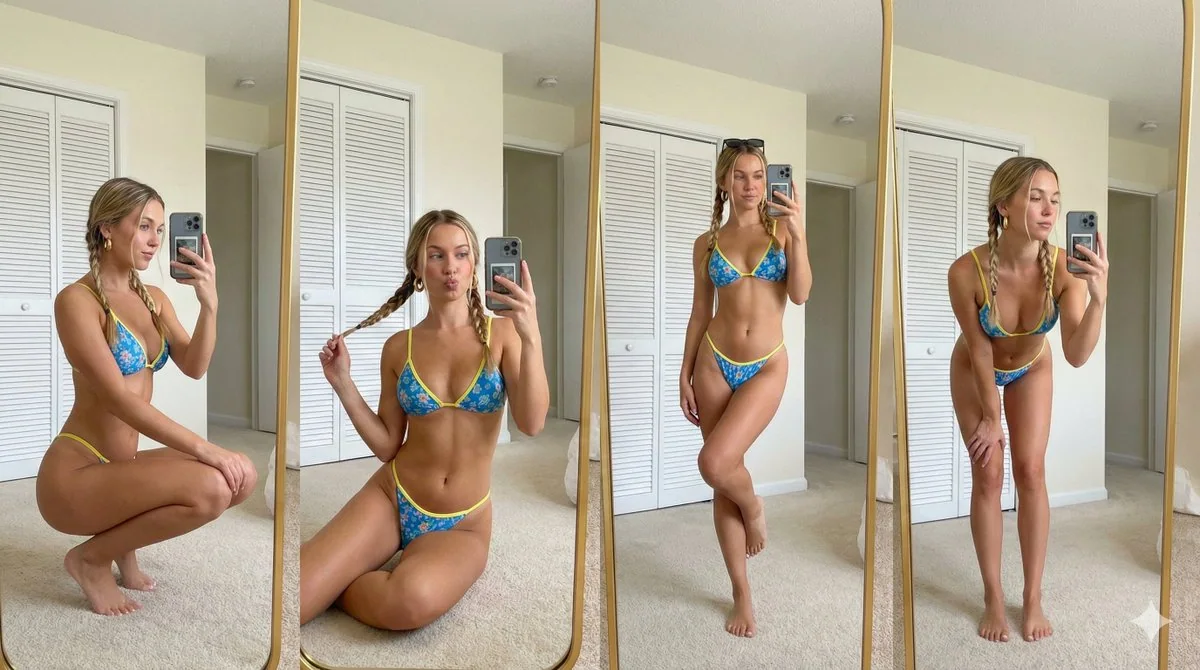
Солнечная блондинка с косами в бикини, игривая зеркальная селфи-серия из четырёх кадров
Зеркальное селфи взрослой светловолосой женщины, две заплетённые косички, синий цветочный бикини с жёлтой отделкой, золотые серьги-кольца, солнцезащитные очки на голове, жёлтые шлёпанцы, четыре позы рядом: сидя на корточках с телефоном, сид
金发镜自拍