奥运体育水墨排版极简提示词
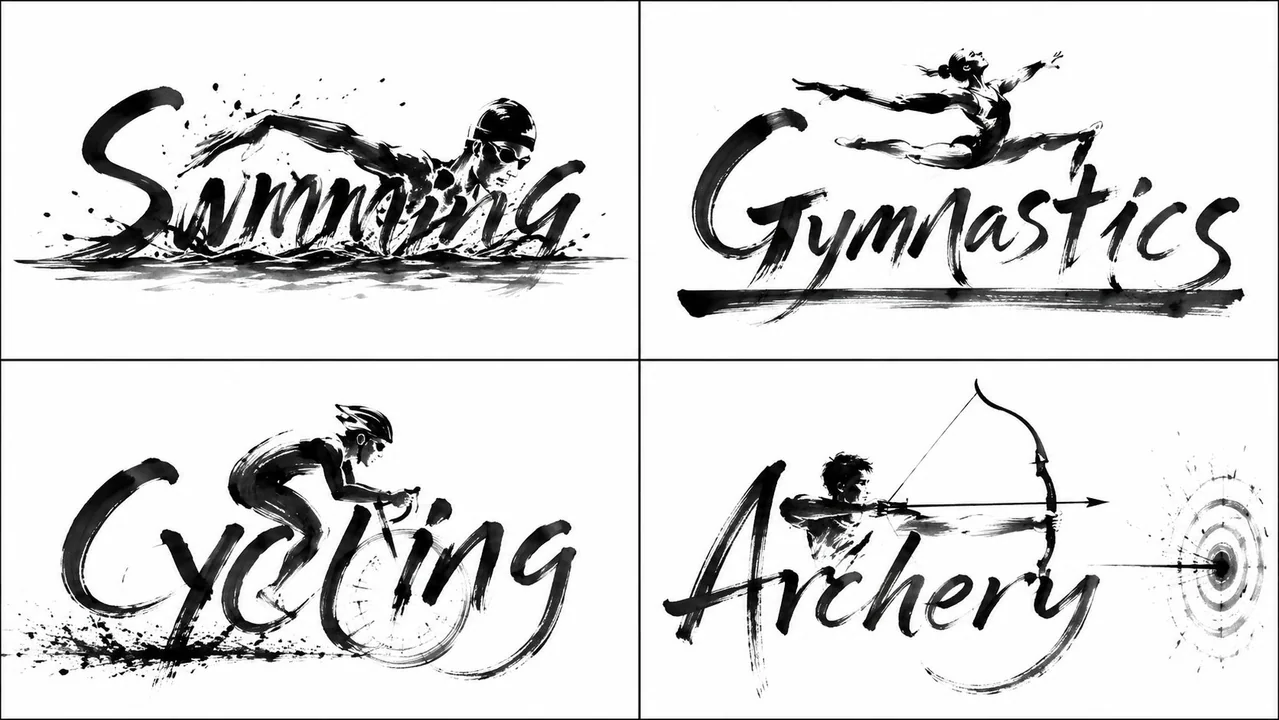
Prompt
2x2 网格,针对奥运运动执行以下操作:16:9 输入 ::= [主题或词语] W := 派生词(输入) A := 推断执行者或符号(输入) E := 推断定义性动作(输入) M := 推断反应介质(E, 输入) 布局求解器 :: +--------------------------------------------------------------------------------+ | | | ┌─ 能够容纳 A 的字形 | | ↓ | | [ 字形 ] [ 字形 ] [ 动作字形 ] [ 字形 ] [ 字形 ] | | A │ | | │ 运动矢量(E) | | ▼ | | **** 冲击 **** | | ╭─────────┼─────────╮ | | ≈≈≈≈≈≈≈≈≈ 反应基准线 ≈≈≈≈≈≈≈≈ | | | +--------------------------------------------------------------------------------+ 语义分配 :: 身体槽位 := 其封闭空间/曲线/笔画最适合姿势(A)的字形 动作槽位 := 其几何形状自然表达 E 的字形 地面槽位 := 底部排版区域转化为 M 融合 :: A.身体部位 -> 字形笔画 A.手势 -> 末端或曲线 动作字形 -> 运动轨迹 M.表面 -> 共享词基准线 碰撞 -> 墨迹喷溅 能量传播 -> 同心标记或主题等效物 画笔物理 :: 笔画宽度(t) ∝ 压力(t) 干燥度(t) ∝ 速度(t) 飞溅 ∝ 冲击力(E) 涟漪半径 ∝ 经过的视觉时间 规则 :: - 只保留足以理解 A 和 E 的文字细节 - 保留巨大的白色负空间 - 反应标记成为整个单词的构图支撑 - 使用不对称和稀疏的画笔瑕疵 - 如果 M 不是液体,推断适当的反应 - 绝不预先指定特定的字母、执行者、动作或介质
更多提示词
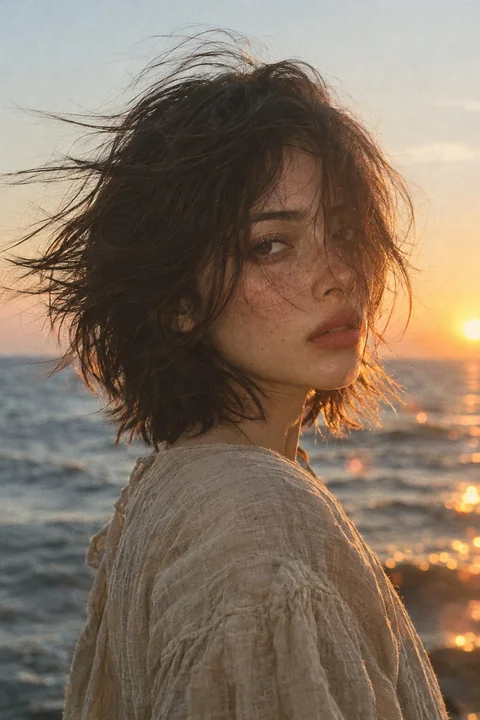
海边金色时刻女孩胶片感人像
An intimate golden-hour portrait of a young woman standing by the sea, her head turned slightly toward the camera with a quiet, searching gaze. Her dark chocolate-brown hair is cut in a choppy, layered shag-bob, whipped by the ocean wind so
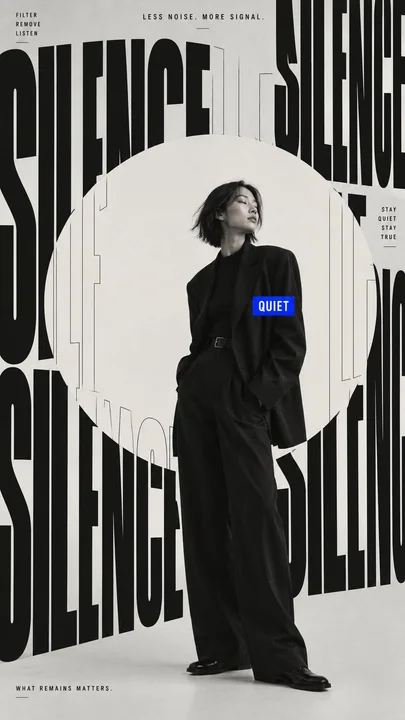
极简高端时尚海报摄影排版
[主题 / 主词]:{沉默 / 离线 / 重置 / 呼吸} [短句]:{例如:减少噪音。增加信号。} [主体]:{成年东亚男性 / 女性} [姿势]:{站立 / 坐姿 / 行走 / 表现力动作} [字体机制]:{负空间 / 破碎字体 / 字体门洞 / 扩展轮廓字体} [背景]:{暖象牙色 / 冷灰色 / 深海军蓝 / 炭黑色} [强调色]:{亮蓝色 / 信号红 / 柠檬绿 / 冰蓝色} [强调标签]:{安静 / 再次 / 断开连接 / 吸气} [纵横比]:9:16 创建一个
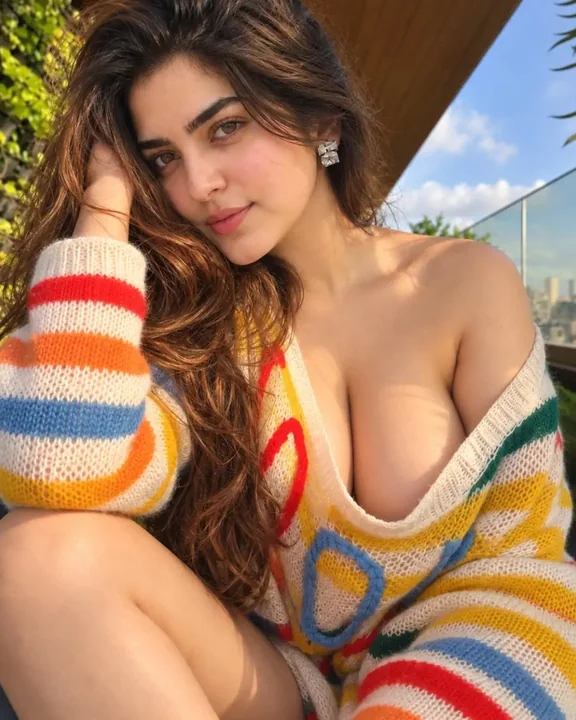
阳光露台彩色毛衣印度美女写实人像
Ultra-realistic 4K portrait of a beautiful young Indian woman with long, voluminous wavy brown hair, expressive brown eyes, soft makeup, and elegant square diamond earrings. She is sitting outdoors on a sunny terrace, gently resting her hea
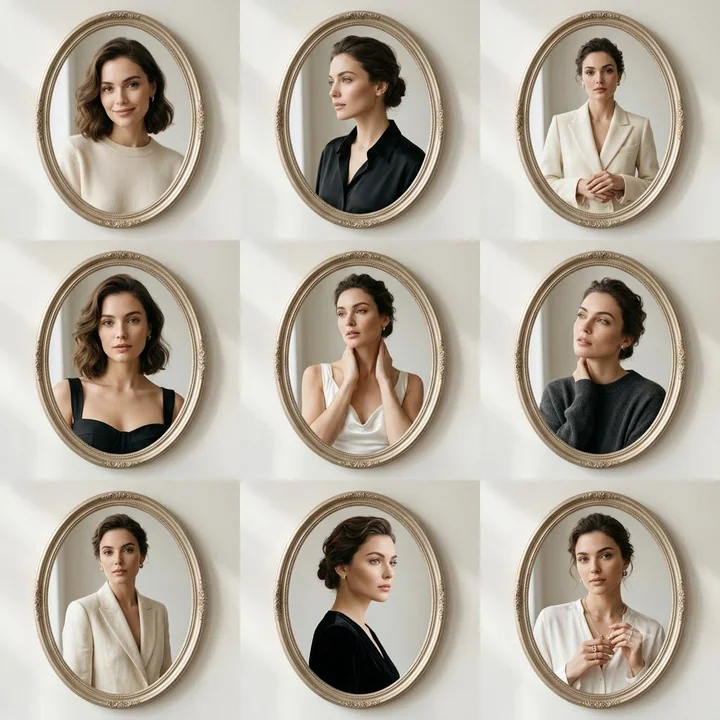
香槟金椭圆框时尚人像九宫格
一个3x3网格时尚构图,1:1比例,以同一位女性模特为主角。每张肖像都嵌套在由拉丝香槟金属制成的优雅悬浮椭圆框内。背景是柔和的象牙色,带有细微的阴影。模特穿着奢华的单色服装,展现出优雅的社论式表情。柔和的窗光,高端Vogue杂志摄影,超写实,无文字,无标志。
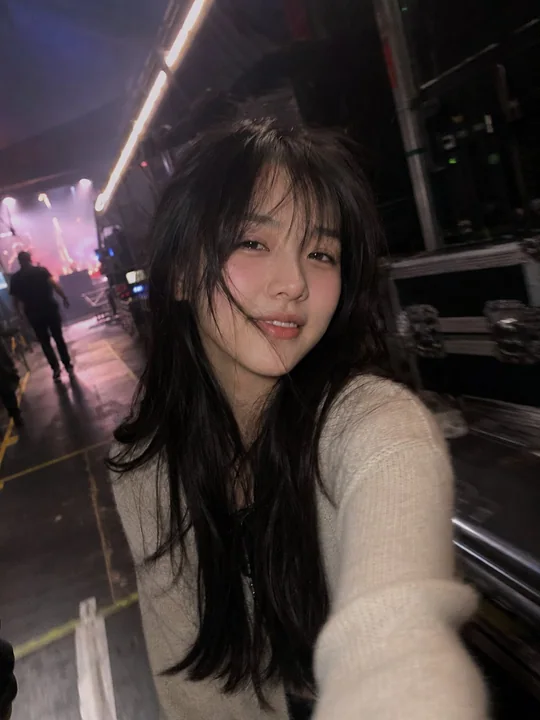
超写实演唱会后台iPhone抓拍
超写实偶然抓拍风格。同一位女性的iPhone前置摄像头自拍,严格保留参考图像中的身份特征、五官、发型及身体比例。场景位于演唱会后台走廊,她正穿行其间时被不经意拍下。她微微侧身,面带演出后松弛而疲惫的微笑,明显的微醺腮红妆,轻声浅笑,发丝被风吹得略显凌乱,神情自然毫无摆拍感。 画面呈现“意外快门”效果:手臂前伸,手机离面部过近,构图倾斜,主体偏离中心,发丝与手臂有轻微运动模糊。典型的iPhone前置摄像头成像质感,低光环境下带有噪点,舞台余光造成轻微过曝,镜头有光晕,对焦略有
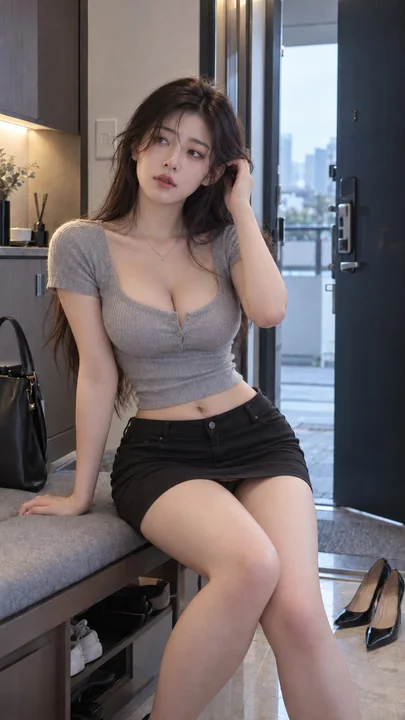
电影感玄关写实纯欲东方女性剧照
9:16 vertical, cinematic life still feel, realistic sensual lifestyle photo, realistic sensual lifestyle portrait, cinematic everyday portrait. The main subject is a 20–28 year old young adult East Asian female, clearly an adult, with natur
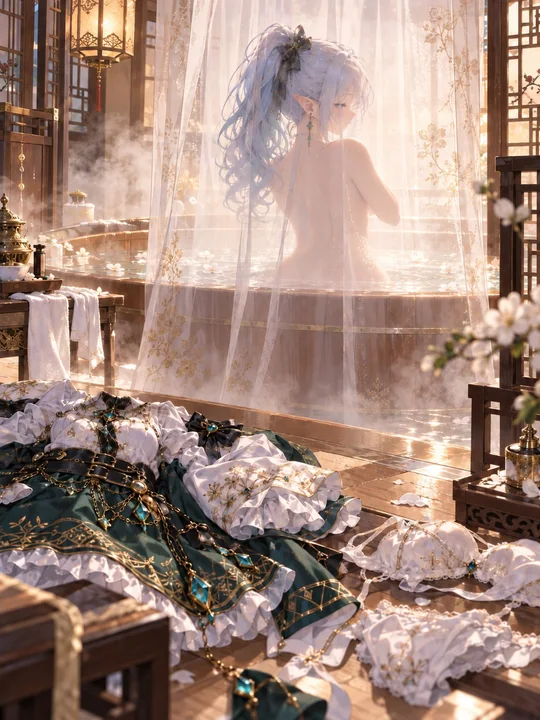
东方宫廷风25D动画入浴场景
Vertical 3:4, clean high-quality 2.5D animation illustration, bright and clear colors. Oriental court-style bathing scene. In the foreground, recently removed clothes and underwear are placed, expressing a natural sense of daily life and a
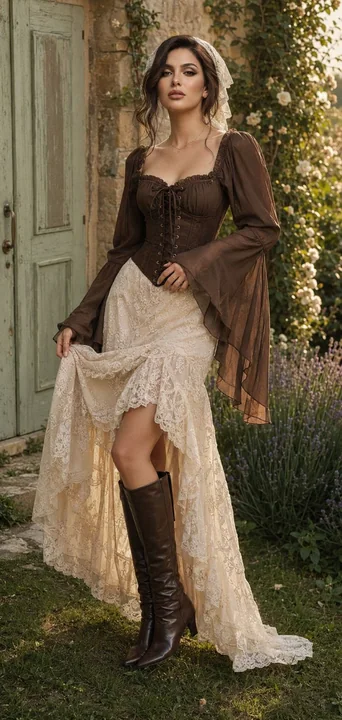
超写实复古田园风时尚人像摄影
超写实全身社论时尚照片,使用上传的参考图像作为女孩身份的唯一来源。100%保留她的面部特征、脸型、肤色、眼睛形状、年龄、比例以及所有可识别的特征,完全一致。不要改变她的外貌或让她看起来像其他人。 一位时尚的年轻成年女性穿着浪漫的复古风浓缩咖啡棕色和柔和象牙白色的田园装束。她穿着一件修身的浓缩咖啡棕色束身胸衣上衣,带有结构化的骨架、正面系带封口、古董黄铜孔眼、领口处精致的抽绳细节、柔和的方领、细微的褶皱饰边和戏剧性的半透明雪纺袖。袖子具有轻微的泡泡肩,并演变成延伸过手腕的超长
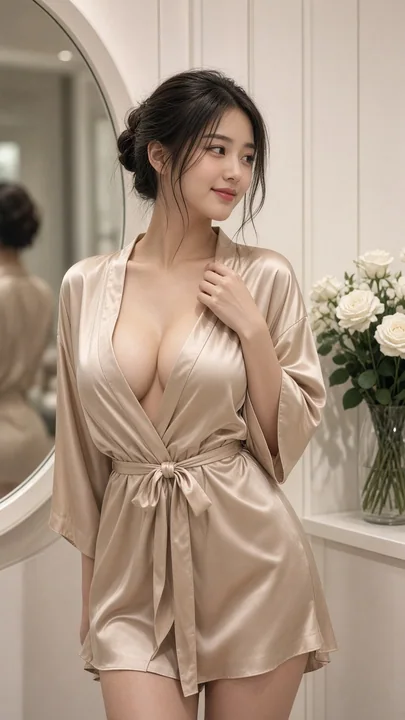
试衣间香槟色真丝睡袍东亚女性人像
A stunning 23-year-old adult East Asian woman, mature and confident facial features, skin is natural and delicate, retaining real texture, symmetrical and plump figure, breasts are obviously and naturally full, visually about F-cup, with a