Case 26355
东方极简毛笔线条抽象艺术
Prompt
Please strictly use the uploaded reference image as the sole subject reference source.

First, analyze and extract the most recognizable visual elements from the reference image, including:

Subject identity and type
Facial or head features
Head contours such as hairstyle, ears, horns, or hats
Clothing, accessories, props
Body posture and action direction
The most recognizable outer silhouette
The relationship between subjects
Representative colors from the original image
Iconic details that can embody the subject's identity

Do not mechanically trace the reference image, and do not pursue photo-realistic duplication.

On the premise of ensuring the subject "is still recognizable at a glance," perform high-level summarization, abstraction, and Oriental artistic recreation of the reference image.

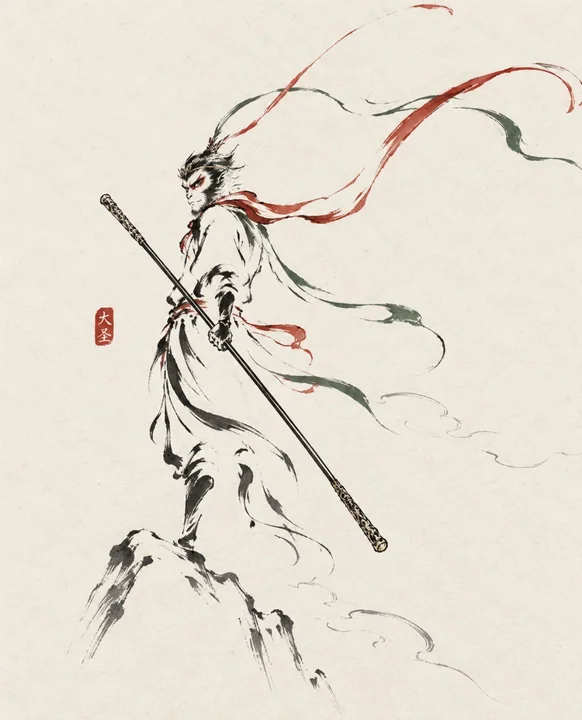
Translate the subject into modern abstract hand-drawn line art with a strong Chinese Oriental aesthetic temperament.

Overall, adopt extremely minimalist brush lines and modern line drawing language, re-summarizing the subject structure through a small number of expressive curves.

The lines have a distinct hand-drawn brush feel, with natural variations in thickness, featuring slight "flying white" (feibai), changes in ink dryness and wetness, and manual brushstrokes.

Use a large number of slender, smooth, and flowing artistic curves.

Some lines can naturally extend from the subject structure, forming long curves similar to calligraphy brushstrokes, clothing ribbons, water flow, wind, or clouds, creating a clear sense of speed, direction, and Oriental rhythm in the picture.

Do not draw all structures completely.

Allow the subject to be expressed through broken lines, white space, a few strokes of summarization, partial missing pieces, and visual association.

Focus on retaining the most recognizable silhouettes, postures, and iconic elements, and boldly discard the rest of the details.

Control colors to a minimal amount.

Use black lines as the primary visual skeleton, and according to the representative colors of the reference image itself, extract 1–2 accent colors for artistic use.

Prioritize allowing the use of:
Black, vermilion, and dark green.
Color only serves as local finishing touches and is not used for large-area filling.

Some iconic clothing, accessories, props, or action trajectories can be emphasized with red or green long lines.

Composition is complete but extremely restrained.

The subject is located in the central visual area of the picture; conventional proportions can be appropriately broken, with elongation and curvaceous treatment applied to the body, clothing, hair, tail, props, or action trajectories.

Make the subject appear as if naturally formed by a few flowing brush lines, rather than outlined by closed contours.

The overall style possesses a fused visual language of:
Oriental abstract art,
Modern minimalism,
Chinese calligraphy lines,
Ink sketching,
Traditional mythological illustration,
Modern editorial illustration.

Add a small traditional vermilion seal stamp to the picture.
The seal text should be refined based on the identity, name, nickname, character traits, or picture theme of the reference image subject, limited to within 2–4 Chinese characters.
If there is no clear textual information, do not add specific names arbitrarily; brief Oriental imagery words matching the subject's temperament can be used.
The seal is only a visual embellishment, small in size, and does not compete with the subject.
Background remains extremely minimalist.
Use delicate off-white Xuan paper as the background color, with very slight, natural, and authentic paper fiber texture.
Do not have complex scenes, buildings, scenery, or decorative backgrounds.
Large areas of white space must be reserved around the picture, especially the periphery of the subject should not be crowded with elements.

Utilize white space and a few curves to form the "virtual-real relationship" and sense of breathing in Oriental painting.

The final effect should be like:

"Extracting the soul and silhouette from a real reference image, then redrawing it with a few flowing Chinese brush long lines."

Emphasis:
Subject recognizability must be retained,
but it is not a photo copy;
Structure is highly summarized,
but cannot be so abstract as to be unrecognizable;
Lines are few and precise,
flowing but not messy;
Traditional Oriental temperament and modern sense of design exist simultaneously.

High-definition and delicate, art poster-level completion, clean, restrained, and sophisticated.

Forbidden:
Realistic photo effects,
3D rendering,
Cartoon/Chibi style,
Complex backgrounds,
Large amounts of color,
Large color blocks,
Dense details,
Mechanical outlining,
Closed vector silhouettes,
Neon effects,
Cyberpunk elements,
Redundant text,
English text,
Commercial logos,
Watermarks.

The focus of the picture is always:
"Subject recognizability from reference image + Minimalist brush lines + Flowing long curves + Oriental white space + Small amount of vermilion/dark green accents."

请严格以我上传的参考图为唯一主体参考来源。

首先分析并提取参考图中最具有辨识度的视觉要素,包括:

主体身份与类型
面部或头部特征
发型、耳朵、角、帽子等头部轮廓
服装、配饰、道具
身体姿态与动作方向
最有辨识度的外轮廓
主体之间的关系
原图中具有代表性的色彩
能够体现主体身份的标志性细节

不要机械描摹参考图,也不要追求照片级写实复制。

在保证主体“一眼仍然能够被认出”的前提下,对参考图进行高度概括、抽象化和东方艺术化重新创作。

将主体转译为具有强烈中国东方美学气质的现代抽象手绘线条艺术。

整体采用极致简约的毛笔线条与现代线描语言,通过少量但富有表现力的曲线重新概括主体结构。

线条具有明显的手绘毛笔感,粗细自然变化,带有轻微飞白、墨迹干湿变化与手工笔触。

大量使用修长、流畅、飘逸的艺术曲线。

部分线条可以从主体结构自然延伸出去,形成类似书法运笔、衣带、水流、风、云气一般的长曲线,使画面产生明显的速度感、方向感和东方韵律。

不要把所有结构完整画出来。

允许通过断线、留白、几笔概括、局部缺失和视觉联想来表现主体。

重点保留最具有识别度的轮廓、姿态和标志性元素,其余细节大胆舍弃。

色彩控制在极少数量。

以黑色线条作为主要视觉骨架,并根据参考图本身的代表性色彩,提取 1—2 种强调色进行艺术化使用。

优先允许使用:
黑色、朱红色、墨绿色。
颜色只作为局部点睛,不进行大面积填色。

部分标志性服装、配饰、道具或动作轨迹可以使用红色或绿色长线进行强调。

构图完整但极度克制。

主体位于画面视觉中心区域,可以适当打破常规比例,对身体、衣物、毛发、尾巴、道具或动作轨迹进行拉长和曲线化处理。

让主体像由几根正在流动的毛笔线条自然形成,而不是由封闭轮廓勾勒出来。

整体具有:
东方抽象艺术、
现代极简主义、
中国书法线条、
水墨速写、
传统神话插画、
现代编辑插画
融合后的视觉语言。

画面加入一枚小型传统朱红色篆刻印章。
印章文字根据参考图主体的身份、名字、昵称、角色特征或画面主题进行提炼,控制在 2—4 个汉字以内。
如果没有明确文字信息,则不要擅自添加具体姓名,可使用与主体气质相符的简短东方意象文字。
印章只是视觉点缀,尺寸较小,不抢主体。
背景保持极简。
使用细腻的米白色宣纸作为底色,具有非常轻微、自然、真实的纸张纤维纹理。
不要出现复杂场景、建筑、景物或装饰性背景。
画面四周必须保留大面积留白,尤其主体外围不要塞满元素。

利用留白与少量曲线形成东方绘画中的“虚实关系”和呼吸感。

最终效果应像:

“从一张真实参考图中提取灵魂与轮廓,再用几根飘逸的中国毛笔长线重新画了一遍。”

强调:
主体辨识度必须保留,
但不是照片复制;
结构高度概括,
但不能抽象到无法识别;
线条少而精准,
飘逸但不凌乱;
传统东方气质与现代设计感同时存在。

高清细腻,艺术海报级完成度,干净、克制、高级。

禁止:
写实照片效果、
3D渲染、
卡通Q版、
复杂背景、
大量颜色、
大面积色块、
密集细节、
机械描边、
封闭式矢量轮廓、
霓虹灯效果、
赛博朋克元素、
多余文字、
英文文字、
商业Logo、
水印。

画面重点始终是:
「参考图主体辨识度 + 极简毛笔线条 + 飘逸长曲线 + 东方留白 + 少量朱红/墨绿点睛」。
Другие промпты
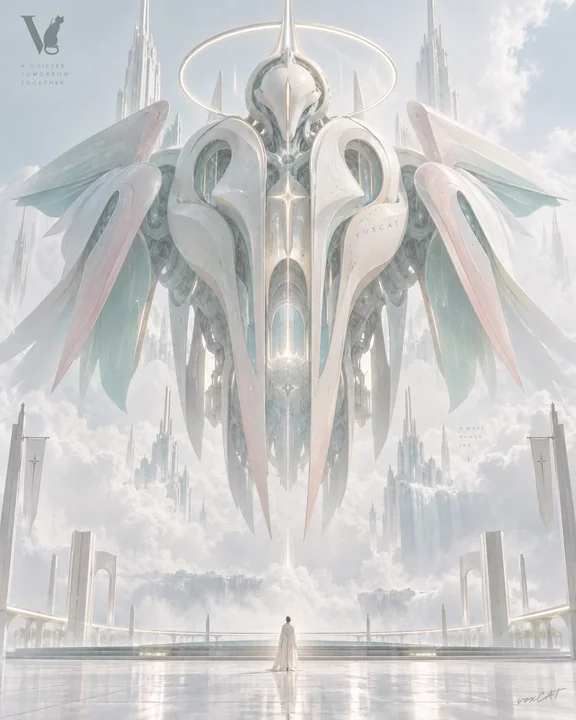
Case 26340
柔性超现实机甲海报风格
{Mech Theme}, only reference the core identification information of the theme, translated into a soft surrealist mech poster style. Giant floating mechs / mechanical creatures, rounded organic biomorphic mech outlines, streamlined shells, s
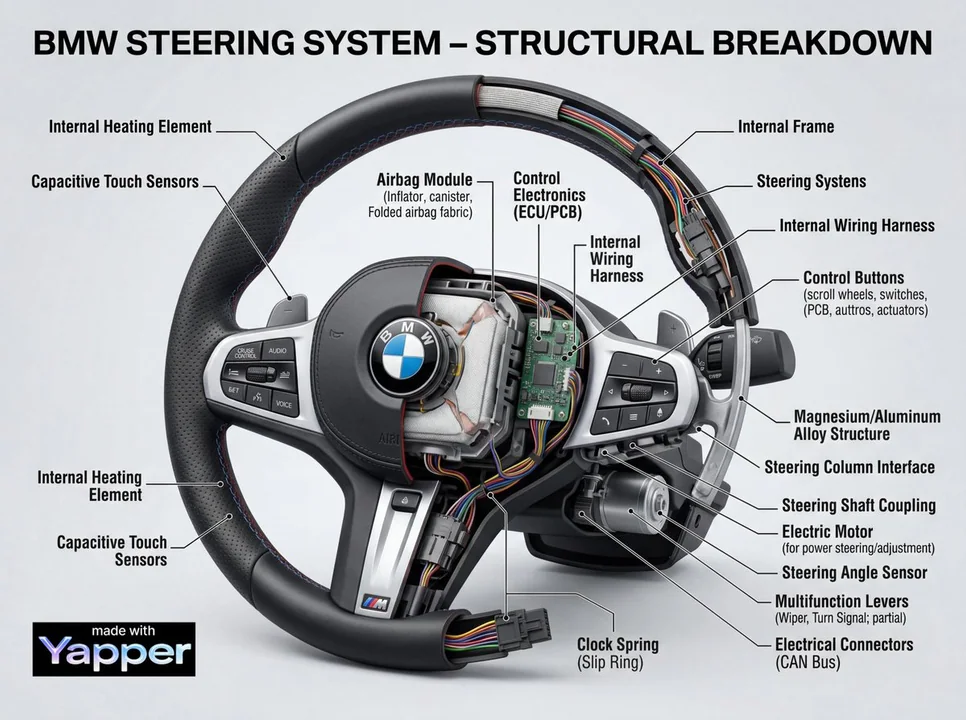
Case 8447
Полная маркировка компонентов: жёсткий научный рисунок с пояснениями
Создайте профессиональную информационную инфографику высокого разрешения для [OBJECT NAME]. Представьте объект в стиле чистого, полузавершенного технического рисунка. Используйте разрез, сечение или разборку, где это уместно, чтобы показать
信息图爆炸图剖面图结构图拆解