Case 25642
Prompt pour une affiche artistique de style oriental, mettant en valeur l'art de l'espace vide poétique
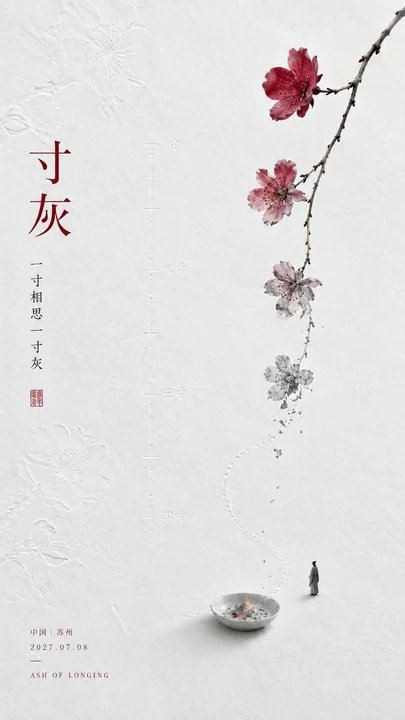
Prompt
[Phrase Poétique Originale] : Insérer un vers de poésie ancienne, empreint d’émotions subtiles et d’images visuelles
[Thème en Deux Caractères] : Extraire 2 caractères clés du poème
[Émotion Centrale] :
[Sujet Mineur] :
[Système de Couleurs Principal] :
[Bas-Relief Léger] :
[Lieu et Date] :

Générer une affiche artistique verticale au format 9:16, inspirée de la poésie orientale et de l’art de l’espace blanc, transformant l’[Émotion Centrale] issue du [Phrase Poétique Originale] en un état émotionnel visible.

Utiliser un papier d’art artisanal haut de gamme, d’un blanc pur ou légèrement teinté de tons froids, en conservant les fibres réelles, les particules de pâte à papier et les indentations naturelles. Maintenir environ 65 % à 75 % d’espace blanc effectif ; le sujet principal ne doit pas être trop grand, le [Sujet Mineur] devant idéalement occuper seulement 8 % à 20 % du cadre, afin que l’espace blanc lui-même participe à l’expression de la distance, de l’attente, de la mémoire et du sentiment d’inachèvement.

Ne pas reproduire directement la scène complète du poème, mais plutôt choisir un objet petit et précis comme ancrage émotionnel, puis exprimer l’état émotionnel par des variations de couleur, la disparition, l’accumulation, les images résiduelles ou les trajectoires de mouvement.

Ajouter en arrière-plan un bas-relief à faible contraste, le [Bas-Relief Léger], lié au thème. Ce relief ne doit pas être purement décoratif, mais représenter des traces d’une existence passée, d’un changement en cours ou d’une arrivée imminente, tels que d’anciennes lignes de niveau d’eau en hausse progressive, des ailes de papillon répétées et décalées, des ombres de fleurs délavées, des marques d’ailes après le vol ou des lignes de vent s’étendant vers l’horizon. L’ensemble doit rester épuré de loin, ne révélant les informations cachées qu’à l’examen attentif.

Utiliser le [Système de Couleurs Principal] pour la palette chromatique, qui peut être vive, belle et chargée d’émotion ; ne pas se limiter au noir, au blanc et au gris sous prétexte que le thème est mélancolique. Les couleurs doivent naturellement produire des relations de densité, de délavage, de transparence ou de dissipation en fonction de la distance, du temps ou de l’état.

Toutes les lignes d’eau, fils de soie, lignes de vent, traces de pluie et trajectoires de mouvement doivent être continues, douces et naturelles, évitant les nombreux points de rupture, les lignes fragmentées et les textures artificielles typiques de l’IA.

De très petites figures humaines peuvent être ajoutées, mais elles ne sont pas obligatoires sur chaque image. Les figures servent uniquement à établir l’échelle et l’émotion ; elles ne pleurent pas et n’effectuent pas d’actions dramatiques. Il est également possible de les supprimer entièrement, laissant des sujets mineurs comme des fleurs, la pluie, des papillons ou des oiseaux porter indépendamment le récit.

Utiliser le [Thème en Deux Caractères] pour le titre principal en chinois, en employant des polices de caractères chinois serif modernes, de style Songti, Mingti ou éditorial. Le sens esthétique peut être renforcé par l’espacement des caractères, un léger décalage, de fines lignes ou des extensions partielles, mais les caractères chinois doivent rester complets, précis et clairs.

Ajouter simultanément des vers du poème en petite taille, le lieu, la date et un titre court en anglais.

L’effet global doit évoquer une fusion entre l’émotion de la poésie classique, l’expérimentation des matériaux papier, l’art du bas-relief et le design éditorial moderne : d’abord une apparence concise et aérée, puis la découverte du sujet au second regard, et enfin, à l’examen attentif, la révélation de ces traces « inachevées ».

【Phrase Poétique Originale】 : Insérer un vers de poésie ancienne, empreint d’émotions subtiles et d’images visuelles
【Thème en Deux Caractères】 : Extraire 2 caractères clés du poème
【Émotion Centrale】 :
【Sujet Mineur】 :
【Système de Couleurs Principal】 :
【Bas-Relief Léger】 :
【Lieu et Date】 :

Générer une affiche artistique verticale au format 9:16, inspirée de la poésie orientale et de l’art de l’espace blanc, transformant l’[Émotion Centrale] issue du [Phrase Poétique Originale] en un état émotionnel visible.

Utiliser un papier d’art artisanal haut de gamme, d’un blanc pur ou légèrement teinté de tons froids, en conservant les fibres réelles, les particules de pâte à papier et les indentations naturelles. Maintenir environ 65 % à 75 % d’espace blanc effectif ; le sujet principal ne doit pas être trop grand, le [Sujet Mineur] devant idéalement occuper seulement 8 % à 20 % du cadre, afin que l’espace blanc lui-même participe à l’expression de la distance, de l’attente, de la mémoire et du sentiment d’inachèvement.

Ne pas reproduire directement la scène complète du poème, mais plutôt choisir un objet petit et précis comme ancrage émotionnel, puis exprimer l’état émotionnel par des variations de couleur, la disparition, l’accumulation, les images résiduelles ou les trajectoires de mouvement.

Ajouter en arrière-plan un bas-relief à faible contraste, le [Bas-Relief Léger], lié au thème. Ce relief ne doit pas être purement décoratif, mais représenter des traces d’une existence passée, d’un changement en cours ou d’une arrivée imminente, tels que d’anciennes lignes de niveau d’eau en hausse progressive, des ailes de papillon répétées et décalées, des ombres de fleurs délavées, des marques d’ailes après le vol ou des lignes de vent s’étendant vers l’horizon. L’ensemble doit rester épuré de loin, ne révélant les informations cachées qu’à l’examen attentif.

Utiliser le [Système de Couleurs Principal] pour la palette chromatique, qui peut être vive, belle et chargée d’émotion ; ne pas se limiter au noir, au blanc et au gris sous prétexte que le thème est mélancolique. Les couleurs doivent naturellement produire des relations de densité, de délavage, de transparence ou de dissipation en fonction de la distance, du temps ou de l’état.

Toutes les lignes d’eau, fils de soie, lignes de vent, traces de pluie et trajectoires de mouvement doivent être continues, douces et naturelles, évitant les nombreux points de rupture, les lignes fragmentées et les textures artificielles typiques de l’IA.

De très petites figures humaines peuvent être ajoutées, mais elles ne sont pas obligatoires sur chaque image. Les figures servent uniquement à établir l’échelle et l’émotion ; elles ne pleurent pas et n’effectuent pas d’actions dramatiques. Il est également possible de les supprimer entièrement, laissant des sujets mineurs comme des fleurs, la pluie, des papillons ou des oiseaux porter indépendamment le récit.

Utiliser le [Thème en Deux Caractères] pour le titre principal en chinois, en employant des polices de caractères chinois serif modernes, de style Songti, Mingti ou éditorial. Le sens esthétique peut être renforcé par l’espacement des caractères, un léger décalage, de fines lignes ou des extensions partielles, mais les caractères chinois doivent rester complets, précis et clairs.

Ajouter simultanément des vers du poème en petite taille, le lieu, la date et un titre court en anglais.

L’effet global doit évoquer une fusion entre l’émotion de la poésie classique, l’expérimentation des matériaux papier, l’art du bas-relief et le design éditorial moderne : d’abord une apparence concise et aérée, puis la découverte du sujet au second regard, et enfin, à l’examen attentif, la révélation de ces traces « inachevées ».
Autres prompts
Case 17129
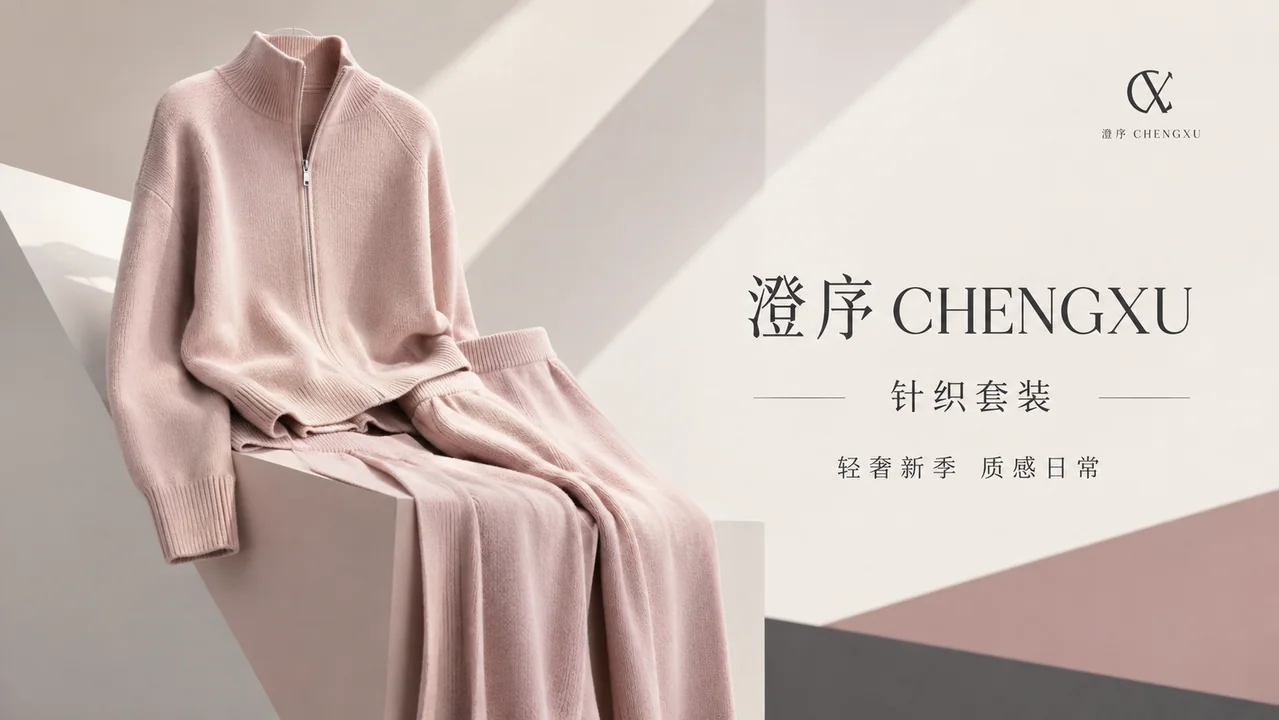
Visuel de la première page du site officiel de la marque, format paysage, ensemble tricoté de luxe accessible
极简针织留白轻奢横版
Case 27495
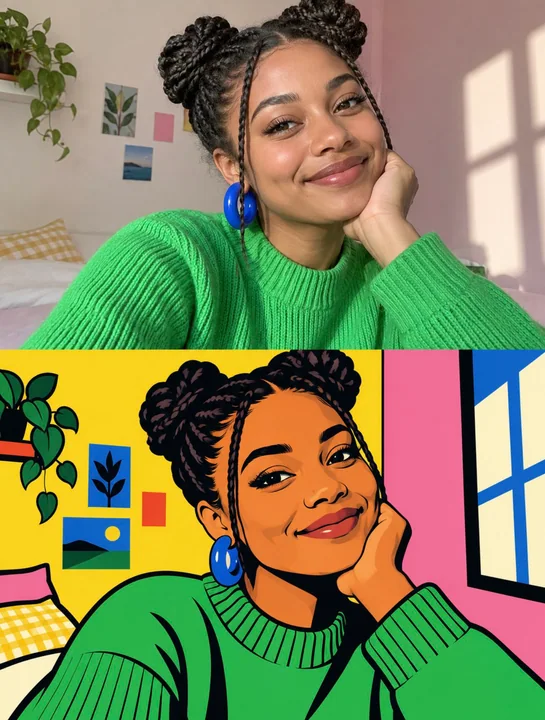
Illustration de reconstruction en double association dans le style néo-barbare
Créez une illustration complète au format vertical divisé en deux, avec un canevas vertical clairement séparé en sections supérieure et inférieure, chacune occupant un ratio de 1:1. L’ensemble présente une œuvre en écran scindé intitulée «