Case 28619
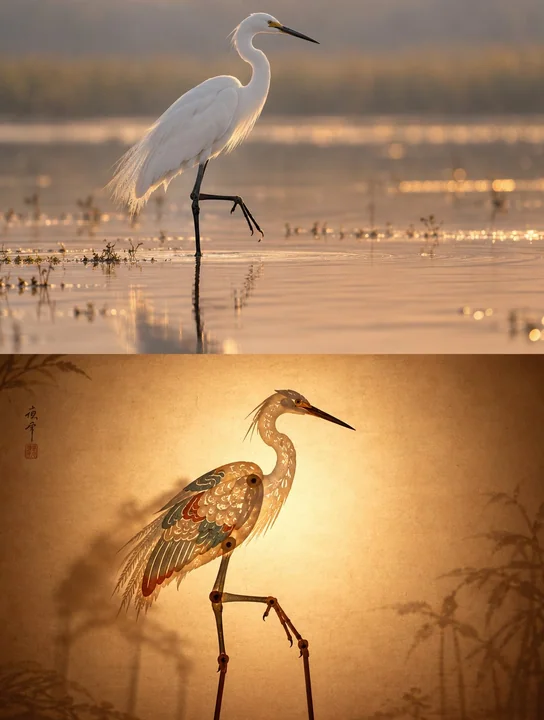
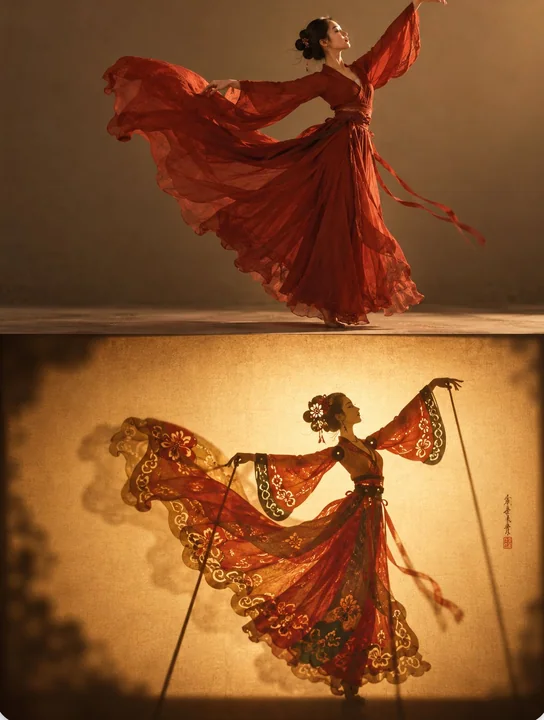
Oriental Shadow Puppetry Artistic Poster
Prompt
Please convert each uploaded photo into an independent, high-end design poster, with no multi-image stitching; each photo should be output separately. The overall layout uses a 3:4 vertical composition, with the top and bottom areas strictly equal in height, each occupying 50% of the frame. The upper half retains the original photo, preserving the subject’s identity, structure, posture, realistic texture, natural lighting, and original color atmosphere, with only slight high-end color grading to give it the texture of artistic photography and Oriental exhibition imagery. To fit the aspect ratio, the environmental background can be naturally extended, but the subject must not be stretched, distorted, or altered. The lower half extracts the most recognizable subject, silhouette, posture, and narrative relationship from the photo, reconstructing it into a traditional Chinese shadow puppet performing on a translucent rice paper curtain illuminated by warm light. Whether the original image features a person, animal, architecture, plant, object, or landscape, it is understood as a “controllable character”: the subject is split into a few jointed parts connected by rivets, the posture is taken from the most expressive moment in the original photo, and one or two slender bamboo control sticks extend into the frame from below. Avoid realistic depiction and cartoonization; instead, re-summarize using the modeling grammar of shadow puppets: profiled, flattened, decorative hollow-outs, cloud patterns and geometric carved patterns, and partial translucent color dyeing. Retain the most recognizable features of the original object so that viewers can identify it at a glance, while feeling that it has been re-understood and carved by a master craftsman. Light and shadow are the soul of this work: a warm light source behind the curtain makes the hollowed-out parts of the shadow puppet glow with warm light spots, the color-dyed parts present translucent vermilion, indigo, olive green, and amber yellow, and the edges of the shadow puppet have soft projected shadows and a slight halo, as if it is slowly moving. There can be very slight double shadows or dynamic blur, representing the moment the puppet is performing. The composition is centered on one scene, one puppet, and a large amount of negative space. The curtain is a warm beige or light amber light field, with the surroundings naturally darkening; the subject occupies only about 25%–35% of the frame, can be off-center or located at the golden ratio, and the rest of the space remains quiet, like a pause before a play begins. No audience, full stage view, or complex props should appear. The color scheme extracts 2–3 of the most emotionally valuable colors from the photo above, translating them into the translucent colors of shadow puppet dyeing, unified with the warm light field; shadows use deep brown and warm ink tones, rather than cold black. A small amount of text is involved, which can be written in vertical small characters as a “play title” or a short sentence, like a handwritten program from a theater troupe, quietly falling in a corner of the curtain, with no language restriction. The overall presentation is a light and shadow visual composed of shadow puppet carving, translucent color dyeing, warm light curtains, soft shadows, and Oriental negative space. The core principle is: invite the protagonist in the photo onto the curtain, and let it perform a whole play with one posture. Avoid complete realism, cluttered scenes, cheap Guochao style, plastic texture, 3D rendering, cartoonishness, and templated posters.
More prompts
Case 17256
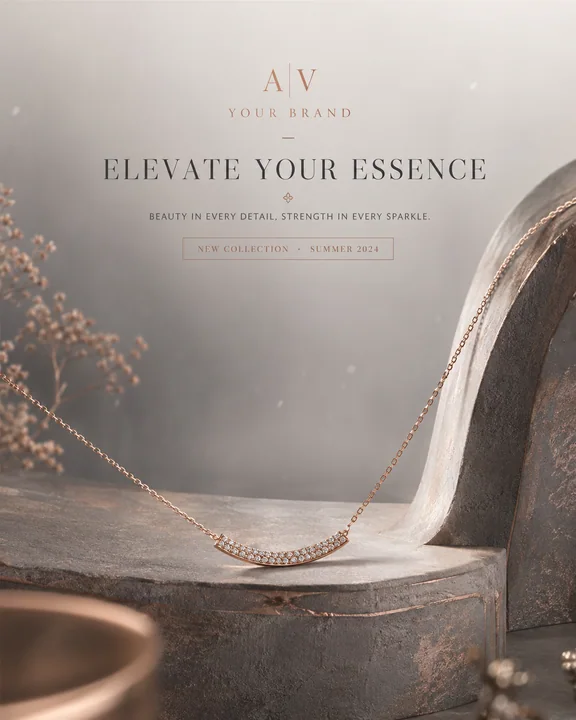
都会精致烟灰奶白玫瑰金珠宝品牌海报
商业摄影高级感极简美都会风珠宝设计
Case 4
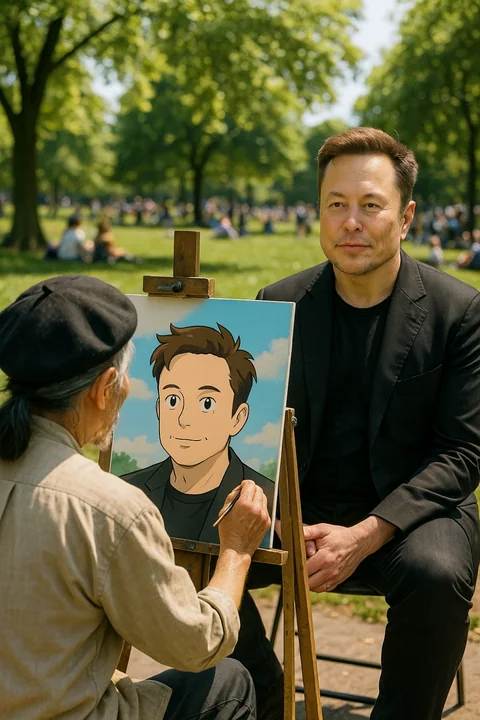
Musk is painting in the park.
Create a realistic outdoor scene where a Japanese painter is painting Musk. In the scene, the painter sits in front of an easel, while Musk sits across from him being painted (without any cartoon or anime style). The environment should be l
landscapecartoonnatureportrait