Case 12638
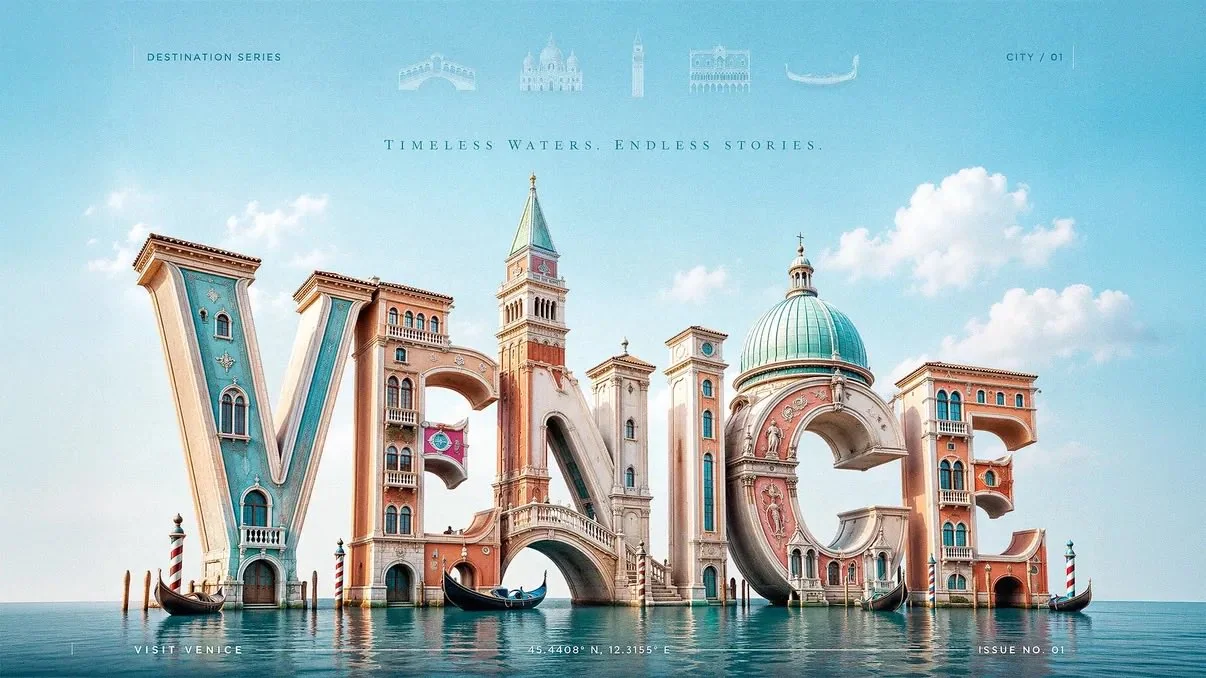
High-end 3D sculptural city landmark typography travel poster

Prompt
Create a 3:2 premium 3D typography-based travel poster for [CITY], blending luxury editorial destination advertising with realistic sculptural letterform architecture.

The city name “[CITY]” must be the dominant subject, occupying most of the canvas. Construct the letters as large, realistic, three-dimensional sculptural forms using glossy painted material, polished ceramic, soft plaster, carved stone, sunlit architectural surfaces, or city-specific materials. Each letter should physically embody the city’s identity: landmarks, skyline silhouettes, arches, towers, domes, bridges, windows, balconies, cultural patterns, coastal forms, or street details must grow directly out of the letterforms.

Landmarks should feel architecturally integrated into the letters, not pasted behind or around the word. A tower may rise from a vertical stem, a bridge may connect two letters, a dome may form the curve of a rounded letter, rooftops may shape the top edges, and windows or ornamental details may be embedded into the letter faces.

Use a low-angle three-quarter camera view so the typography feels monumental, cinematic, premium, and friendly. Place the 3D city-name sculpture slightly low in the frame, filling the central and lower portions of the poster, with generous negative space above.

At the top header, add a refined horizontal row of faded landmark symbols related to the city: tiny vector icons or translucent architectural glyphs. Keep them soft, elegant, and secondary, like premium magazine header details. Add each landmark name below its icon. Keep everything subtle and premium.

Remove any visible sun from the top-left corner. Use bright natural daylight with a soft key light from the upper-left, gentle fill light, clean highlights, subtle ambient occlusion, and soft contact shadows beneath the letters. The lighting should feel cheerful, fresh, and editorial, not dark or overly cinematic.

Use a bright city-adaptive palette based on [CITY]: coastal cities use aqua, coral, cream, and sunny yellow; historic cities use warm stone, terracotta, olive, and soft sky blue; tropical cities use turquoise, mango, palm green, and white; mountain cities use alpine blue, meadow green, snow white, and golden warmth; nightlife cities use violet, cyan, peach, and amber. Keep colors clean, optimistic, premium, and controlled.

Add subtle editorial text elements to enhance the poster:
small uppercase header text such as “DESTINATION SERIES”, a tiny location code like “CITY / 01”, delicate vertical divider lines, a minimal footer line such as “VISIT [CITY]”, and small microtype coordinates or issue number near the bottom edge. These text elements must remain quiet and secondary so the large 3D city name stays the hero.

The background should be clean and spacious, containing only a soft sky gradient, delicate clouds, or an abstract color field. Do not place extra landmarks in the background; all major city identity must come from the typography itself, except for the faded symbolic header row.

Style: premium editorial travel advertising, luxury magazine cover, realistic 3D typographic sculpture, bright modern optimism, cheerful wanderlust, cultural identity, clean art direction.

Negative prompt: avoid generic travel posters, separate landmark collages, landmarks pasted behind text, flat typography, cluttered backgrounds, visible sun in the top-left corner, excessive icons, dark cinematic lighting, muddy colors, cheap souvenir aesthetics, unreadable city name, distorted letters, random gradients, noisy textures, stock-template layouts, and overdecorated tourist graphics.
More prompts
Case 1040
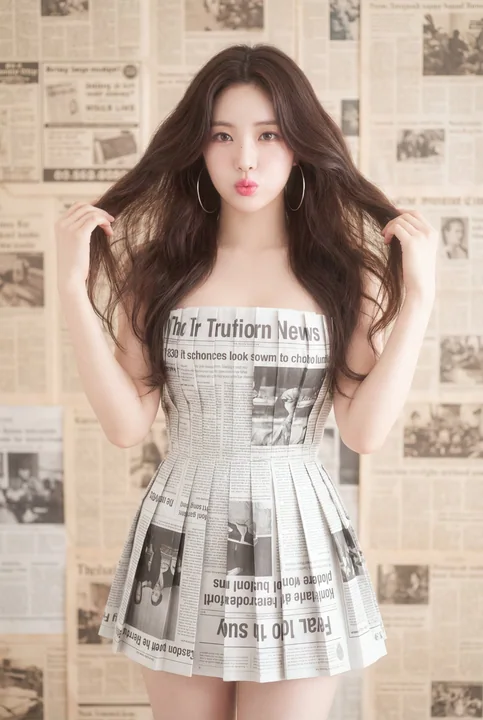
K-Pop Idol Newspaper Fashion Concept
{ "project_metadata": { "title": "K-Pop Idol Newspaper Fashion Concept", "style_preset": "Soft Focus Editorial Photography", "aspect_ratio": "3:4", "version": "2.1" }, "subject": { "identity": { "ethnicity":
landscapeminimalistphotographyproductarchitecturefashionretropaper-craftdata-vizinterior
Case 13456