Case 28078
高级社论排版海报设计指令
Prompt
Premium Editorial Poster Instructions

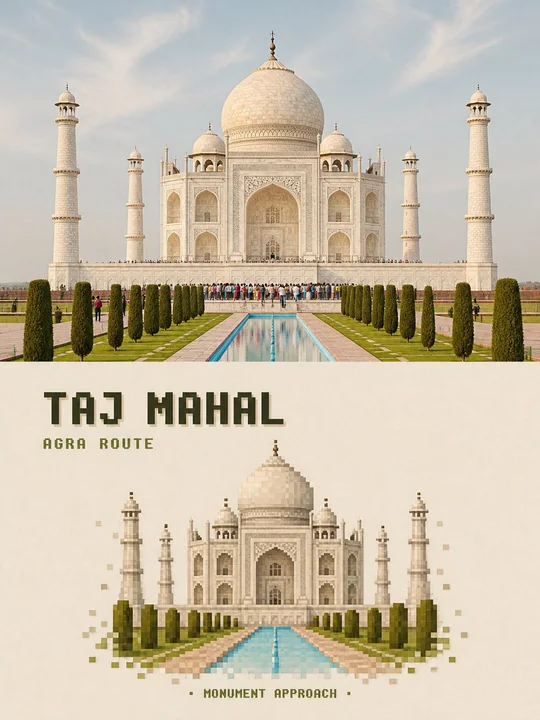
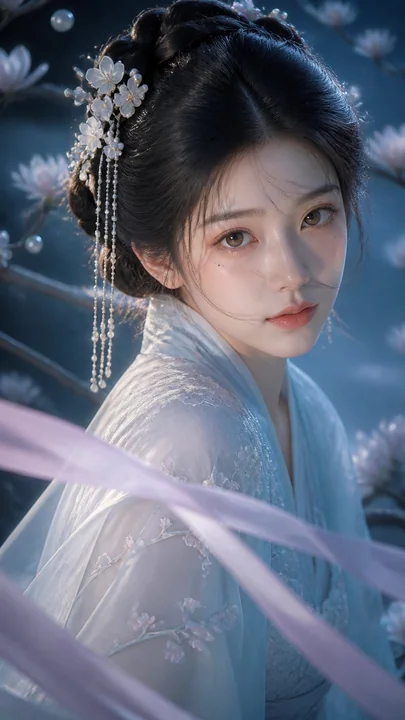
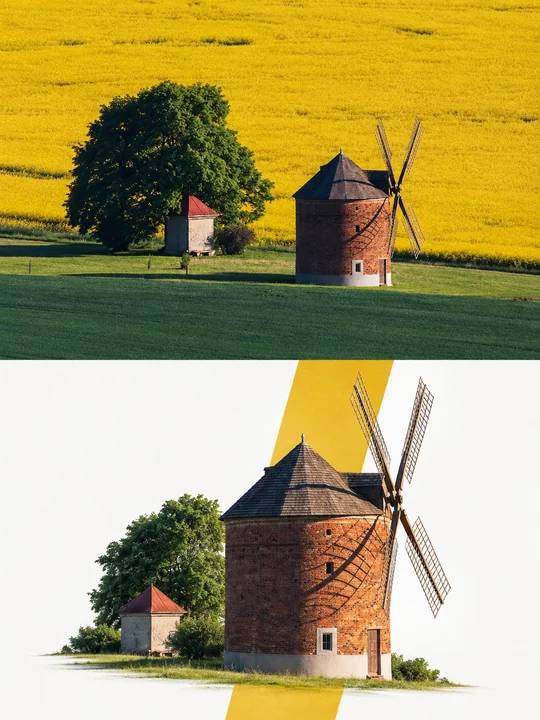
Each uploaded photo must be made into a separate, independent, premium editorial poster, and multiple photos must not be combined. Use a strict 3:4 vertical canvas. Split the canvas horizontally in the exact center: the upper half and the lower half each occupy 50% of the height, are equally wide, and equally high, with no alteration of proportion.

The upper half uses the original photo directly and must not be regenerated. Preserve the identity of the main subject, the human body or architectural structure, proportions, perspective, spatial relationships, texture, natural light and shadow, color, and environment in their entirety. Only slight cropping and restrained premium color grading are permitted; re-drawing the main subject, fictional light, HDR, excessive saturation, plastic texture, and fictional content are prohibited. When needing to adapt to the frame, only environmental areas such as sky, water surface, ground, walls, plants, or background can be extended.

The lower half extracts and reconstructs the "narrative core" of the photo: it can be a single primary subject, or a group of related elements that together embody the photo's identity, scale, action, o story relationship. Maintain its realistic, recognizable appearance, proportion, internal structure, texture, and relative position. Do not remove important related elements, and do not directly use rectangular photo cutouts. The reconstructed subject typically occupies 55%-80% of the width of the lower area. It should naturally extend based on the photo's primary direction and retain plausible ground, water lines, shadows, or softly dissipated edges to integrate into the background, avoiding a sticker-like or floating appearance.

Incorporate a narrow, low-saturation geometric color field behind or through the center of the subject, serving as a "critical window" between reality and editorial abstraction. The color of the window must be extracted from the original photo, and its orientation (horizontal, vertical, or diagonal) chosen based on the overall narrative direction.

The subject must actively pass through the window: part of it is within the color field, and part enters the open negative space, naturally crossing the window's boundary to create occlusion, penetration, and spatial depth. The window is not a frame or a card; it must not fully enclose the subject. Only one primary window is allowed; multiple color blocks, thick borders, rounded corners, strong gradients, and drop shadows are prohibited.

Use a white, cool white, very light gray, or near-white background for the lower half, coordinated with the photo. Employ a restrained asymmetrical composition and abundant negative space to establish a three-tier hierarchy:

Reconstructed subject or narrative composition

Low-saturation geometric window

高级社论海报指令

每张上传的照片必须制作成一张单独、独立的、高级社论海报,不得将多张照片合并。使用严格的 3:4 垂直画布。将画布在正中心水平分割:上半部分和下半部分各占高度的 50%,宽度相等,高度相等,比例不准改变。

上半部分直接使用原始照片,不得重新生成。完整保留主体身份、人体或建筑结构、比例、透视、空间关系、纹理、自然光影、颜色和环境。仅允许轻微裁剪和克制的高级调色;禁止重绘主体、虚构光线、HDR、过度饱和、塑料感纹理和虚构内容。当需要适应框架时,仅可扩展天空、水面、地面、墙壁、植物或背景等环境区域。

下半部分提取并重构照片的“叙事核心”:它可以是单个主要主体,或者是一组共同体现照片身份、比例、动作或故事关系的关联元素。保持其写实、可辨认的外观、比例、内部结构、纹理和相对位置。不要删除重要的相关元素,不要直接使用矩形的照片剪辑。重构的主体通常占据下方区域宽度的 55%-80%。它应根据照片的主要方向自然延伸,并保留合理的地面、水线、阴影或软化消散的边缘以融入背景,避免出现贴纸感或漂浮感。

在主体背后或穿过其中心加入一个狭窄、低饱和度的几何色块,作为现实与社论抽象之间的“关键窗口”。窗口的颜色必须从原始照片中提取,并根据整体叙事方向选择其方向(水平、垂直或对角线)。

主体必须主动穿过窗口:一部分在色块内,一部分进入开放的负空间,自然地跨越窗口边界以产生遮挡、穿透和空间深度。窗口不是框架或卡片;它绝不能完全包裹主体。仅允许一个主窗口;禁止使用多个色块、粗边框、圆角、强渐变和投影。

下半部分使用白色、冷白、浅灰色或近乎白色的背景,并与照片协调。采用克制的不对称构图和丰富的负空间,建立三层等级制度:

重构的主体或叙事构图

低饱和度几何窗口
Autres prompts
Case 28080
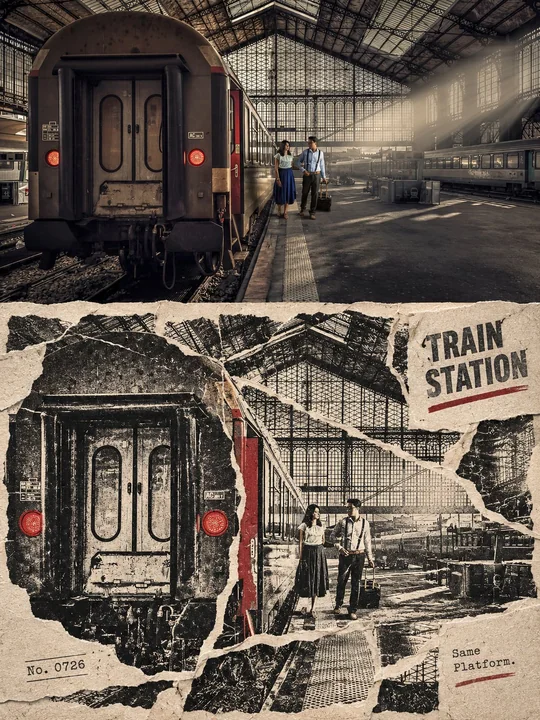
竖版上下对比撕纸轨道版画拼贴海报
Create a vertical 3:4 top-and-bottom comparison editing poster from the input photo. The upper half should completely preserve the real photographic texture, subject identity, and original composition of the input photo, without turning the
Case 16126
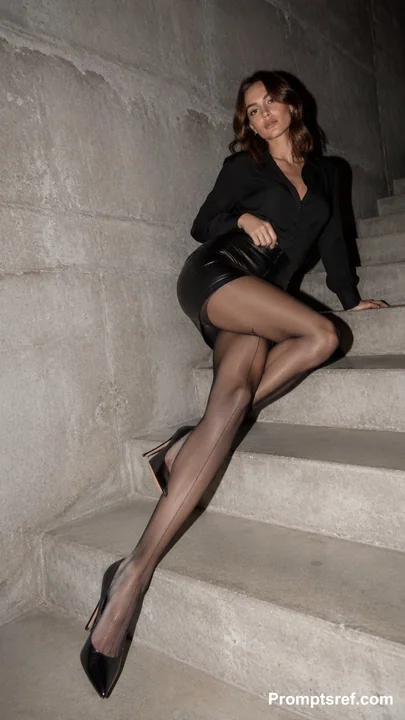
混凝土楼梯间社论风格丝袜人像摄影
Create a realistic editorial hosiery portrait in a raw concrete stairwell. Variables: Model: [style] Outfit: [top + bottom] Hosiery: [color + opacity + pattern] High heels: [style + color] An adult female model sits on the edge of a highe
Case 23