Case 24759
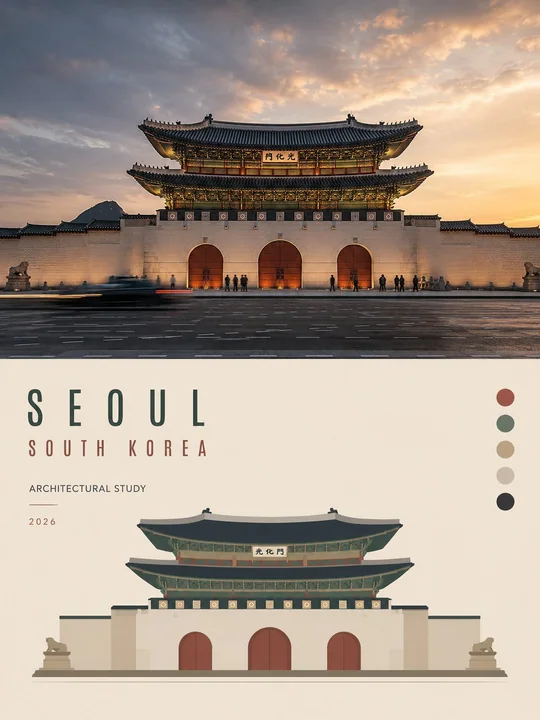
高端极简城市旅游海报设计
Prompt
Create a refined 3:4 vertical premium travel poster for [CITY].
First identify the city, country, architecture, landscape, climate, cultural character, and visual identity. Select ONE iconic and highly recognizable real-world landmark or subject as the HERO. Establish one believable photographic viewpoint and ensure every environmental element logically belongs to that location. Do not create a collage of unrelated landmarks.

COMPOSITION: Divide the poster into two perfectly equal sections: 50% top and 50% bottom. Use a warm beige, ivory, or soft-white background with generous negative space and precise alignment.

TOP — HERO PHOTOGRAPH: Create an ultra-realistic, high-end editorial photograph of the chosen landmark from a believable real-world viewpoint. Preserve accurate architecture, proportions, materials, surrounding environment, natural lighting, shadows, atmosphere, and geographic character. The scene should feel like premium architectural photography or a museum-quality travel photograph, with realistic textures and sophisticated cinematic composition.

BOTTOM — GRAPHIC INTERPRETATION: Reinterpret the same hero landmark as a sophisticated flat graphic design. Extract its most recognizable silhouette, contours, structural details, proportions, and distinctive architectural elements. Simplify them into elegant geometric shapes, flat color blocks, thin lines, restrained divisions, and generous negative space. The landmark must remain instantly recognizable without becoming a realistic illustration, 3D render, cartoon, or game graphic.

COLOR & TYPOGRAPHY: Derive a restrained palette of approximately 4–6 colors from the city's architecture, environment, and hero photograph. Keep the palette sophisticated with slightly muted saturation. Add minimal geometric accents only when they improve the composition.

Use limited, elegant typography such as: [CITY] [COUNTRY] ARCHITECTURAL STUDY 2026

Use Swiss/international graphic design, architectural exhibition posters, luxury editorial design, and museum visual identity as the aesthetic reference. Keep typography subtle, with generous letter spacing and strong visual hierarchy.

FINAL AESTHETIC: Sophisticated, minimal, contemporary, culturally authentic, artistic, and premium. The photographic upper half and graphic lower half should feel like two expressions of the same visual identity. The final result should resemble a world-class gallery poster, collector's travel print, architectural exhibition artwork, or luxury brand campaign.

Avoid landmark collages, inaccurate architecture, invented structures, excessive text, tourist-brochure aesthetics, neon, flashy effects, heavy gradients, glossy 3D rendering, cartoon styling, game UI, clutter, excessive decoration, and generic AI-generated cityscapes.

为[城市]创作一张精致的3:4垂直高端旅游海报。首先确定城市、国家、建筑、景观、气候、文化特征和视觉身份。选择一个具有代表性且高度可辨识的现实世界地标或主题作为核心主体。确立一个可信的摄影视角,并确保每个环境元素在逻辑上都属于该位置。不要创建不相关地标的拼贴画。构图:将海报完美地分为两个相等的部分:顶部50%和底部50%。使用温暖的米色、象牙色或柔和的白色背景,并留有大量的负空间和精确的对齐。顶部 —— 核心照片:从一个可信的现实世界视角为选定的地标创作一张超写实的高端社论照片。保留准确的建筑、比例、材质、周围环境、自然光照、阴影、氛围和地理特征。场景应感觉像高端建筑摄影或博物馆品质的旅游照片,具有真实的纹理和复杂的电影感构图。底部 —— 图形诠释:将同一个核心地标重新诠释为精致的平面图形设计。提取其最易辨识的轮廓、线条、结构细节、比例和独特的建筑元素。将它们简化为优雅的几何形状、扁平色块、细线、克制的划分和大量的负空间。地标必须保持即刻可辨识,且不能变成写实插画、3D渲染、卡通或游戏图形。颜色与排版:从城市的建筑、环境和核心照片中提取大约4–6种颜色的克制色调。保持色调精致,饱和度略微降低。仅在能改善构图时添加极简的几何点缀。使用有限且优雅的排版,例如:[城市] [国家] 建筑研究 2026。以瑞士/国际平面设计、建筑展览海报、奢侈品社论设计和博物馆视觉身份作为审美参考。保持排版含蓄,具有宽大的字间距和强大的视觉层级。最终审美:精致、极简、当代、文化真实、艺术且高端。摄影的上半部分和图形的下半部分应感觉像是同一视觉身份的两种表达。最终结果应类似于世界级画廊海报、收藏级旅游版画、建筑展览艺术品或奢侈品牌广告。避免地标拼贴、不准确的建筑、虚构的结构、过多的文字、旅游手册审美、霓虹灯、闪亮效果、重度渐变、抛光3D渲染、卡通风格、游戏UI、杂乱、过度的装饰以及平庸的AI生成城市场景。
Autres prompts
Case 23756
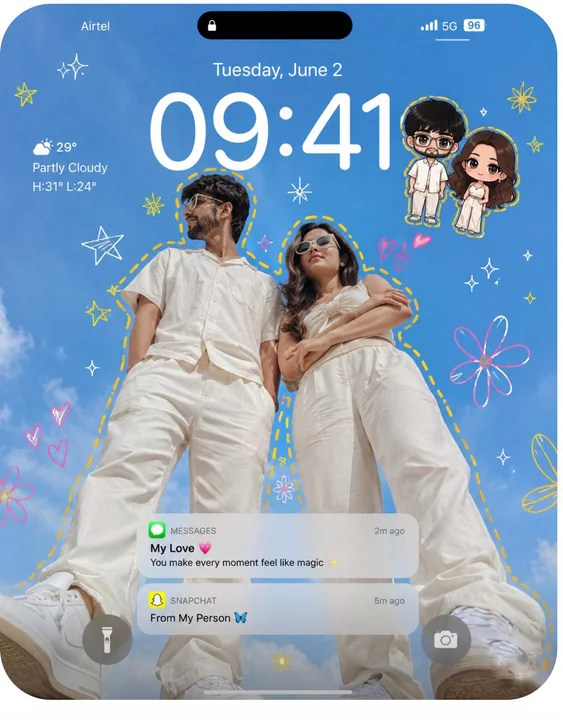
超现实苹果风情侣涂鸦手机锁屏壁纸
Create an ultra-realistic iPhone lockscreen wallpaper. Transform the couple into trendy main characters photographed from an extreme low-angle perspective as if the camera is placed on the ground looking upward. Keep the exact same faces an
Case 28066
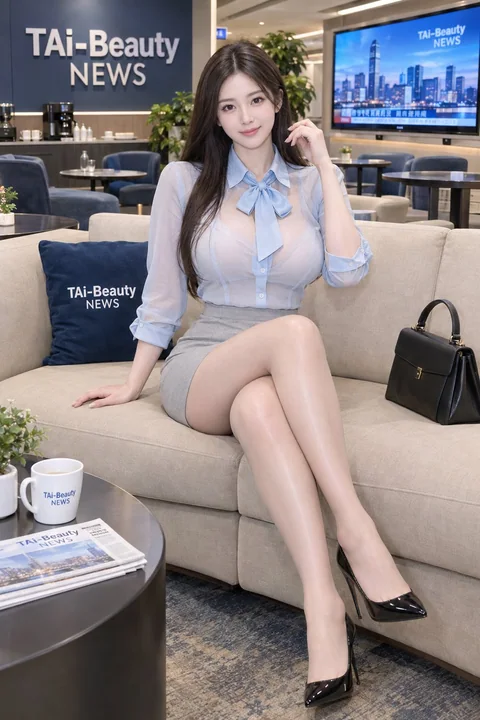
职场新闻演播室优雅女性时尚写真
## [Subject Description] An adult woman with fair skin and naturally full breasts, elegant feminine figure, seated gracefully on a beige upholstered sofa with her legs crossed. She has long, straight dark-brown hair with a center part, flo
Case 23743