Case 28012
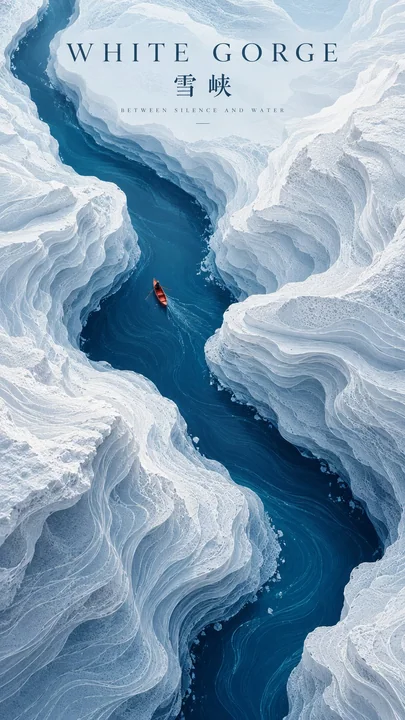
等高线抽象流动中国风景观海报
Prompt
【Title】[TITLE]
【Subtitle】[SUBTITLE]
【Landscape】[canyon / river / cloud mountains / glacier / desert / coast]
【Main Palette】[PRIMARY COLORS]
【Scale Anchor】[tiny traveler / canoe / boat / small building]
【Visual Destination】[moon / distant light / horizon / mountain pass]
【Aspect Ratio】9:16

Create a refined vertical art poster that transforms a natural landscape into a flowing topographic world.

Build the terrain from hundreds of long, smooth, continuous contour lines that follow the shape, depth, and movement of the land. The lines should feel like a fusion of topographic maps, silk threads, and abstract Chinese landscape painting — directional, elegant, and highly organized rather than random decorative waves.

Use one strong visual path, such as a river, valley, ridge, cloud road, or negative-space corridor, to guide the eye from foreground to distance.

Keep the natural environment monumental and place only one or two extremely small human figures, boats, or architectural elements as scale anchors.

Use clear spatial hierarchy:
dense flowing lines in the main terrain,
calmer negative space around the visual path,
simpler and softer details in the distance.

Control the palette with 2–4 dominant colors rather than evenly distributed rainbow tones. Use large, clean color fields and let color changes reinforce depth and movement.

Add minimal editorial typography:
[TITLE]
[SUBTITLE]
[SHORT POETIC LINE]

Typography should feel like a contemporary exhibition poster or art-book cover — elegant, widely spaced, restrained, and secondary to the landscape.

The final image should feel poetic, monumental, calm, and highly designed, combining Eastern landscape aesthetics, contour-line abstraction, negative space, and modern editorial composition.

Avoid realistic landscape photography, random waves, chaotic line patterns, excessive texture, generic fantasy CGI, plastic 3D surfaces, watermarks, logos, copyright text, or copied reference typography.

【标题】[TITLE]
【副标题】[SUBTITLE]
【景观】[峡谷 / 河流 / 云山 / 冰川 / 沙漠 / 海岸]
【主色调】[主色]
【比例锚点】[微小旅行者 / 独木舟 / 小船 / 小型建筑物]
【视觉终点】[月亮 / 远方的光 / 地平线 / 山口]
【宽高比】9:16

创建一个精致的垂直艺术海报,将自然景观转化为流动的地形世界。

由数百条长而光滑、连续的等高线构建地形,这些线条遵循土地的形状、深度和运动。线条应当感觉像是地形图、丝线和抽象中国山水画的融合——具有方向感、优雅且高度有序,而非随机的装饰性波动。

使用一条强有力的视觉路径,例如河流、山谷、山脊、云道或负空间廊道,引导视线从前景移动到远方。

保持自然环境的宏伟感,仅放置一两个极小的的人物、船只或建筑元素作为比例锚点。

使用清晰的空间层级:
主要地形中密集的流动线条,
视觉路径周围较平静的负空间,
远方更简单、更柔和的细节。

控制色调,使用 2–4 种主导颜色,而不是均匀分布的彩虹色调。使用大面积、洁净的色块,并让色彩变化加强深度感和运动感。

添加极简的编辑排版:
[标题]
[副标题]
[短诗行]

排版应当感觉像现代展览海报或艺术书籍封面——优雅、间距宽阔、克制,且次于景观。

最终图像应当具有诗意、宏伟、平静且高度设计感,结合了东方山水美学、等高线抽象、负空间和现代编辑构图。

避免写实的风景摄影、随机的波浪、混乱的线条模式、过多的纹理、平庸的奇幻 CGI、塑料感的 3D 表面、水印、徽标、版权文本或复制的参考排版。
More prompts
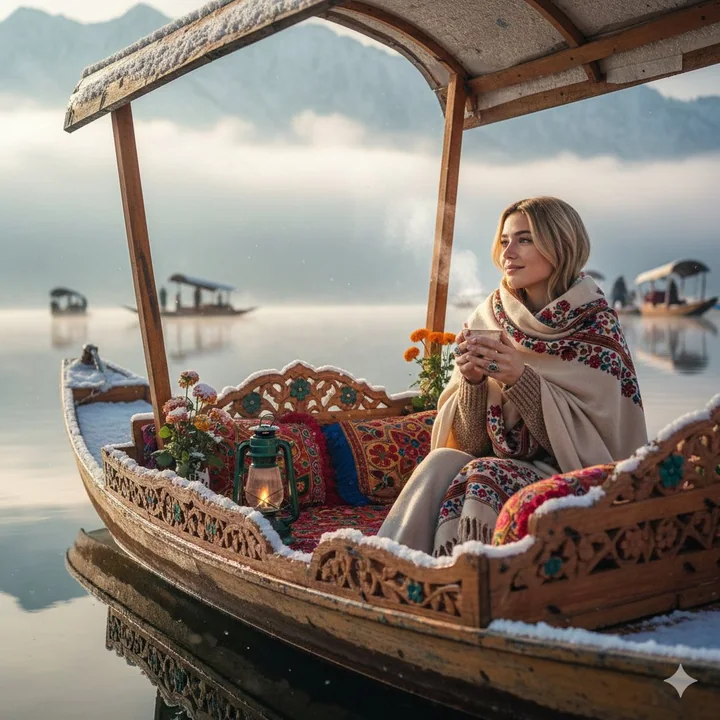
Case 13050
Sydney Sweeney enjoys the stunning snowy scenery of Kashmir
Sydney Sweeney peacefully enjoying a magical winter morning on Dal Lake, Kashmir, sitting inside a beautifully carved traditional wooden shikara covered with a light layer of fresh snow. Gentle snowfall in the air, soft fog floating above t
电影质感克什米尔明星人像冬日雪景唯美光影
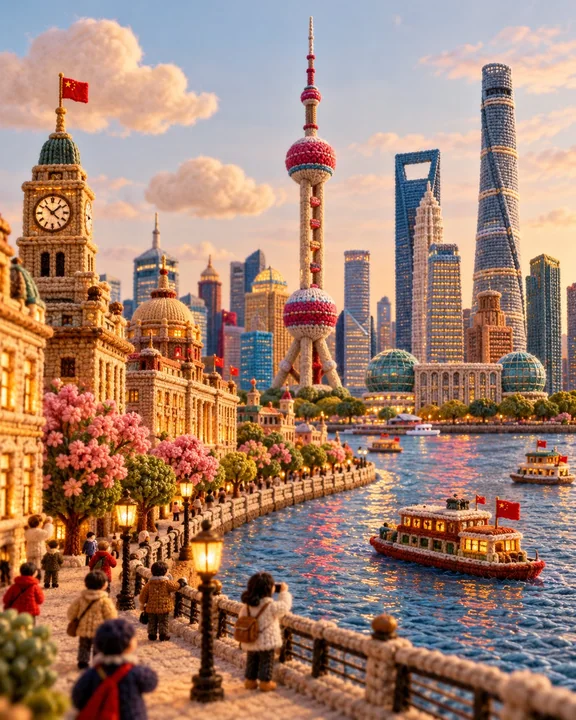
Case 28060
针织毛绒微缩景观建筑旅行海报
Create a premium 4:5 vertical architectural travel artwork for [COUNTRY / CITY / LOCATION / LANDMARK]. TEXT-TO-IMAGE ONLY — generate the entire scene creatively from [COUNTRY / CITY / LOCATION / LANDMARK] alone. No reference image required