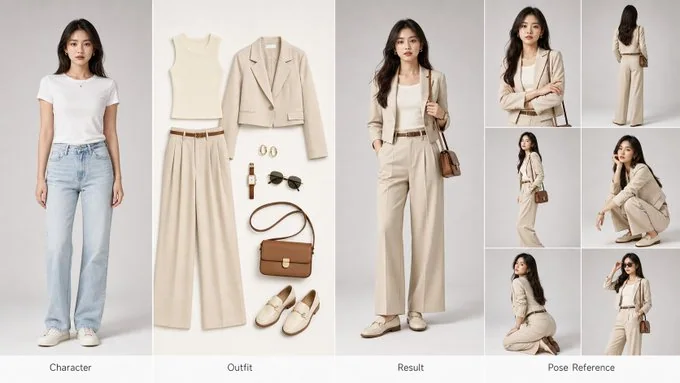
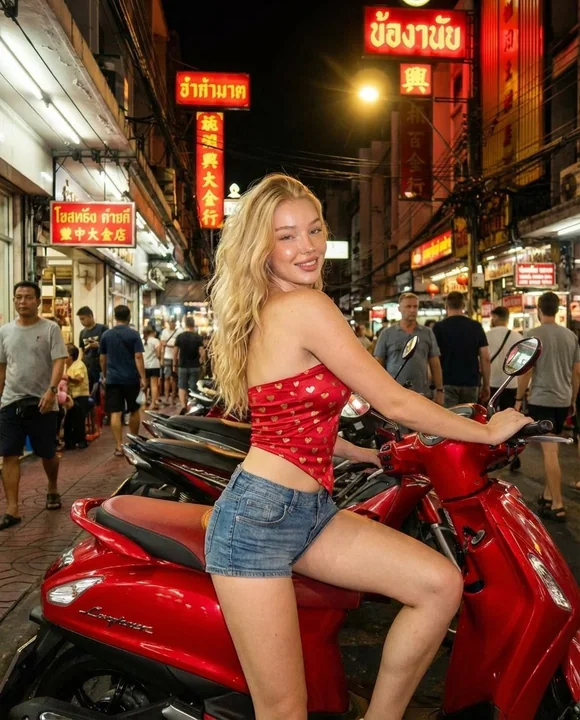
Case 2317
Научная брошюра: Эпос грандиозных достижений
微距科学史纸雕立体书学者
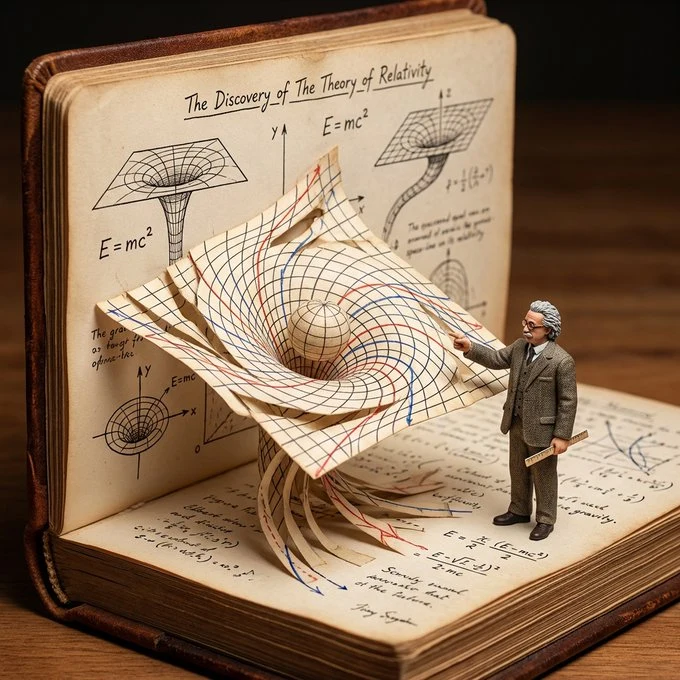
Prompt
<instruction>

Вход A представляет собой важное научное открытие или теорию (например, Структура ДНК, Теория относительности, Герм теория, Гелиоцентризм).
Разложите науку, чтобы создать 3 Нарративных актива:
 Модель (Центральный элемент): Определите физическую форму, представляющую теорию.
(например, ДНК -> Двойная спираль. Относительность -> Изогнутая гравитационная решетка/сфера. Бактерии -> Микроскопическая клетка. Гелиоцентризм -> Солнечная система).
 Исследователи (Актёрский состав): Определите ключевых ученых.
(например, Уотсон, Крик и Франклин. Эйнштейн. Пастер. Коперник).
 Данные (Диаграммы): Определите визуальный язык заметок.
(например, Химические связи, Математические формулы, Биологические наброски, Орбитальные пути).
2.   Контейнер (Лабораторный журнал):
Цель: "Научная объемная сцена с элементами выдвигающихся частей" фотография.
 Объект: Гигантский, антикварный кожаный журнал.
 Поза: Книга стоит вертикально, открыта под строгим углом 90 градусов (L-образная).
Вертикальная страница: Выступает в роли доски/диаграммы.
Горизонтальная страница: Выступает в роли лабораторного пола.
3. Скульптура (Бумажная теория):
 Строительство: "Модель" (шаг 1) поднимается вертикально из центрального сгиба книги.
 Материал: Модель полностью изготовлена из полос бумаги самой книги.
Детали: Полосы бумаги скручены, сложены и соединены, чтобы сформировать структуру (например, скрученная лестница ДНК).
 Акцент: Тонкое использование цветной чернила или карандаша (Красный, Синий, Желтый) на бумажной модели для различения частей (например, пары оснований или атомов).
4.  Нарративный масштаб (Ученые):
 Фигуры: Миниатюрные фигурки в масштабе 1:35 "Исследователей" стоят на горизонтальной странице.
 Одежда: Одежда соответствующего периода (например, лабораторные халаты 1950-х годов, викторианские костюмы, ренессансные туники).
Действие: Они взаимодействуют с гигантской бумажной моделью — указывают, измеряют маленькими инструментами или держат миниатюрные блокноты.
5. Визуал:
 Фон: Вертикальная страница за моделью украшена ручными чертежами и диаграммами, связанными с открытием.
 Заголовок: Ручной текст в верхней части страницы: "Открытие [Вход A]".
 Передний план: Горизонтальная страница усеяна размашистыми заметками, формулами и подписями.
Выход: Одно изображение, соотношение сторон 1:1, макрофотография, "Академический исторический" стиль, высокая текстурная точность.
</instruction>
Другие промпты
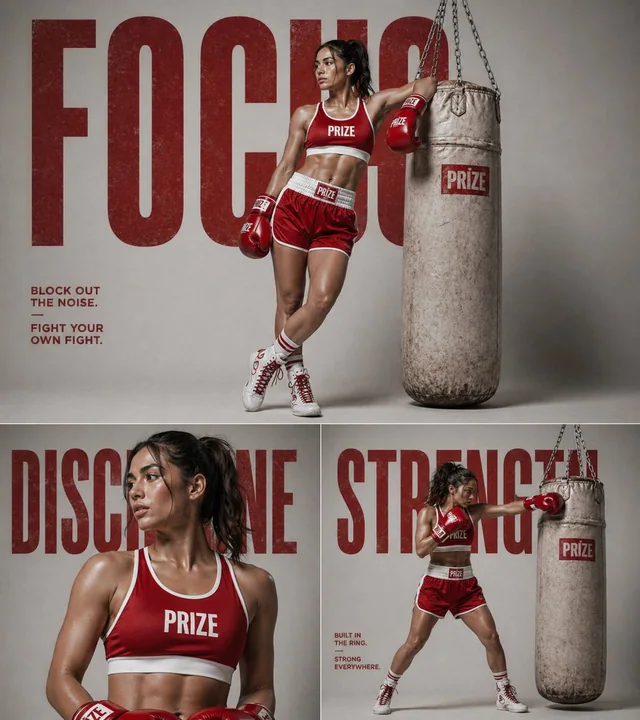
Case 11261
Минималистичный постер для женской боксерской тусовки в красно-белом стиле
Создайте постер по boxing-тематике премиум-класса в формате коллажа из трёх панелей. Верхняя панель: Сильная спортивная женщина-боксёр в красном боксёрском костюме (спортивный бельё, шорты, боксёрские перчатки, высокие носки, боксёрские бот
健身极简动感大片拳击
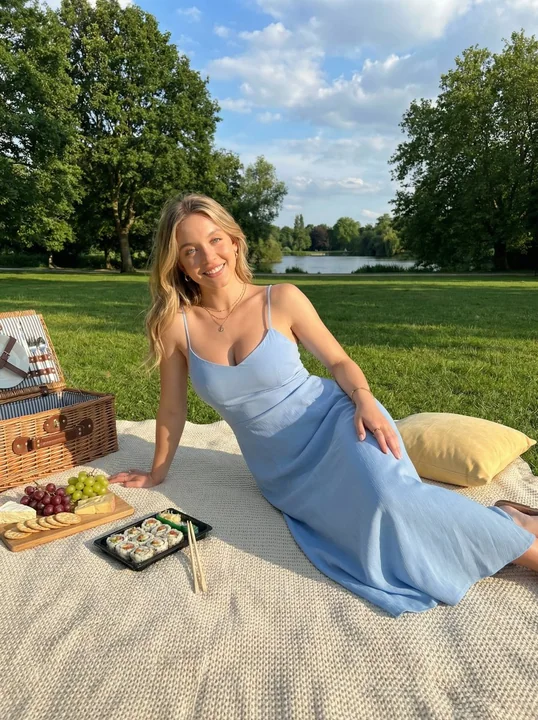
Case 11284
Солнечный пикник и девушка с золотыми волосами
{ "image_generation_prompt": { "subject": { "description": "Красивая блондинка, светлая кожа, мягкие объемные блондинистые волосы, естественный легкий макияж, узнаваемые черты лица.", "pose": "Расслабленная полуопущенная поза на коврике для