Case 27052
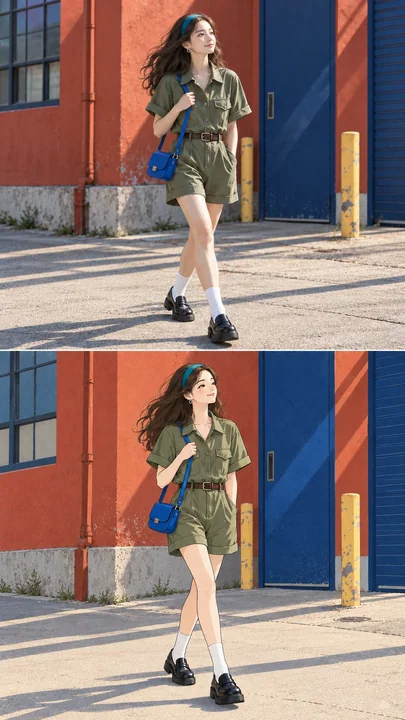
街拍照片转杂志感时尚插画对比图
时尚街拍极简穿搭插画
Prompt
Use the uploaded real street style photo as the source.

Create one vertical 9:16 comparison image:

Top 50%: original photo
Bottom 50%: AI-filtered editorial fashion illustration

Keep the person clearly recognizable. Preserve the original hairstyle, body proportions, pose, movement, outfit colors, clothing silhouettes, shoes, bags, accessories, and the overall mood of the photo.

Do not simply apply a cartoon effect or trace the photograph.

Redraw the person as a polished editorial fashion illustration with slightly refined, naturally elongated proportions, clean hand-drawn linework, matte color fills, subtle tonal variation, and soft handcrafted texture.

The outfit is the priority. Carefully preserve important fashion details such as:

clothing shape and layering, shoulder line, waistline, skirt or trouser length, pockets, collars, cuffs, footwear, bags, glasses, jewelry, and other recognizable accessories.

Simplify the facial features into a tasteful fashion illustration style while keeping the original expression and personality. Avoid oversized anime eyes, chibi proportions, doll-like faces, or overly cute expressions.

Transform the surrounding environment into the same illustration language instead of removing it. Keep the most important architecture, storefronts, windows, streets, trees, shadows, and environmental color blocks so the filtered image still feels like the same place and the same moment.

Simplify unnecessary background details while preserving the original composition, camera angle, lighting direction, and spatial relationships.

Use clean continuous outlines, soft matte colors, subtle paper texture, restrained hand-painted details, and a modern Japanese editorial fashion illustration feel.

The result should feel stylish, natural, contemporary, and collectible, like an illustrated OOTD page from a fashion or lifestyle magazine.

Avoid photorealistic rendering, glossy 3D, heavy watercolor bleeding, thick oil-paint texture, excessive linework, generic cartoon styling, or changing the outfit into a different design.

Keep the top and bottom images closely matched in crop, subject scale, pose, and composition.

The two sections must each occupy exactly 50% of the final image.

Do not add any text, titles, labels, logos, brand names, watermarks, borders, Before/After labels, or decorative typography.

使用上传的真实街拍照片作为来源。

创建一张垂直 9:16 的对比图像:

顶部 50%:原始照片
底部 50%:AI 滤镜处理后的社论时尚插画

保持人物清晰可辨。保留原始发型、身体比例、姿势、动作、服装颜色、服装轮廓、鞋子、包袋、配饰以及照片的整体氛围。

不要简单地应用卡通效果或描摹照片。

将人物重新绘制为精致的社论时尚插画,具有略微精炼、自然拉长的比例,干净的手绘线条,哑光色填充,微妙的色调变化和柔软的手工纹理。

服装是首要任务。仔细保留重要的时尚细节,例如:

服装形状和层叠、肩线、腰线、裙子或裤子的长度、口袋、衣领、袖口、鞋履、包袋、眼镜、珠宝和其他可辨认的配饰。

将面部特征简化为高雅的时尚插画风格,同时保持原始的表情和个性。避免过大的动漫眼睛、Q 版比例、娃娃脸或过度可爱的表情。

将周围环境转换为相同的插画语言,而不是将其移除。保留最重要的建筑、店面、窗户、街道、树木、阴影和环境色块,以便过滤后的图像仍然感觉像是同一个地方和同一个时刻。

简化不必要的背景细节,同时保留原始构图、相机角度、光照方向和空间关系。

使用干净的连续轮廓、柔和的哑光颜色、微妙的纸张纹理、克制的手绘细节,以及现代日系社论时尚插画感。

结果应该感觉时尚、自然、当代且具有收藏价值,就像时尚或生活方式杂志中的插画 OOTD 页面。

避免写实渲染、光泽 3D、沉重的重水彩晕染、厚油画纹理、过多的线条、通用的卡通风格,或将服装改为不同的设计。

保持顶部和底部图像在剪裁、主体比例、姿势和构图上紧密匹配。

两个部分必须各占最终图像的恰好 50%。

不要添加任何文字、标题、标签、徽标、品牌名称、水印、边框、Before/After 标签或装饰性排版。
Autres prompts
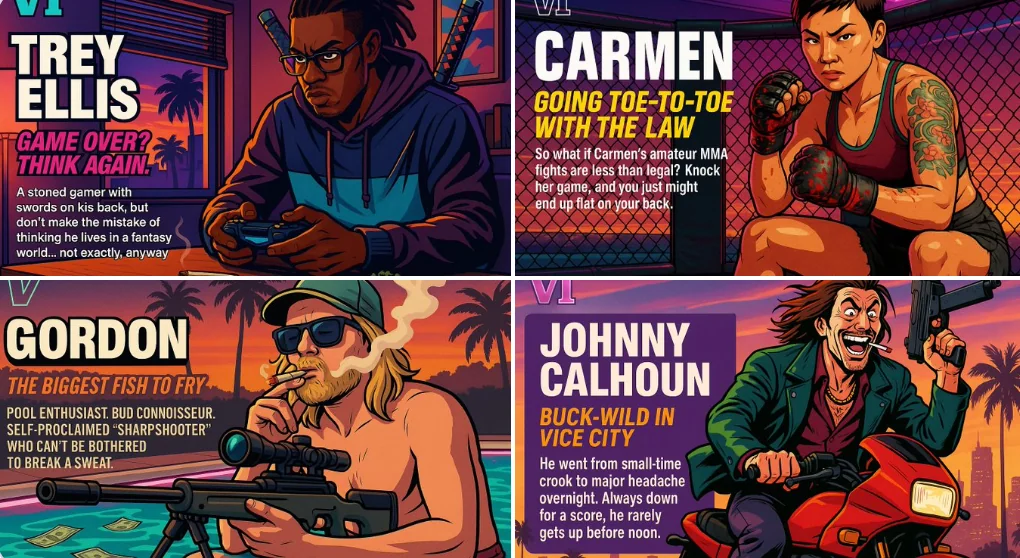
Case 5
Créez votre propre personnage GTA
**VI** **LUCIAN "SUNSET" VARGAS** *“Where the sky meets the street — and I’m in the middle.”* Born under a blood-red sunset, Lucian Vargas is a smooth-talking con artist with a heart of gold (or at least, a wallet full of stolen cash).
characterlandscapeneongaming
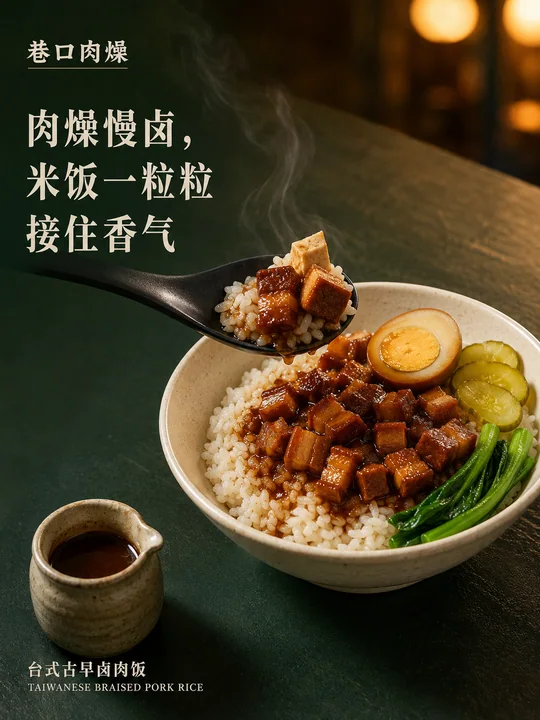
Case 15770
巷口肉燥台式古早卤肉饭商业海报
美食摄影商业海报卤肉饭台式美食墨绿风格