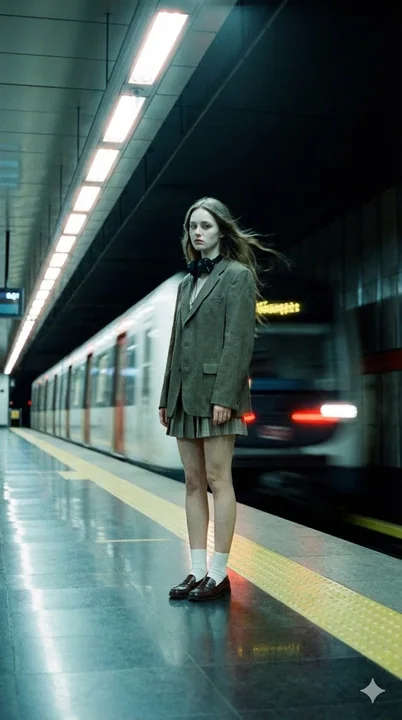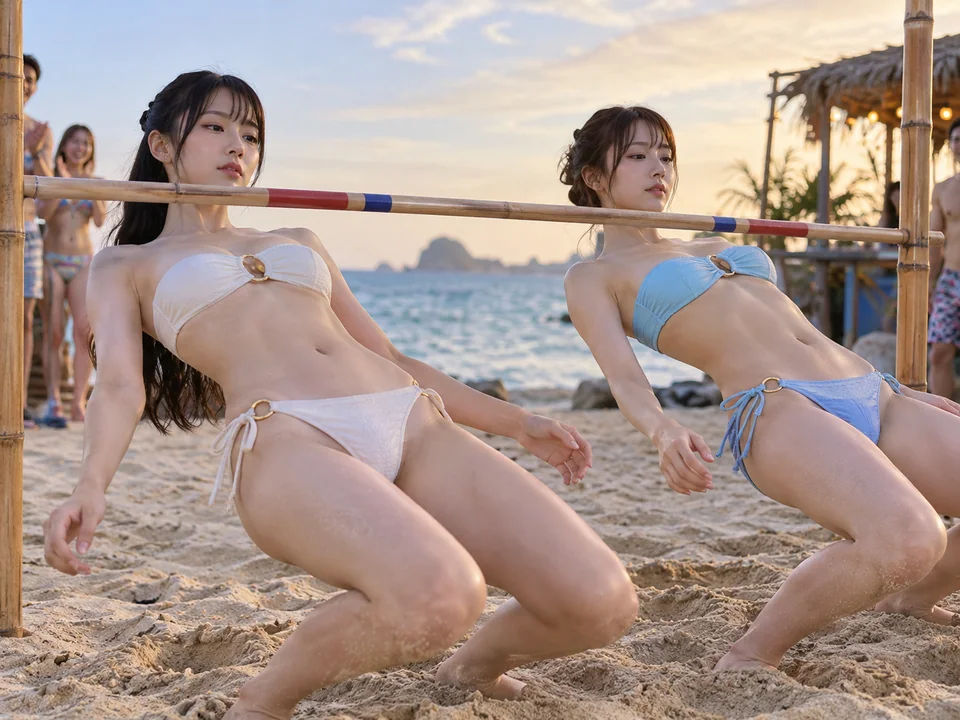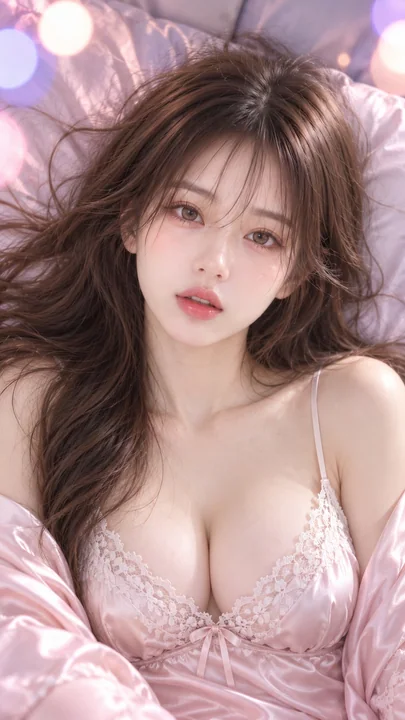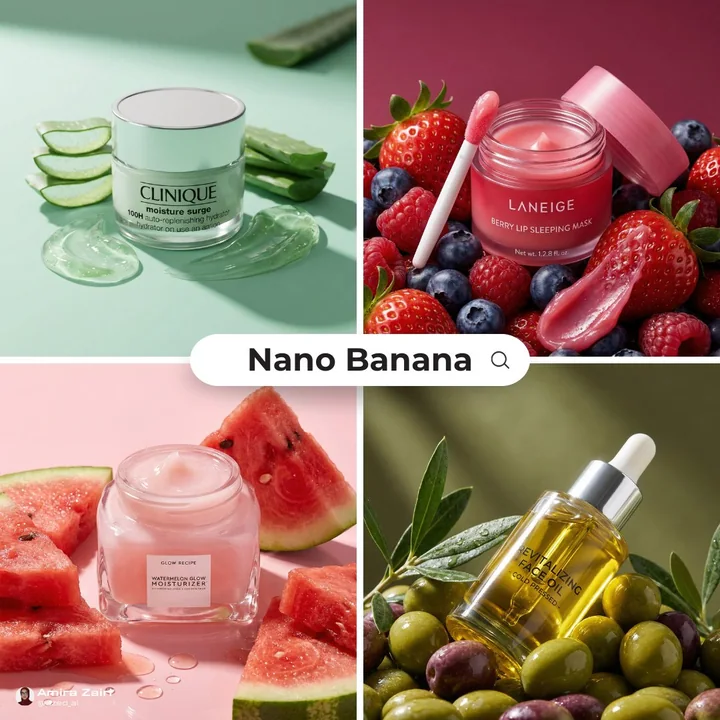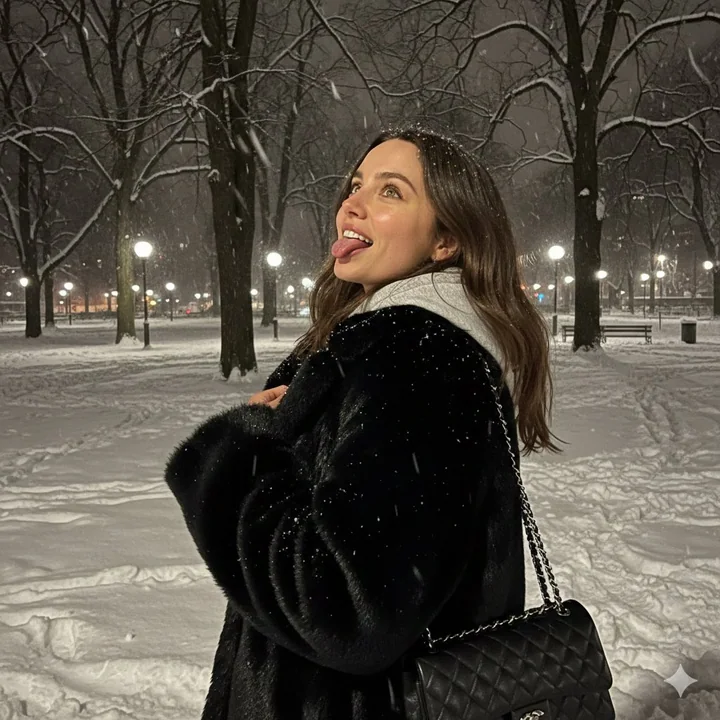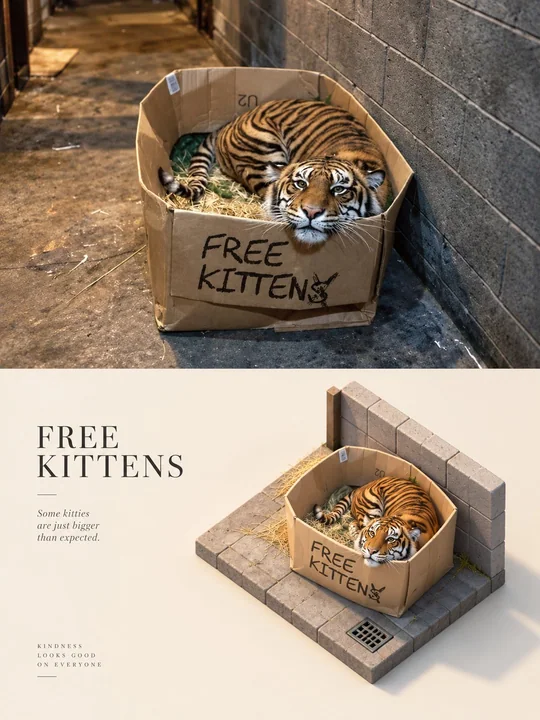
Please turn each photo I upload into an individual high-end design poster, no multi-image stitching, output each photo separately. Use a 3:4 vertical composition overall, with the top and bottom regions strictly 1:1 in height, each occupying 50% of the frame. The top half retains the original photo, maintaining the identity of the subject, structure, posture, realistic texture, natural lighting, and original color atmosphere, with only slight high-end color grading to give it the texture of an art magazine or exhibition image. To adapt to the frame, the environmental background can be naturally extended, but the subject must not be stretched, distorted, or changed. The bottom half extracts only the most recognizable subject, outline, structure, posture, and narrative relationship of the photo; do not copy the photo completely, do not keep all objects, and do not redraw every object; actively delete most irrelevant backgrounds and details, keeping only the core information that best represents the original theme, and make a new artistic judgment. Even if the original composition is poor, the background is messy, or the subject is small, it must be re-directed into a valid work through deletion, reorganization, cropping, scale changes, and white space. The aesthetic logic of the bottom half is reconstructed as Stylized Isometric 3D Architectural Diorama / Orthographic Axonometric 3D Render. Use an orthographic camera + three-quarter top-down axonometric perspective, approximately 30°–40° top-down and about 45° horizontal rotation, seeing the front, side, and top simultaneously, presenting a sense of space like a model, sand table, or miniature world. Do not make it a realistic photographic perspective, nor a pure map or elevation. Reconstruct the subject into a stylized 3D miniature scene: with the subject as the core, retain only a few necessary environmental clues, such as terrain, roads, water, platforms, plants, buildings, or objects, to form a complete but highly summarized small world. The overall style is stylized 3D, not low-poly, and not realistic CG; emphasize regular geometry, moderate rounded corners, simplified materials, toy-like proportions, clean blocks, delicate layers, and soft lighting; it can have exquisite details, but cannot be complex or crowded. The composition maintains a small-scale subject + massive amount of intentional white space. The miniature scene does not have to be centered and can be freely arranged according to the subject's direction, proportion, and visual center of gravity, and can be eccentric, edge-aligned, or partially cropped. White space is not an empty background but a part of the image, working with the subject to create a sense of breathing, space, and high-end order. Better to have less than too much. The color scheme extracts 2–4 of the most vital and memorable colors from the top photo and reformulates them, moderately brightening, purifying, and removing gray to form a more bright, clean, and healing comprehensive color relationship. The overall tone remains fresh but not eye-piercing, warm but not cloying, and can naturally transform into refreshing color systems such as sky blue, lake cyan, vegetation green, cream yellow, apricot orange, coral pink, etc.; avoid gray-dirty, dark, old, fluorescent colors, and cheap plastic feel. Text is used only as minimal editorial intervention, with no language restrictions. According to the subject, location, action, emotion, or metaphor, freely generate a small number of titles, short sentences, or notes, quietly landing on the white space area to form an exquisite graphic relationship with the image. The overall presentation is a stylized axonometric 3D miniature scene, clear spatial relationships, exquisite model feel, vivid colors, massive amount of artistic white space, and editorial layout which together constitute a high-end visual effect. Avoid complete copying of the original image, complex stacking, realistic perspective, low-quality low-poly, cheap game feel, plastic feel, filling up the screen, and templated effects. 请将我上传的每一张照片分别制作成一张独立的高级设计海报,不多图拼接,每张照片单独输出。整体采用 3:4 竖版构图,上下两个区域高度严格 1:1,各占画面 50%。 上半部分保留原始照片,保持主体身份、结构、姿态、真实质感、自然光影和原有色彩氛围,仅进行轻微高级调色,使其具有艺术杂志与展览图像质感。为适配画幅,可自然扩展环境背景,但不得拉伸、扭曲或改变主体。 下半部分只提取照片中最具识别性的**主体、轮廓、结构、姿态与叙事关系**,不要完整复制照片,不要保留所有对象,不要逐物转绘;主动删去大部分无关背景与细节,只保留最能代表原始主题的核心信息,并重新做美术判断。哪怕原图构图差、背景乱、主体小,也要通过删减、重组、裁切、尺度变化和留白,把它重新导演成一张成立的作品。 下半部分的美学逻辑重构为 **Stylized Isometric 3D Architectural Diorama / Orthographic Axonometric 3D Render**。采用**正交相机 + 四分之三俯视轴测视角**,大约 30°–40° 俯视、45° 左右水平旋转,同时看到正面、侧面和顶部,呈现模型、沙盘、微缩世界般的空间感。不要做成真实摄影透视,也不要做成纯地图或立面图。 将主体重构为一个**风格化 3D 微缩场景**:以主体为核心,只保留少量必要的环境线索,如地形、道路、水体、平台、植物、建筑或器物,使其组成一个完整但高度概括的小世界。整体是 **stylized 3D**,不是 low-poly,也不是写实 CG;强调规整几何、适度圆角、简化材质、玩具化比例、干净体块、细腻层次与柔和光照,可有精致细节,但不能复杂拥挤。 构图保持**小尺度主体 + 超大量有意识的留白**。微缩场景不必居中,可根据主体方向、比例和视觉重心自由安排,可偏心、贴边或局部裁切。留白不是空背景,而是画面的一部分,要与主体共同形成呼吸感、空间感和高级秩序。宁可少,不要满。 配色从上方照片中提取 **2–4 种最有生命力、最有记忆点的颜色**重新调制,适度提亮、提纯、去灰,形成更明快、干净、治愈的综合色关系。整体保持鲜活但不刺眼,温暖但不甜腻,可自然转化为天空蓝、湖水青、草木绿、奶油黄、杏橙、珊瑚粉等清爽色系;避免灰脏、暗沉、陈旧、荧光色和廉价塑料感。 文字只作极少量编辑性介入,不限制语种。可根据主体、地点、动作、情绪或隐喻,自由生成少量标题、短句或注记,安静地落在留白区域,与画面形成精致的图文关系。 整体呈现**风格化轴测 3D 微缩场景、清晰空间关系、精致模型感、鲜活配色、超大量艺术留白与编辑式排版**共同构成的高级视觉效果。避免完整复制原图、复杂堆积、写实透视、低质 low-poly、廉价游戏感、塑料感、画面填满和模板化效果。

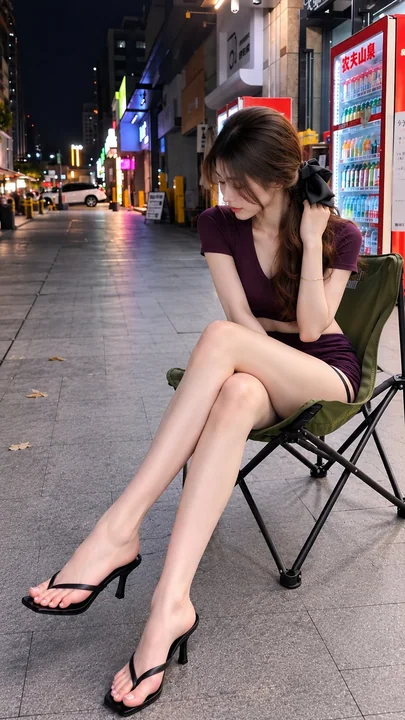
Subject: White wink in the night window Main Body: A vertical composition photograph of an adult woman standing in the center of an indoor scene with a visible night view, wearing a white crop top and beige cargo pants, winking at the came

雷暴期间的一座密集工业炼油厂,金属栈道和管道在火海与蒸汽之上形成了迷宫。被闪烁的警示灯照亮的蒙面浪人,正面对抗着一头巨大的机械巨兽,这头巨兽拥有液压肢体,胸口燃烧着熔炉。镜头紧紧跟随浪人,他在摇晃的栈道上冲刺,建筑结构在怪物的重压下发出呻吟并发生变形。火花和蒸汽不断遮挡画面,怪物的肢体砸穿栏杆和储罐,引发爆炸,使镜头剧烈晃动偏离轴心。快速、摇晃的特写镜头捕捉到浪人从挥舞的金属臂下滑过,并利用链条和缆绳将自己弹射向上。在最后的动作中,镜头以令人眩晕的向上螺旋方式追逐着他爬上怪物

设计一张《阿甘正传》的复古电影票根海报,风格为黑白木刻版画/油印版画。 画布:竖版3:4比例,纯黑色背景。 ━━━━━━━━ 整体布局 ━━━━━━━━ 左侧(占宽20%):垂直排列3张完全相同的缩小版票根, 像胶片负片一样上下叠放,每张之间用圆形打孔分隔。 右侧(占宽80%):1张大幅主票根,竖向排列,填满画布全高。 左侧与右侧内容100%一致,左侧仅为等比缩小3倍的重复,不得变形。 票根内所有文字元素全部左对齐,无任何居中排列。 ━━━━━━━━