Case 25862
Постер с независимым премиальным дизайном для фотографий из путешествий
Prompt
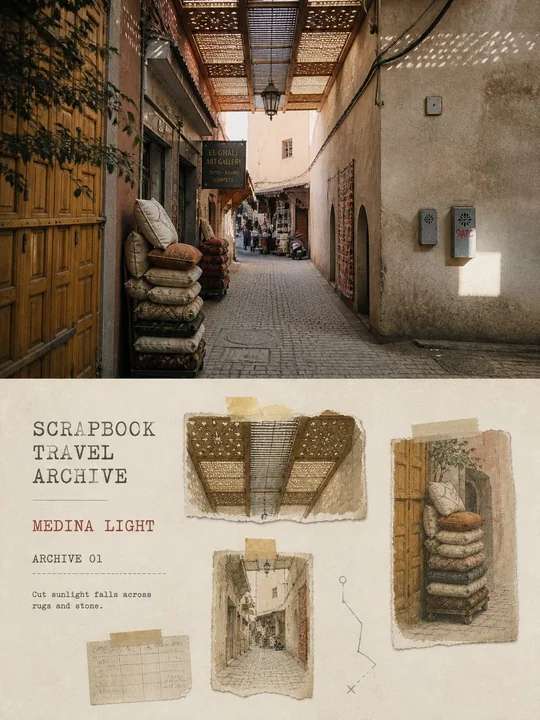
Пожалуйста, превратите каждое загруженное мной фото из путешествия в отдельный, самостоятельный постер высокого дизайнерского уровня. Без склейки нескольких изображений; каждое фото выводится индивидуально.

Общая композиция использует вертикальный формат 3:4, где изображение состоит из реального исходного фото и вырезанного архива путешествия того же сцены. Соотношение верхней и нижней частей может естественно корректироваться в зависимости от объекта фото, но должна сохраняться ясная и значительная по площади область исходного изображения для сравнения.

Верхняя часть занимает примерно 43%–48% кадра, достоверно сохраняя исходное фото. Точно поддерживайте идентичность объектов, количество и позу людей, архитектурные конструкции, направление улиц, расположение предметов, пространственную перспективу, реальные материалы, естественный свет и тени, а также исходную цветовую атмосферу. Выполняйте лишь легкую цветокоррекцию в стиле журналов о путешествиях и обработку с очень тонким зерном плёнки; верхнее фото не должно быть перерисовано, растянуто, искажено или заменено объектом.

Нижняя часть использует в качестве фона тёплую кремово-белую старую архивную бумагу, извлекая 2–4 наиболее ценных визуальных фрагмента из того же фото, например:

- Наиболее узнаваемый объект или достопримечательность
- Часть архитектурной конструкции, дверь/окно, арка или перспектива улицы
- Предмет на месте, одежда, посуда, вывеска или растение
- Особый свет/тень, цвет, текстура или частичное действие

Перегруппируйте эти элементы в сдержанный архив путевых скрапбуков. Используйте неровные рваные края бумажных обрезков, слегка смещённые прямоугольники старой бумаги, узкие полоски полупрозрачной ленты, карандашные маршруты, маркеры расстояния, горизонтальные линии архива и несколько печатных символов для создания композиционных связей.

Вырезанные фрагменты — это не просто копии нескольких маленьких фотографий и не случайные наклейки. Некоторые фрагменты могут сохранять текстуру выцветшей фотографии, а другие могут быть преобразованы в детальные наброски карандашом, лёгкой тушью, цветными карандашами или акварелью низкой насыщенности. Все фрагменты должны происходить из реально существующих объектов и деталей исходного изображения и вместе поддерживать направление и историю исходной сцены.

Основные элементы следует надлежащим образом уменьшить, оставив примерно 45%–60% непрерывного белого пространства внизу. Поддерживайте «воздушное» расстояние между бумажными обрезками; не заполняйте всю нижнюю половину. Рваные края должны быть естественными и тонкими, с реальными волокнами бумаги, но избегайте формирования тяжёлых объёмных бумажных скульптур или преувеличенных теней.

Извлеките 3–6 цветов из исходного фото для палитры, используя тёплый кремово-белый, серый цвет старой бумаги и цвета карандашей в качестве основы, сохраняя один из самых узнаваемых цветов фото в качестве визуального акцента, например, киноварь, тёмно-синий, оливково-зелёный, охристый жёлтый или цвета тканей. Общий вид — низкая насыщенность, слегка выцветший, с ощущением времени, как у старых печатных изданий и архивов путешествий.

Текст вмешивается в изображение как часть архивной системы. На основе места, объекта, света или ощущения от путешествия на фото автоматически уточните:

1. Главный заголовок на английском языке из 2–4 слов
2. Серийный номер, например, «ARCHIVE 01»
3. Короткое наблюдение на месте на английском языке, около 5–10 слов
4. Необязательный небольшой логотип серии «SCRAPBOOK TRAVEL ARCHIVE»

Для главного заголовка используйте шрифты пишущей машинки, узкие шрифты с засечками или шрифты архивной печати с лёгким ощущением износа старой печати. Вспомогательный текст можно располагать вдоль горизонтальных линий, краёв бумаги или карандашных маршрутов. Весь текст должен быть точно читаемым, без генерации бессмысленных символов, вымышленных адресов или информации об авторе.

Граница между верхней и нижней областями ясна, но избегайте тяжёлых разделительных полос. Верх — это реальная, полная сцена путешествия, а низ — как страница частного наблюдательного архива, организованного из той же сцены после поездки.

Общий стиль обладает характером независимого журнала о путешествиях, старого полевого архива, блокнота художника и современного редакционного дизайна. Тихий, сдержанный, человечный, с ощущением сохранённого времени, при этом остающийся высоким, чётким и коллекционным.

Избегайте: плотных скрапбуков, полностраничных коллажей, нескольких нерелевантных фотографий, универсальных наклеек для путешествий, самолётов, паспортов, картографических булавков, кучи марок, карикатурных иконок, милых наклеек, ощущения детских поделок, случайных газет, преувеличенной ленты, тяжёлых бумажных скульптур, сильных объёмных теней, гладкого 3D, пластиковой текстуры, реалистичного копирования всего фото в нижней половине, изменения объекта, вымышленных предметов, фальшивого китайского, бессмысленных символов, имён авторов, аккаунтов в социальных сетях, подписей, логотипов и водяных знаков.
Другие промпты
Case 15835
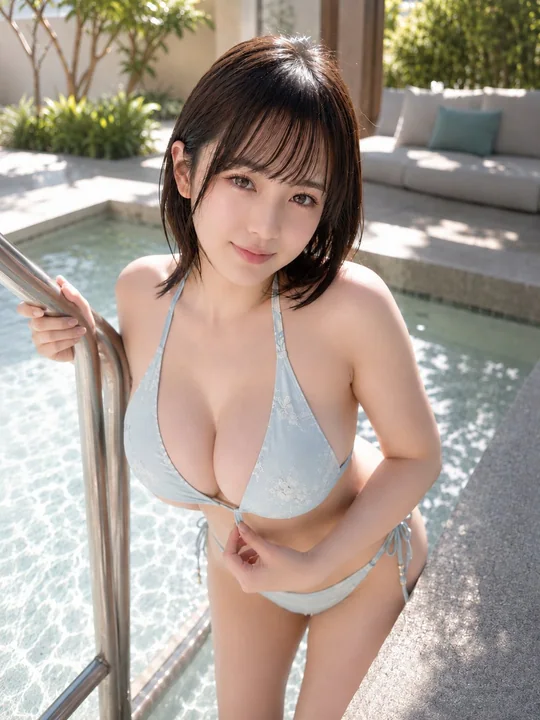
Портрет у открытого бассейна на берегу в голубой кружевной одежде
Тема: Берег водной глади, голубое кружево Субъект: На открытом плавательном бассейне, окружённом зеленью, в центре кадра стоит женщина на ступенях мелководья, держась левой рукой за металлическую перекладину; вертикальный снимок от бёдер и
Case 28607
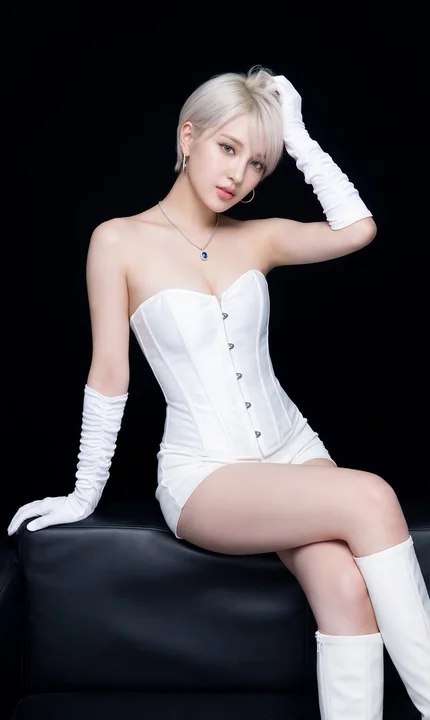
Портретная серия в стиле мягкой моды для журнальной вёрстки
Кадровая последовательность в стиле soft glam для модного редакционного материала. Молодая женщина с короткой платиновой стрижкой пикси и боковой чёлкой, светлая кожа, игривое выражение лица. Серебряные серьги. Серебряное ожерелье с подвеск