Case 25713
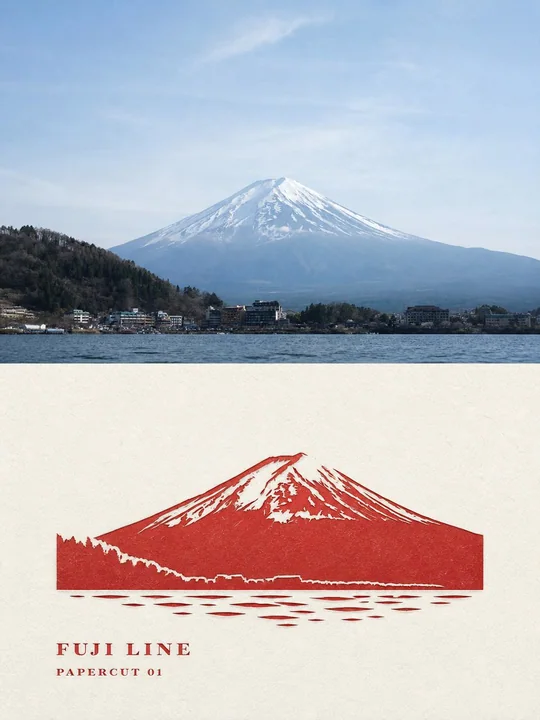
بوستر لاصق يجمع بين التصوير الفوتوغرافي الواقعي وقصّات الورق الحديثة ذات اللون القرمزي، مستوحاة من معالم بارزة
Prompt
يرجى تحويل كل صورة سفر أرفعها إلى ملصق تصميم فاخر مستقل. اخرج كل صورة بشكل منفصل؛ يُمنع دمج عدة صور في إطار واحد.

تتبنى التكوين العام تخطيطًا رأسيًا بنسبة 3:4، ويتكون من صورة حقيقية وتحويل لنفس المشهد. تكون نسبة ارتفاع المناطق العلوية والسفلية قريبة من 1:1، مع استخدام حد أفقي واضح ومستقيم ومضبط. لا تطبق التدرج اللوني (Feathering)، أو الضبابية، أو المزج التدريجي، أو تسرب المواد عند الحد الفاصل.

## القسم العلوي: الصورة الأصلية

احفظ بدقة هوية الموضوع، والهيكل المعماري، والعلاقات الطبوغرافية، وعدد الأشخاص أو الحيوانات، والوضعية، وزاوية المراقبة، والمواقع النسبية، والملمس الحقيقي، والإضاءة الطبيعية، وأجواء اللون الأصلية من الصورة الأصلية.

طبق فقط تدرج لوني طفيف مناسب للنشر الفني، أو المجلات المعمارية، أو تصوير السفر، وأضف حبيبات فيلم رقيقة جدًا. يجب أن يبقى القسم العلوي عملًا فوتوغرافيًا أصليًا واضحًا وحقيقيًا بمساحة ملموسة، ولا يجب أن يكون مرسومًا، أو أن يُعاد رسم الموضوع، أو استبدال السماء، أو نقل الأشخاص، أو تغيير المباني، أو إضافة معالم غير موجودة.

لتكييف التخطيط، يمكن تمديد كمية صغيرة من السماء أو الأرض أو البيئة المحيطة بشكل طبيعي، لكن يجب عدم مد الموضوع، أو انعكاسه، أو ضغطه، أو نسخه، أو تشويهه.

## القسم السفلي: قص الورق القرمزي للمعلم

استخرج موضوع المعلم الأكثر قابلية للتعرف عليه من نفس الصورة وأعد بناؤه كعمل قص ورق أحادي اللون بلون قرمزي (Vermilion) بشعور تصميم تحريري حديث.

لا تنسخ الإطارات الكاملة للصورة الأصلية، ولا تحول ببساطة الصورة بأكملها إلى ظل أحمر. احذف بفاعلية الخلفيات المعقدة، والمباني المتكررة، ولوحات النوافذ الصغيرة، والنباتات الكثيفة، ولوحات الإعلانات، والمشاة المتناثرين، والبيئات غير ذات الصلة، مع الإبقاء على:

- المخطط العام الأكثر قابلية للتعرف عليه للمعلم؛
- المستويات المعمارية، وإيقاع الأسقف، أو اتجاهات الجبال؛
- الفتحات السلبية الرئيسية مثل مداخل الأبواب، وثقوب الجسور، وثقوب النوافذ؛
- خط علاقة واحد ضروري في المقدمة؛
- كمية دنيا من الأظلال الفرعية التي يمكن أن توضح مساحة الموقع.

اعتمد تكوينًا ثانويًا لـ "أثر ملء الإطار + قطع الفراغ السلبي". يمكن تكبير الموضوع إلى 70%–105% من ارتفاع منطقة التحويل، مما يسمح لجزء من المخطط بالخروج من الإطار بشكل طبيعي، لكن يجب إعادة ضبط مقياس الموضوع، وقصه، ومركز ثقله البصري، ولا يمكنه الحفاظ على نفس تكوين الصورة أعلاه.

يُقص الموضوع من قطعة ورق قرمزية صلبة واحدة متصلة، وليس من كولاج من أيقونات حمراء متناثرة. استخدم الفراغ السلبي الأبيض للورق لقطع الأبواب، والنوافذ، والأجولة، وثقوب الجسور، والفجوات بين تيجان الأشجار، والوديان، والسماء، بحيث يشكل الورق الأحمر والأبيض الهيكل معًا.

يجب أن تكون حواف قص الورق واضحة، وحادة، وكاملة، مع ألياف ورق حقيقية خفيفة، وتقلبات في شفرة القطع، وأخطاء قص يدوية. قد تظهر كمية صغيرة جدًا من الطيات أو الانبعاجات محليًا، لكن يجب أن يبقى الشعور العام لفن الورق المسطح.

لا تضف زهور النوافذ الاحتفالية التقليدية، أو أنماط الطيور والزهور، أو حواف الدانتيل، أو الزخارف المتناظرة، أو عناصر قص الورق لعيد الربيع. إنه ملصق تحريري حديث لقص الورق للمعلم، وليس زخرفة احتفالية.

## اللون والورق

افتراضيًا، تستخدم منطقة التحويل فقط:

- ورق قرمزي عميق ومضبط؛
- ورق أبيض أرز طبيعي دافئ؛
- كمية صغيرة جدًا من الانبعاجات بدرجات اللون نفسها.

لا يجب أن يكون اللون القرمزي ساطعًا جدًا، أو برتقاليًا جدًا، أو بلاستيكيًا؛ يجب أن يكون قريبًا من الزنجفر المعدني (Cinnabar)، ووسادات الحبر القديمة، والورق المصبوغ غير اللامع. يتحمل اللون الأبيض للورق السماء، والإضاءات العالية، والهواء، والمسافة المكانية.

اترك بفاعلية حوالي 20%–35% من الفراغ الأبيض المستمر للورق على جانب الموضوع أو فوقه. يجب أن يشكل الفراغ الأبيض تباينًا واضحًا في الوزن والكثافة مع الموضوع القرمزي؛ لا تستخدم أشرطة جانبية بيضاء نمطية.

## النص

قبل التوليد، حدد النص التالي بناءً على الموقع الفعلي المرئي، أو المبنى، أو المنظر في الصورة، وأظهره بدقة كلمة بكلمة في الصورة:

- عنوان رئيسي من 1–3 كلمات إنجليزية؛ استخدم اسم الموقع الفعلي عندما يكون الموقع واضحًا، واستخدم "LANDMARK" أو عنوانًا عامًا يتعلق بالموضوع عندما لا يمكن تأكيده؛
- حقل المادة: "PAPERCUT STUDY 01"؛
- جملة ملاحظة واحدة من 5–12 كلمة إنجليزية، تصف فقط الخطوط، أو الاتجاهات، أو الألوان، أو العلاقات المكانية الموجودة حقًا في الصورة.

ضع النص بشكل جماعي في منطقة الورق الأبيض المستمرة؛ لا تبعثره بالتساوي في الزوايا الأربع. يجب أن يكون العنوان الرئيسي مقروءًا بوضوح عند حجم معاينة الدردشة.

يجب أن يستخدم النص حروف رصاص مطبوعة بارزة، أو أحرف مطبوعة بنقص الحبر، أو خطوط كبيرة ضيقة بنفس لون قص الورق القرمزي، مع حواف تظهر أسنان ورق خفيفة وفجوات حبر، كما لو طُبعت على الورق جنبًا إلى جنب مع قص الورق. لا تستخدم طباعة رقمية سلسة عائمة.

يُمنع أسماء المؤلفين، والتواقيع، وحسابات وسائل التواصل الاجتماعي، وعناوين URL، ورموز QR، والعلامات التجارية الخيالية، والأرقام غير ذات المعنى، والصينية الوهمية، والحروف المتداخلة.

## الأجواء العامة

حديث، ومضبط، وحاد، وهادئ، مع قابلية التعرف الثقافي وإحساس بالقيمة التجميعية، مثل ملصق بحث قص الورق للمعلم أنتجه ناشر فني مستقل.

تجنبات إلزامية: لوحة سفلية واقعية فوتوغرافيًا، إعادة رسم بنفس القص والمقياس، فلتر صورة أحمر، رسم توضيحي متعدد الألوان مفصل، دانتيل شعبي زخرفي، قص ورق احتفالي متناظر، قالب تذكاري عام، أيقونات متناثرة، بلاستيك لامع، عرض ثلاثي الأبعاد، حواف ضبابية ناعمة، أشكال متجهية سلسة، تفاصيل مفرطة، نص مفرط، غياب مقارنة الصورة المصدرية، معمارية مشوهة، معلم مخترع، نص وهمي، علامة مائية.
مطالب أخرى
Case 27649
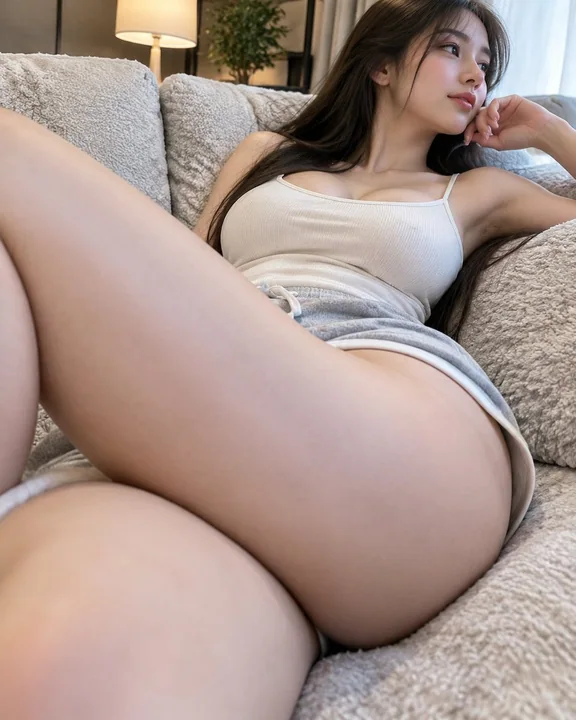
امرأة بالغة غارقة في أريكة مغطاة بالفراء، منظور واسع، واقعية
نسبة أبعاد عمودية 3:4، امرأة بالغة، غارقة بعمق في أريكة ناعمة مبطنة، مستلقية نصف جالس ومائلة للخلف، حوضها وأسفل ظهرها غارقان في الوسائد، ساق واحدة مثنية ومُسحبة نحو الكاميرا، ركبة وأمامية الفخذ في المقدمة مكبّرتان بشكل ملحوظ بسبب العدسة واس
Case 28031
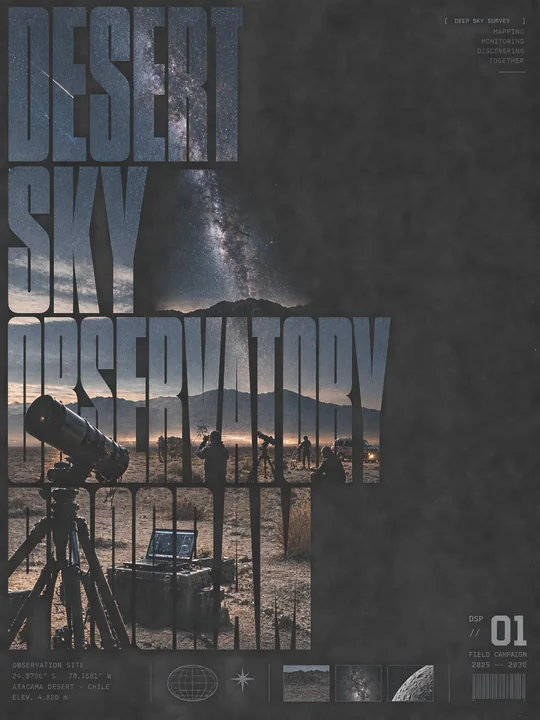
ملصق تفتيش خطوط نقل الطاقة الكهربائية في الهضبة: شرائح بصرية مدمجة بظلال وحروف ضيقة وطويلة
دعنا أولاً نضغط موضوع المستقبل إلى مجموعة من الصور الرئيسية المعروفة، ثم ندخل هذه الصور بالكامل في أحرف كبيرة وضيقة وسميكة تشغل قلب الشاشة: ما يُرى في النظرة الأولى ليس صوراً مستقلة وعناوين، بل شريحة بصرية ضخمة تتشكل من حدود النص والمشاهد ا