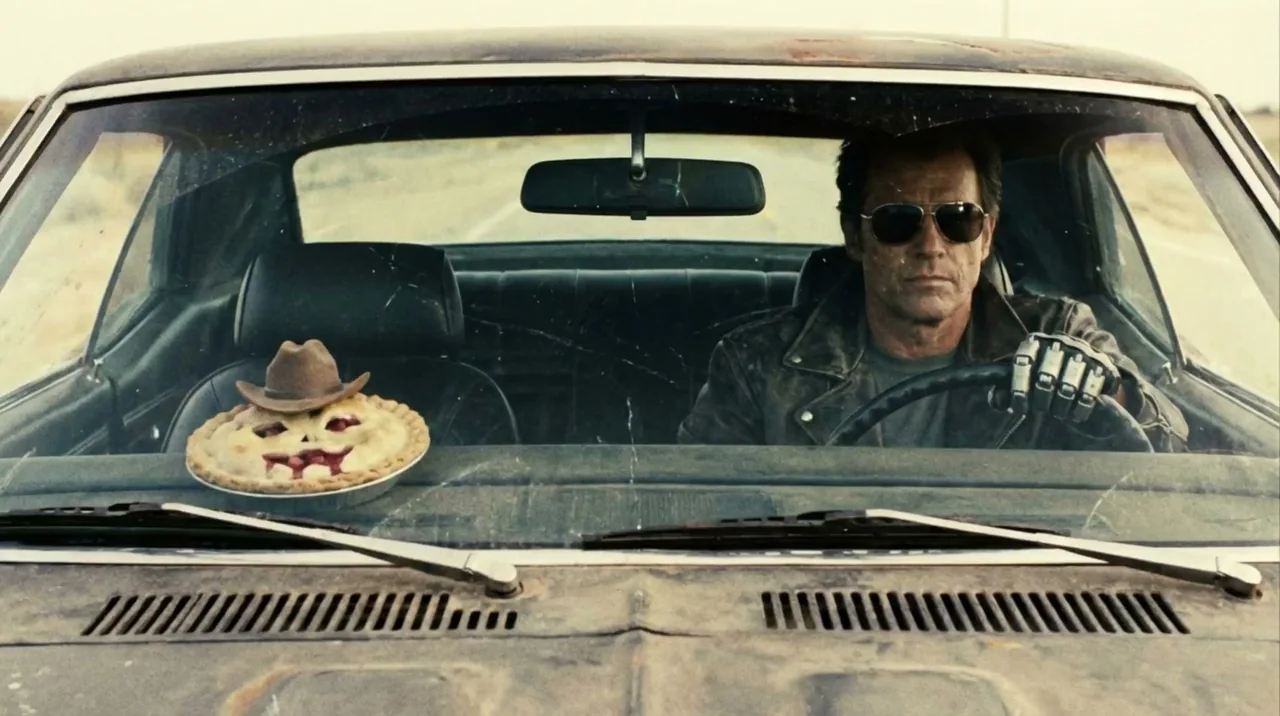
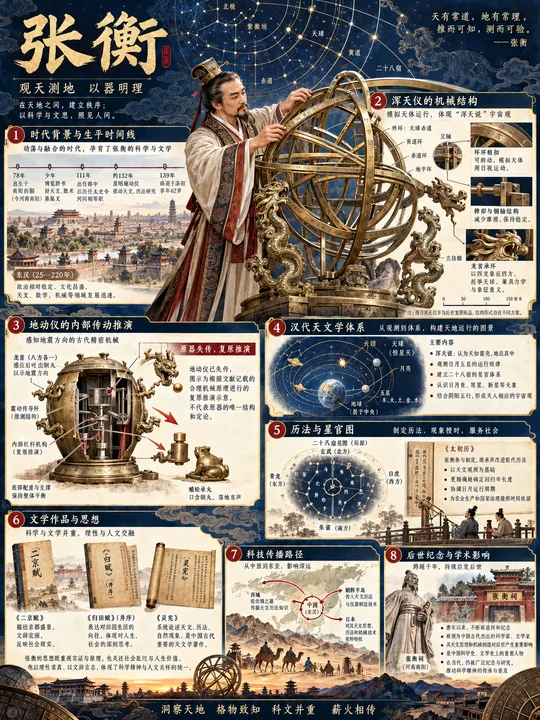
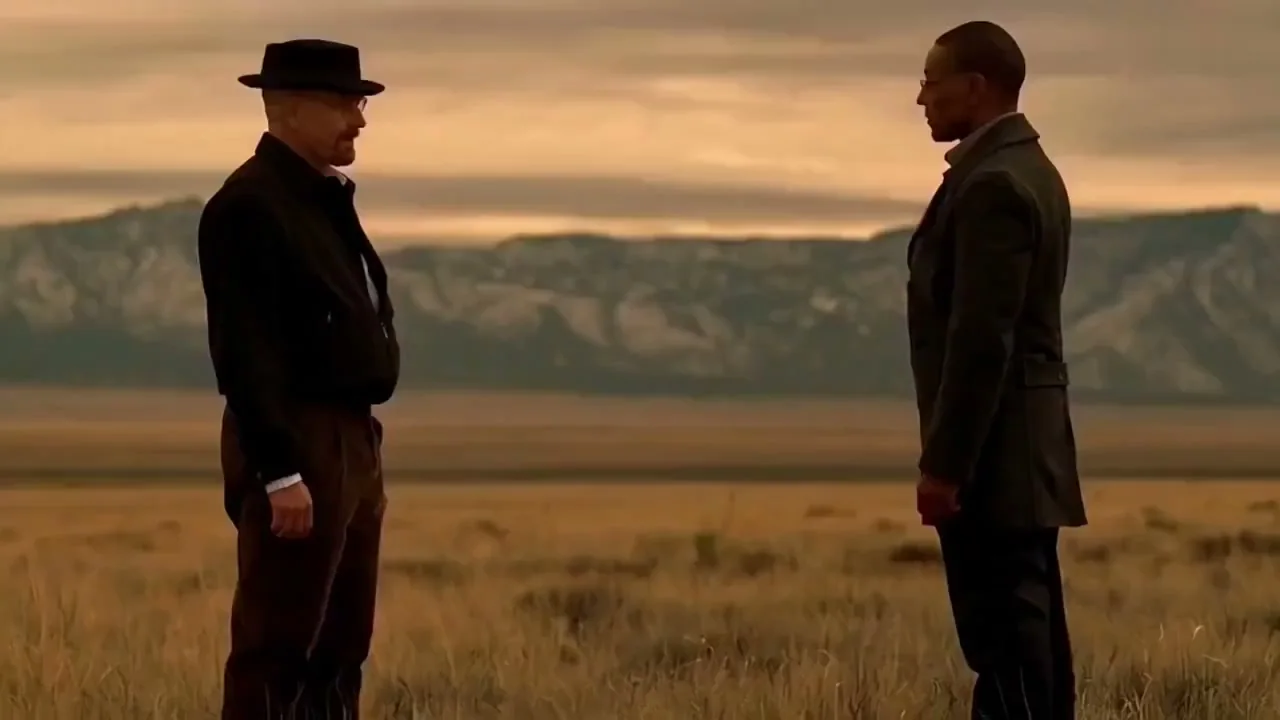
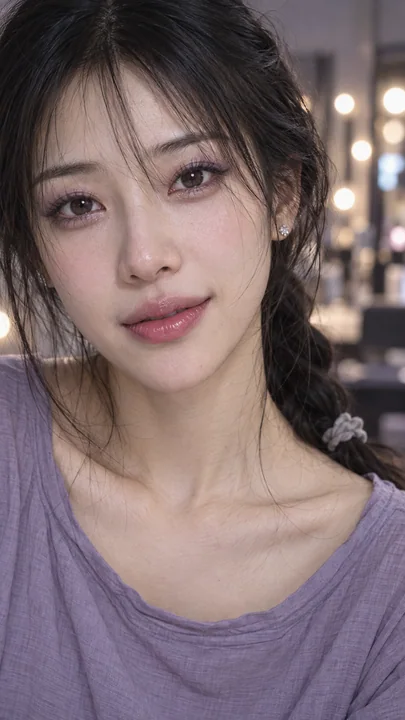
Case 25726
Команда для преобразования в премиальный постер с разделённым экраном на основе фотографий из путешествия
Prompt
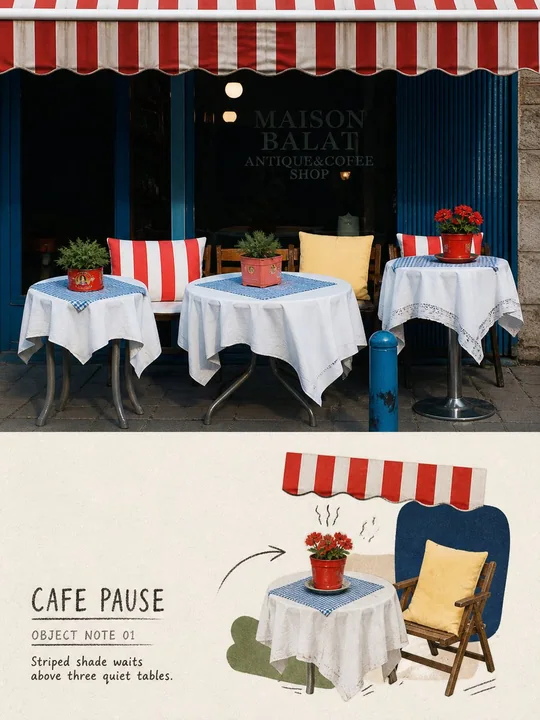
Please turn each travel photo I upload into an independent high-end design poster. Output each photo separately; multi-image stitching is prohibited. The overall composition uses a 3:4 vertical layout, consisting of a clearly visible real photo and a "photo doodle travel object" conversion from the same scene. The height of the upper and lower areas is close to 1:1, using a clear, straight, and restrained horizontal boundary. Do not apply blurring, feathering, blending, or image overlapping at the boundary.

## Upper Part: Real Original Photo
Faithfully preserve the subject identity, quantity, posture, direction of action, core objects, interpersonal relationships, street or spatial structure, observation angle, real materials, natural lighting, and original color atmosphere of the original photo. Apply only slight color grading at the level of travel magazines, independent publications, or photography exhibitions, and add a very thin layer of film grain. The upper part must remain a clear, authentic photography work with substantial area. Do not redraw the photo, do not move figures, do not change the identity and structure of vehicles, food, shops, tables and chairs, boats, or souvenirs, and do not add cultural symbols or travel objects that do not exist in the photo. To adapt to the frame, a small amount of sky, ground, wall, or surrounding environment can be naturally extended, but do not stretch, compress, mirror, duplicate, or distort the subject.

## Lower Part: Photo Doodle Travel Object
Extract one core travel object most worth remembering from the same photo, such as:
- Vehicles, bicycles, motorcycles, boats, or carts;
- Coffee cups, plates, food, cutlery, or tabletop combinations;
- Chairs, suitcases, road signs, umbrellas, or souvenirs;
- Shop fronts, sales windows, newsstands, or street stalls;
- Other daily objects with clear silhouettes and a sense of place.
Figures can be retained but only as auxiliary relationships to the object's action, usage, and travel story; they must not take away the primary visual focus. First, understand the identity, silhouette, direction, color, and usage relationship of the most important object in the photo, then actively remove complex backgrounds, irrelevant passersby, repetitive buildings, advertisements, dense signs, tiny decorations, and photographic noise. Do not shrink the entire original photo and place it in the lower part, nor simply outline or cartoonize the entire photo.

## Secondary Composition
Adopt a "shrunk and refined" editorial composition. The core object should occupy approximately 40%–65% of the width and 30%–58% of the height of the lower part, placed in the center, slightly low, or to one side. Change the subject scale, cropping method, and spatial position according to the photo content to make the lower part distinctly different from the photo above. Keep only one core object and accompany it with one to three necessary scene clues, such as:
- A small section of road, track, or tabletop;
- A door, a window, or a corner of a wall;
- A hand using the object or a miniaturized figure;
- A shadow, steam, movement trajectory, or direction line.
The converted area must retain about 35%–55% continuous warm white paper surface or light-colored open space, allowing the area around the subject to breathe. Do not use template-style white sidebars, and do not break the blank space into many small gaps.

## Photo Slices and Matte Color Blocks
The core object cannot become a completely ordinary illustration. Retain a small amount of real texture from the original photo, using:
- One to three cropped photo-textured areas;
- The most recognizable real surface of the object;
- Local photographic textures of car windows, food, fabric, metal, or wood;
- Irregular photo slices that fit the object's silhouette.
Photo slices should be naturally embedded into matte color blocks and hand-drawn lines; do not use regular photo frames and do not stitch them into a dense album. The remaining structure should be summarized using 4–6 matte flat color blocks extracted from the photo. Retain one most recognizable bright color as a visual focus, and appropriately reduce the saturation of the other colors. Color block edges allow for slight manual deviations, pigment gaps, and paper show-through, avoiding smooth vector shapes and commercial digital illustration textures.

## Narrative Doodles
Add a minimal amount of hand-drawn doodles related to the real scene around the core object. Select based on the photo content:
- Arrows indicating action or travel direction;
- Movement trajectories of vehicles, boats, or figures;
- Steam lines above food and drinks;
- Slight sound symbols, vibration lines, or waiting marks;
- Arcs connecting figures and objects;
- Circles, underlines, or brief observation marks;
- One or two very simple small symbols.
Doodles must explain the object's action, usage, or travel mood rather than being purely decorative. Use black, dark brown, or a dark color from the photo, expressed with loose marker, crayon, oil pen, or pencil lines. Lines can have breaks, re-draws, slight overruns, and uneven ink marks. Keep the number of doodles restrained, usually using only 3–7 sets of small lines or symbols. Do not let the entire image become a children's doodle book, comic panel, or dense sticker page.

## Text
Before generation, determine and accurately render the following text based on the objects, locations, actions, or atmosphere actually visible in the photo:
1. A primary title of 1–3 English words;
2. The field: "OBJECT NOTE 01";
3. A line of observation sentence with 5–12 English words.
The title can be the object name or a brief travel feeling, such as: "YELLOW TRAM", "LATE LUNCH", "CORNER TABLE", "SMALL FERRY", "STREET CART", "RAINY RIDE". The observation sentence only describes the colors, actions, positions, and object relationships actually present in the photo; do not fabricate brands, locations, dates, or stories. Text should be centrally placed in the continuous white space, forming a clear set of editorial captions with the core object and doodles. The main title must be clearly legible at chat preview size; auxiliary text should not shrink into unrecognizable decorative gray lines. Use loose handwriting, old small print, or narrow fonts with a marker texture. Text edges can have slight ink missing, repeated strokes, and paper friction feel, as if written on paper by the artist along with the doodles; do not use smooth, floating digital typography. Prohibit copying advertisements, signs, and brand text from the original photo. Prohibit author names, signatures, social media accounts, logos, URLs, QR codes, fake Chinese, gibberish, and meaningless numbers.

## Overall Atmosphere
Like picking out a small thing you are most reluctant to forget from a travel photo, and then preserving it again with photo fragments, matte colors, and a few casually drawn notes. Relaxed, clever, observant, with a touch of humor and life, while maintaining the restrained layout of independent travel magazines and art publications. Mandatorily avoid: full-photo cartoon filter, same-crop same-scale redraw, complete realistic lower background, dense doodles, childish cartoon page, comic panel, generic travel stickers, copied signage, invented brand, excessive arrows, excessive symbols, multiple competing objects, glossy 3D, smooth vector shapes, digital gradients, oversaturated colors, tiny decorative source photo, missing source-photo comparison, fake text, author signature, watermark.