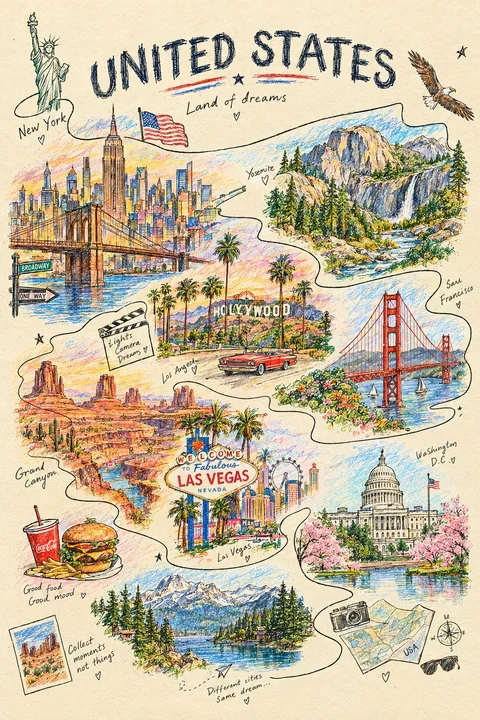
Case 24628
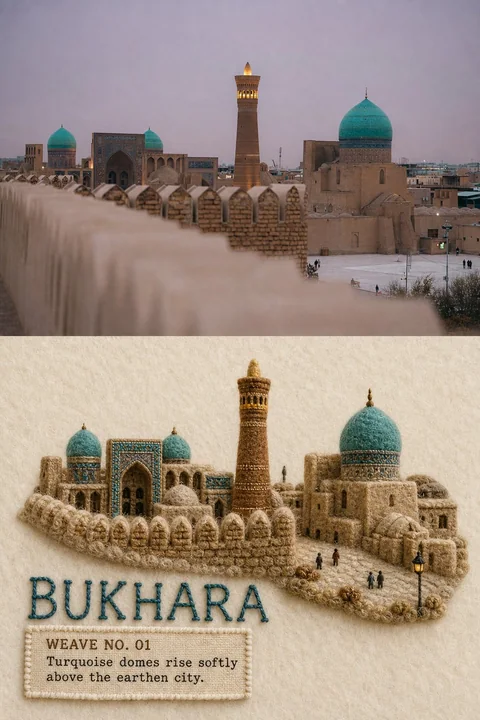
旅行照片转羊毛毡编织记忆微缩海报
Prompt
Please turn each travel photo I upload into an individual high-end travel transformation poster, outputting each photo separately without stitching multiple different photos into the same frame.

The overall composition uses a 3:4 vertical layout. The upper half is the clearly visible real original photo, and the lower half is a "wool felt woven memory miniature" of the same scene. The two areas are nearly 1:1 in height, separated by a clear, horizontal, and restrained boundary.

The upper half faithfully preserves the original photo. Accurately maintain the identity and number of subjects, human or animal poses, architectural structures, terrain, core objects, observation angles, relative positions, real textures, natural light and shadow, and the original color atmosphere. Only apply slight high-end travel magazine and exhibition photography color grading, and add an extremely thin layer of film grain. Do not redraw, stretch, mirror, distort, or change the subject of the photo.

The lower half extracts the most recognizable subjects, outlines, actions, terrain structures, and narrative relationships from the same photo, turning the scene into a 3D fiber art miniature landscape displayed on warm off-white felt paper.

It is not a flat fabric appliqué, nor is it a yarn texture overlaid on a photo. The scene must be reorganized based on real fiber craftsmanship, combining: needle-felted wool, wool roving, bouclé yarn, crochet loops, embroidery thread, soft twisted fibers, small woven structures, and loose wool fibers.

Convert materials according to the content of the photo:
- Clouds use fluffy, loose-edged white wool roving;
- Mountains use needle-felted wool layers of different densities and directions;
- Vegetation uses bouclé yarn, crochet knots, short plush yarn balls, and scattered thread ends;
- Water surfaces use horizontally spread blue-green yarn, embroidery thread, and curved reflective lines;
- Buildings use tight needle-felted blocks, miniature woven walls, and embroidery patterns;
- Roads, shorelines, and terrain boundaries use stitching, cord, or low-pile structures;
- People, animals, boats, and vehicles become miniature fiber models that maintain their original poses, directions, quantities, and primary colors.

Do not mechanically replicate the entire background of the photo. Proactively remove duplicate buildings, dense vegetation, tiny stones, and irrelevant clutter, compressing the scene into a primary miniature landscape. Change the scale of subjects and spatial organization so the work resembles a small architectural sand table, a fiber specimen, or a collector-grade handmade memory model placed on paper.

Must clearly represent fluffy wool, loops of various sizes, needle-felted granules, yarn twist, embroidery stitches, slight fraying, thread ends, changes in weaving density, real physical thickness, and soft contact shadows. Subject edges can be loose and fuzzy, but identity outlines must be recognizable at a glance.

Colors are extracted from the original photo and softened into natural wool tones. Retain the most important warm-cold relationships and iconic colors of the original photo, reduce miscellaneous colors and high saturation, and distinguish structures through different fiber color scales, loop densities, and pile heights.

Maintain at least approximately 35% continuous off-white felt negative space outside the miniature landscape and text. The negative space must be complete and quiet, capable of highlighting the physical presence of the miniature model, and must not be filled with a large amount of scattered yarn, decorative icons, or irrelevant craft objects.

Add three layers of accurate, readable English text in the felt negative space:
1. Distill a main title of 1–3 English words based on the real location, subject, or action;
2. Add a small serial number in the form of "WEAVE NO. 01";
3. Add a line of 5–12 English words as an observation sentence, describing the colors, actions, buildings, weather, or spatial relationships actually visible in the photo.

The main title is formed using continuous yarn placement or hand embroidery, with real yarn thickness, stitches, and a slight sense of looseness. The serial number and observation sentence are placed on small woven labels, coarse cloth tags, or embroidered side notes, and must be clearly readable. Do not overlay smooth digital fonts, and do not generate author names, logos, URLs, QR codes, fictional years, or gibberish.

The overall temperament is warm, quiet, delicate, tactile, and collectible, like carefully sewing a trip into a memory specimen that can be held in your hand.

Avoid: missing source-photo comparison, flat felt appliqué, fabric stickers, flat paper cutout, knitted blanket covering the whole image, plastic toy, clay, resin, glossy CGI, smooth 3D rendering, generic craft template, cartoon proportions, invented landmarks, altered subject count, excessive decoration, tiny unreadable text, floating digital typography, fake logo, watermark.

请将我上传的每一张旅行照片分别制作成一张独立的高级旅行转绘海报,每张照片单独输出,不得将多张不同照片拼接在同一画面中。

整体采用3:4竖版构图。上半部分为清楚可见的真实原始照片,下半部分为同一场景的“羊毛毡编织记忆微缩”。两个区域高度接近1:1,使用清晰、水平、克制的边界分隔。

上半部分忠实保留原照片。准确保持主体身份与数量、人物或动物姿态、建筑结构、地形、核心物体、观察角度、相对位置、真实材质、自然光影和原有色彩氛围。仅进行轻微高级旅行杂志和展览摄影调色,并加入极薄胶片颗粒。不得将照片重绘、拉伸、镜像、扭曲或改变主体。

下半部分从同一张照片中提取最具识别度的主体、轮廓、动作、地形结构和叙事关系,把场景制作成一件陈列在温暖米白毛毡纸上的立体纤维艺术微缩景观。

它不是平面布贴,也不是给照片覆盖毛线纹理。必须依据真实纤维工艺重新组织场景,结合:

needle-felted wool、wool roving、bouclé yarn、crochet loops、embroidery thread、soft twisted fibers、small woven structures、loose wool fibers。

根据照片内容进行材料转换:

- 云雾使用蓬松、边缘松散的白色羊毛条;
- 山体使用不同密度和方向的针毡羊毛层;
- 植被使用圈圈纱、钩针结、短绒线团和零散线头;
- 水面使用横向铺开的蓝绿纱线、刺绣线和弯曲反光线;
- 建筑使用紧密针毡体块、微型编织墙面和刺绣纹样;
- 道路、岸线与地形边界使用缝线、绳线或较低绒高结构;
- 人物、动物、船只和车辆变成保持原姿态、方向、数量与主色的微型纤维模型。

不得机械复刻照片的全部背景。主动删除重复建筑、密集植被、细小石块和无关杂物,将场景压缩为一个主要微缩景观。改变主体尺度和空间组织,使作品像被安放在纸面上的小型建筑沙盘、纤维标本或收藏级手工记忆模型。

必须清楚表现蓬松羊毛、大小不一的线圈、针毡颗粒、纱线捻度、刺绣针脚、轻微脱线、线头、编织密度变化、真实实体厚度和柔和接触阴影。主体边缘可以松散、有绒毛,但身份轮廓必须一眼可辨。

配色从原始照片中提取并柔化为自然羊毛色。保留原照片最重要的冷暖关系与标志性色彩,降低杂色和高饱和度,通过不同纤维色阶、线圈密度和绒高区分结构。

微缩景观与文字之外至少保留约35%的连续米白毛毡空场。空场必须完整、安静,能够衬托微缩模型的实体感,不能用大量零散毛线、装饰图标或无关工艺物件填满。

在毛毡空场中加入三层准确、可读的英文文字:

1. 根据真实地点、主体或动作提炼一个1–3个英文单词的主标题;
2. 加入“WEAVE NO. 01”形式的小型编号;
3. 加入一行5–12个英文单词的观察句,描述照片中真实可见的颜色、动作、建筑、天气或空间关系。

主标题使用连续毛线摆放或手工刺绣形成,具有真实纱线厚度、针脚和轻微松动感。编号与观察句放在小型织标、粗布标签或刺绣边注上,必须清楚可读。不得叠加光滑数字字体,不得生成作者名、Logo、网址、二维码、虚构年份或乱码。

整体气质温暖、安静、细腻、触觉化、具有收藏感,像把一次旅行认真缝成了一件可以捧在手里的记忆标本。

Avoid: missing source-photo comparison, flat felt appliqué, fabric stickers, flat paper cutout, knitted blanket covering the whole image, plastic toy, clay, resin, glossy CGI, smooth 3D rendering, generic craft template, cartoon proportions, invented landmarks, altered subject count, excessive decoration, tiny unreadable text, floating digital typography, fake logo, watermark.
他のプロンプト
Case 16492
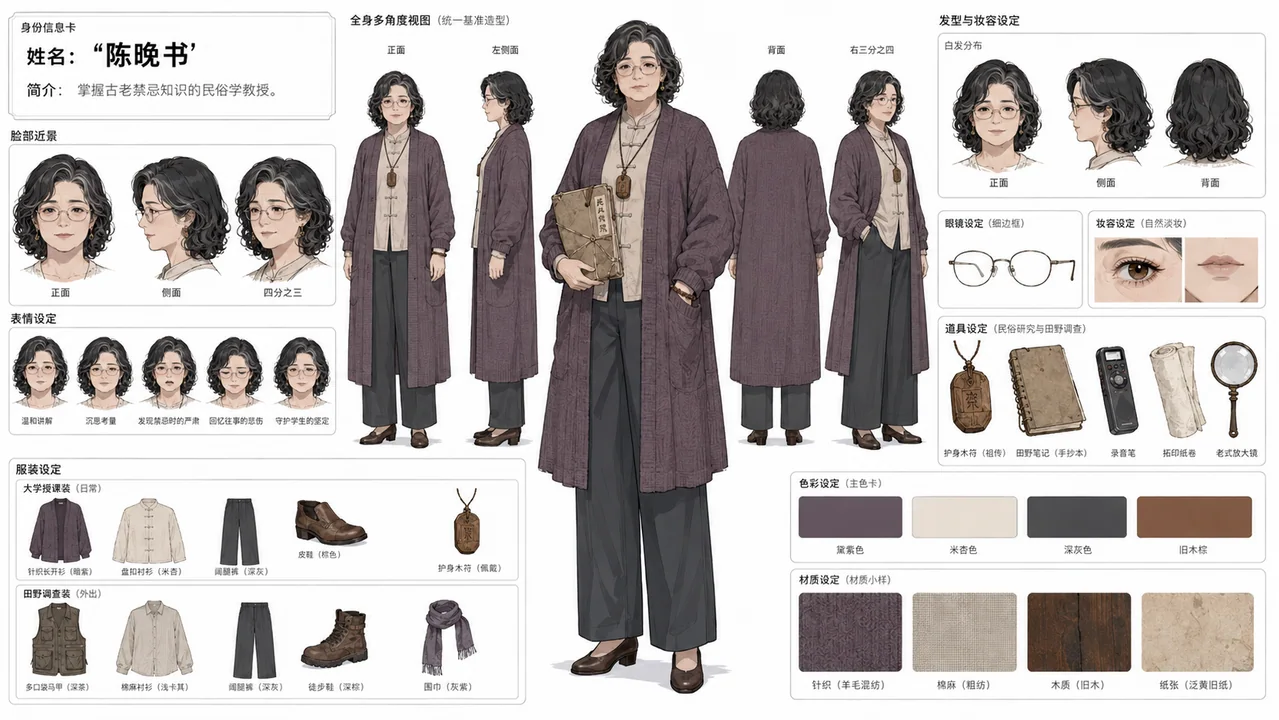
民俗学教授陈晚书:现代都市奇幻角色设定图
二次元赛璐璐角色设定设定图民俗学
Case 28076
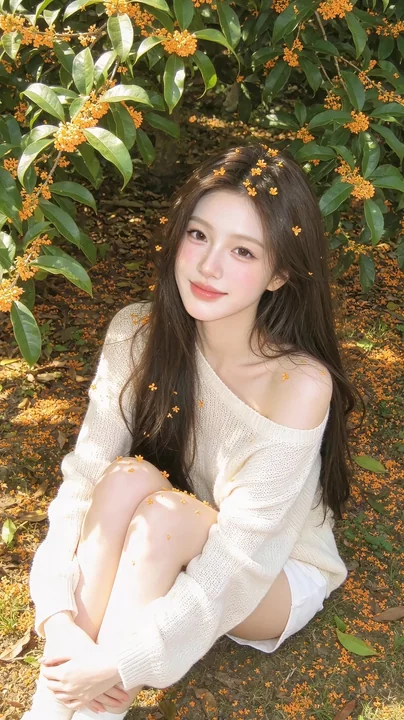
桂花树下超写实东亚女性摄影
Hyper-realistic real-life photography, explicitly adult 23–27 years old East Asian female, exquisite natural oval face, clear dark brown almond eyes, real pores and fine vellus hair, peach pink blush, pale pink hydrated lips, gentle smile l