Case 12861
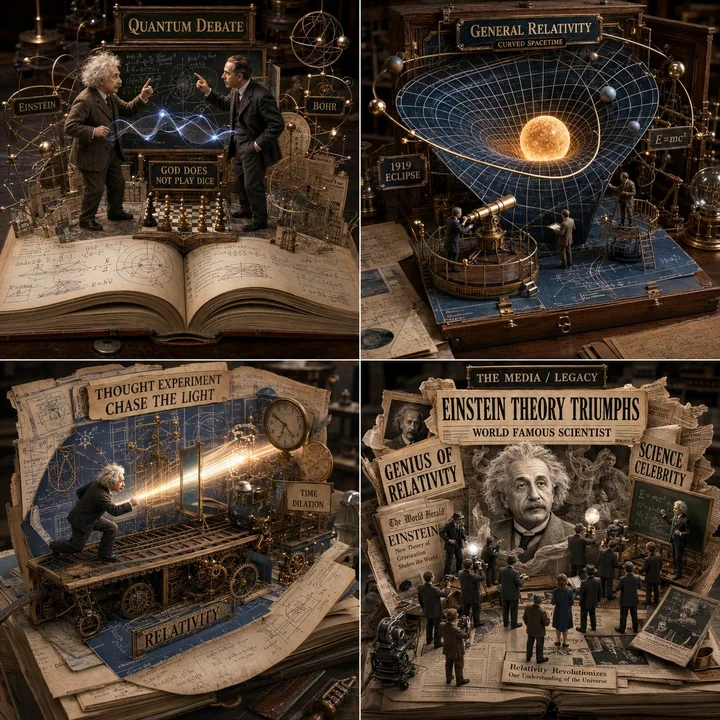
Ultra-realistic historical narrative 3D miniature landscape model
Prompt
Einstein: Input Variable: [INSERT TOPIC] (e.g., Nikola Tesla, The Wright Brothers, The Manhattan Project, Leonardo da Vinci)

System Instruction:
Generate a hyper-realistic 2x2 grid of 3D miniature dioramas. Use the following logic to procedurally generate 4 distinct chapters from the history of the Input Variable:

1. Narrative Partitioning (The 4 Chapters):
Analyze the Input Variable and generate 4 distinct visual narratives:
- Panel 1 (The Rivalry): Identify the biggest conflict. (e.g., Tesla vs. Edison; da Vinci vs. Michelangelo).
- Panel 2 (The Magnum Opus): Identify the most visually striking or iconic invention/creation. (e.g., Tesla Tower; The Vitruvian Man).
- Panel 3 (The Myth/Experiment): Identify a sensationalized or “deep cut” story. (e.g., the Earthquake Machine; the Flying Machine).
- Panel 4 (The Media/Legacy): Identify how the public viewed them (e.g., newspaper headlines, propaganda, weaponization).

2. Container (Critical):
Do not use the same base for all 4 panels. The base must match the narrative of the panel.
- For theory/rivalry: use an open technical book or blueprints, with the figures standing on the paper.
- For invention/hardware: use a vintage radio, wooden cabinet, or machine chassis as the stage.
- For media/news: use a stack of vintage newspapers with clear, readable headlines.

3. The Diorama:
- Transition effect: the 2D object (book/paper) physically erupts and transforms into 3D. (e.g., blueprint lines become brass wires; newspaper photos become 3D smoke).
- Figures: 1:12 scale photorealistic miniatures. The figures are not static; they are working, arguing, or operating machinery.
- Scale: the invention should tower over the figures to convey scale and grandeur.

4. Visual Details:
- Environmental text: the scene must include readable labels in the environment.
- Nameplates: such as “AC POWER - TESLA” vs. “DC POWER - EDISON”.
- Headlines: such as “MYSTERIOUS TREMOR SHAKES LAB!”
- Active elements: the scene must feel alive. Energy effects (Tesla coils), laser beams, steam, or fire must be rendered as volumetric light. Motion effects include falling debris, spinning gears, etc.

5. Lighting:
- Style: “museum tabletop” photography. Background with warm, rich wood tones.
- Lighting: directed spotlights on the miniatures, casting dramatic shadows onto the books/blueprints.
- Materials: high-fidelity wood, brass, paper, and glass textures.

Output: 2x2 grid, 1:1 aspect ratio, Octane render, “History Channel” aesthetic, 8k resolution.
More prompts

Case 28065
窗边耀眼表情的20岁女性肖像
Theme: Dazzling expression by the window Subject: Adult female in her 20s. Upper body shot near a window. Face tilted slightly to the right of the frame, shoulders and torso slightly facing front. Person · Expression: Short and thin chin,
Case 27077
唐风宫廷贵妃醉酒私房人像摄影
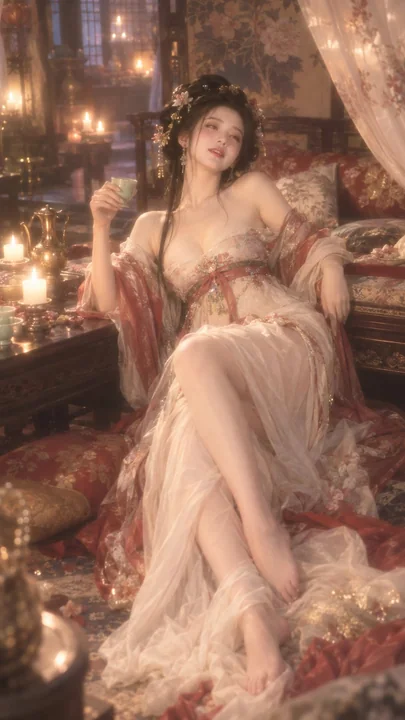
9:16 vertical composition, ultra-photorealistic live-action photography, Tang Dynasty-inspired private portrait photography, themed around “The Drunken Imperial Consort,” set in a late-night inner chamber of a Tang palace, with a luxurious
Case 25639