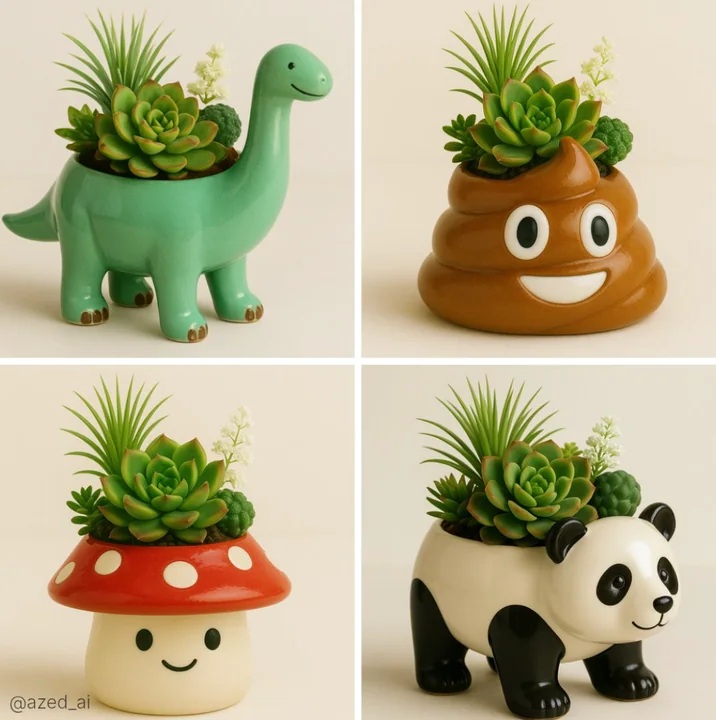
Case 28080
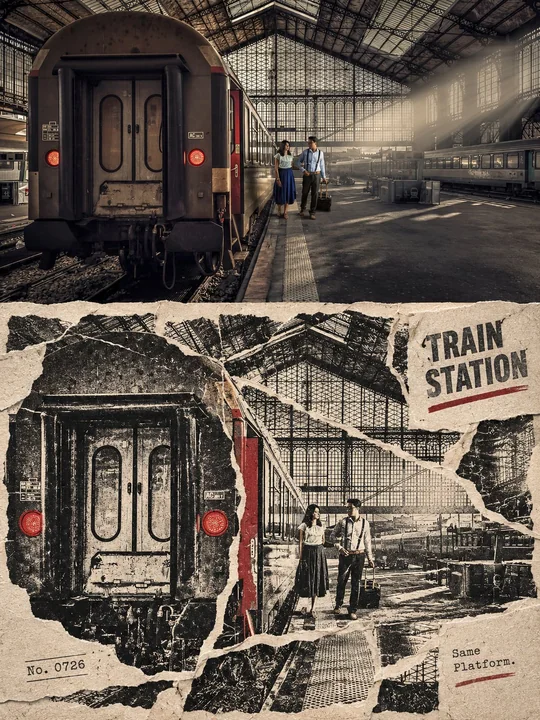
竖版上下对比撕纸轨道版画拼贴海报
Prompt
Create a vertical 3:4 top-and-bottom comparison editing poster from the input photo. The upper half should completely preserve the real photographic texture, subject identity, and original composition of the input photo, without turning the photo into an illustration; the lower half should use only the real content from the same photo for stylized reorganization.

The lower half adopts a "torn paper track woodcut collage style": dismantle the subject, main structures, and spatial paths in the photo into several pieces of hand-torn paper with real fibers and deckle edges, leaving obvious warm gray paper bases and irregular fracture blank spaces between the paper pieces; use black and white woodcut, coarse screen printing, and old newspaper photocopy grain to represent outlines, shadows, and dense details, with black ink lines showing stamping, dry brushing, and partial ink shortage, rather than a simple filter. Retain key structures, quantities, directions, and perspective relationships that identify the original scene, but change the information density and cropping of the lower half to make the image look like a re-edited physical collage print. Extract only one most eye-catching local color from the original photo as the sole accent color (for example, the yellow in tracks, vehicles, signs, or clothing; if the original image has no yellow, use the most distinct color in the original image), with remaining colors limited to coal black, gray-white, warm ivory paper color, and a very small amount of faded neutral colors, prohibiting fixed orange-blue or color gradients. Up to three short text pieces can be added to the paper surface: an English scene title, a material number, and an extremely short observation; the text must look like screen printing or pencil stamping on paper, without generating long paragraphs, fictional place names, QR codes, or watermarks.

The top and bottom each occupy about half of the frame, with a clear horizontal boundary; prohibit side-by-side, 3x3 grids, multi-scene collages, original/AI image corner tags, and watermarks. There must be a clear correspondence between the photo and the lower half as the same scene. Applicable to any photos of people, animals, architecture, street scenes, transportation, nature, interiors, food, and objects, and the theme should not be limited to urban tracks or transportation.

将输入照片制作成一张竖版 3:4 的上下对比编辑海报。上半部完整保留输入照片的真实摄影质感、主体身份与原始构图,不把照片画成插画;下半部只使用同一张照片中的真实内容进行风格化重组。

下半部采用“撕纸轨道版画拼贴风”:把照片里的主体、主要结构和空间路径拆成数块具有真实纤维与毛边的手工撕纸片,纸片之间保留明显的暖灰纸底和不规则断裂留白;用黑白木刻、粗网版印刷和旧报纸复印颗粒表现轮廓、阴影与密集细节,黑色墨线要有压印、干刷和局部缺墨,不要做成普通滤镜。保留能识别原场景的关键结构、数量、方向和透视关系,但改变下半部的信息密度与裁切方式,使画面像一张重新编辑的实体拼贴版画。仅从原照片提取一个最醒目的局部色彩作为唯一强调色(例如轨道、车辆、招牌或衣物中的黄色;若原图没有黄色则使用原图中最明确的一种颜色),其余颜色限制为煤黑、灰白、暖象牙纸色和极少量褪色中性色,禁止固定套用橙蓝或彩色渐变。可在纸面加入不超过三处短文字:一个英文场景标题、一个材料编号和一句极短观察;文字必须像丝网印刷或铅笔压印在纸上,不生成长段落、虚构地名、二维码或水印。

上下各约占画面一半,水平边界清楚;禁止左右并排、九宫格、多场景拼贴、原图/AI图角标和水印。照片与下半部必须是同一场景的明确对应关系。适用于人物、动物、建筑、街景、交通、自然、室内、食物和物件等任意照片,不能把主题限制为城市轨道或交通。
更多提示词
Case 20
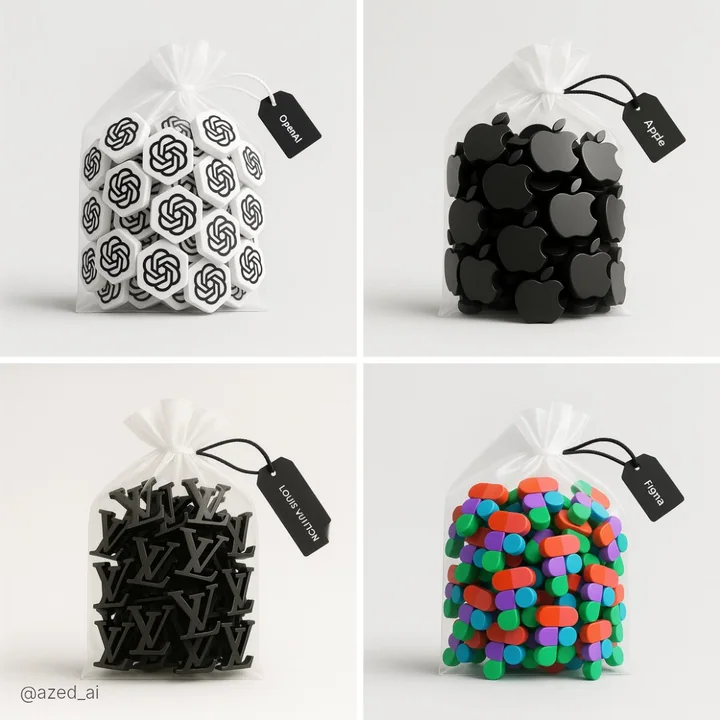
装有物品的透明塑料袋
一张高分辨率的照片,展示了一个透明塑料抽绳袋放置在浅灰色背景上。袋子内部整齐地摆放着多个微型3D [主题]人偶。袋子用柔软的白色丝带系紧,并附有一个黑色标签,上面写着“[标签文字]”。柔和的灯光和清晰的阴影突出了逼真的纹理和细节。
photography
Case 8211
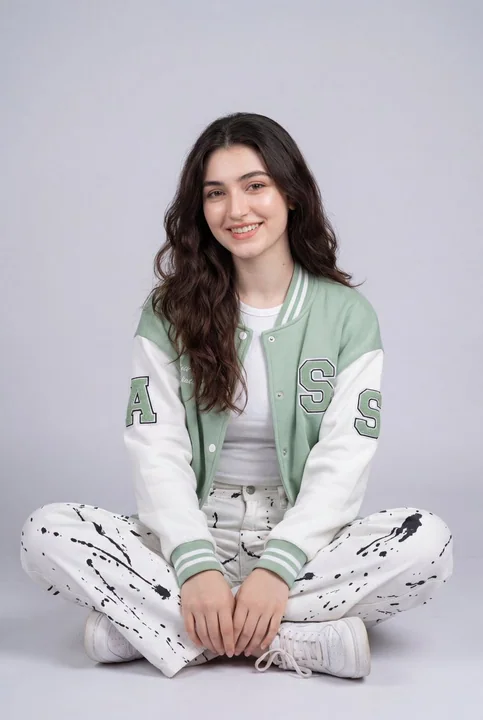
治愈系绿白夹克少女影棚写真
一位面带微笑的年轻女子,留着波浪状的深棕色长发,盘腿坐在浅灰色地板上,背景是柔和的纯灰色。她身穿一件带有字母贴片的淡绿色和白色学院风夹克,内搭白色修身 T 恤,下穿带有抽象黑色泼墨图案的宽松白色长裤,姿态随意放松,妆容自然,表情温暖友善,工作室灯光柔和均匀,阴影极少,呈现出干净现代的美学风格,高分辨率时尚摄影,对焦锐利,85 毫米镜头,专业工作室设置,中性色彩分级。
少女时尚极简风松弛感影棚照