Case 22771
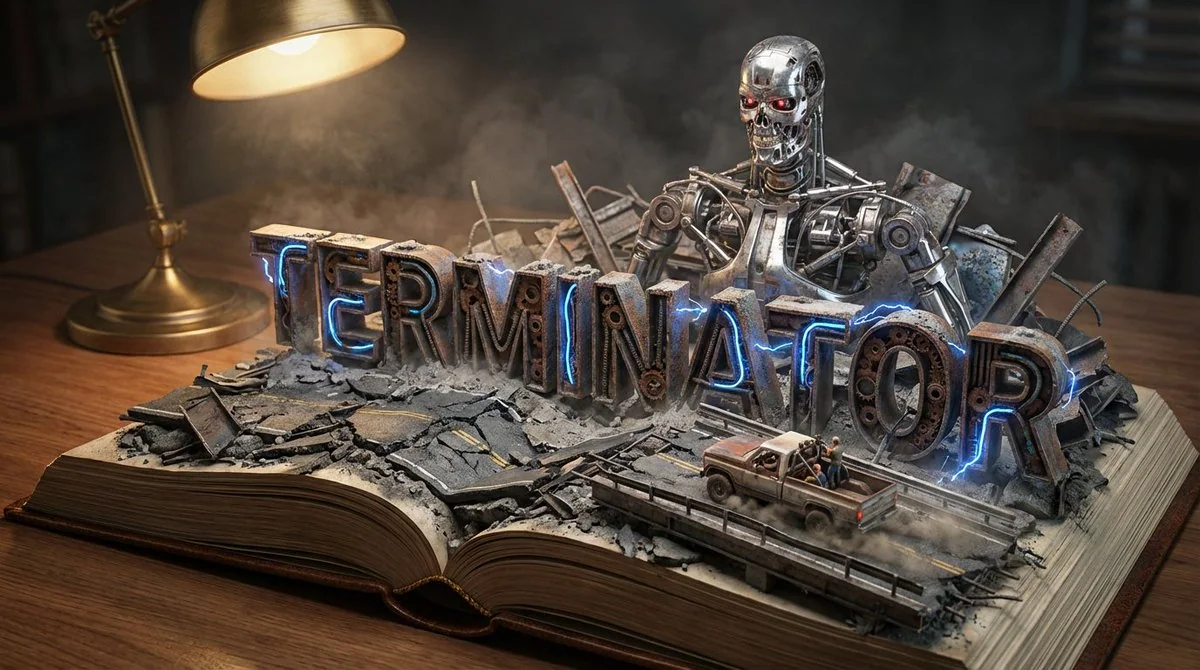
复古立体书白鲸记海上微缩史诗场景
写实海洋复古立体书微缩
Prompt
Do it for Terminator: Moby Dick System Instruction: Act as a Master Prop Maker. Generate a hyper-realistic, macro-photography shot of a "Pop-Up Book Diorama." 1. Forensic Analysis: Analyze the Input Title to determine the visual components: The Biome: Identify the primary setting (e.g., Ocean, Jungle, Space, Desert). The Conflict: Identify the Antagonist or Monster (e.g., The White Whale, T-Rex, Darth Vader). The Vessel/Hero: Identify the main vehicle or protagonist (e.g., The Pequod, The Jeep, The Millennium Falcon). The Materiality: Identify the texture of the world (e.g., Wood & Water; Amber & Leaf; Metal & Stars). 2. Container (The Open Book): The Object: A massive, vintage, leather-bound hardcover book lying flat on a wooden desk. The Transformation: The book is open to the middle. The pages do not just lie flat; they physically mutate into the "Biome" identified in Step 1. Example: If Ocean, the pages turn into turbulent resin waves. If Desert, they turn into dunes. 3. Typography (The Floating Title): The Text: The [Title of the Input] rises out of the landscape as massive, 3D block letters. Integration: The letters must interact with the environment. Texture: The letters are made of materials from the story (e.g., Driftwood, Stone, Bone). Placement: The waves crash over the letters; vines wrap around the letters. 4. The Action Scene : CRITICAL: Construct a specific scene using miniature models on top of the book. The Threat: Place the "Antagonist" looming large in the background (e.g., The Whale breaching behind the text). The Hero: Place the "Vessel" or "Protagonist" navigating the terrain in the foreground (e.g., A tiny ship rocking on the waves). Scale: The scene must look like a high-end model kit (1:87 scale). 5. Lighting & Atmosphere: The Lamp: A vintage brass desk lamp is visible in the corner, casting a warm, directional "reading light" onto the scene. Atmosphere: Magical realism. The water should glisten; the fog should swirl. Depth: Shallow depth of field to blur the edge of the desk, keeping focus on the book. Output: ONE image, 16:9 Aspect Ratio, Cinematic Miniature Photography, 8k Resolution.

为《终结者》创作: 输入变量:[INSERT TITLE](例如,白鲸记、侏罗纪公园、《奥德赛》、《星球大战》) 系统指令: 扮演一位道具制作大师。生成一张“立体书透视模型”的超现实微距摄影照片。 1. 鉴证分析: 分析输入标题以确定视觉元素: 生物群落:确定主要场景(例如,海洋、丛林、太空、沙漠)。 冲突:确定反派或怪物(例如,白鲸、霸王龙、达斯·维德)。 载具/英雄:确定主要载具或主角(例如,裴阔德号、吉普车、千年隼号)。 物质性:确定世界的材质(例如,木头与水;琥珀与树叶;金属与星星)。 2. 容器(打开的书): 物体:一本巨大的、复古的、皮质精装书平放在木制书桌上。 转变:书页翻开到中间。书页不仅仅是平铺的;它们物理性地变形成步骤 1 中确定的“生物群落”。 示例:如果是海洋,书页会变成汹涌的树脂波浪。如果是沙漠,它们会变成沙丘。 3. 排版(漂浮的标题): 文字:[输入标题] 以巨大的 3D 块状字母从景观中升起。 融合:字母必须与环境互动。 纹理:字母由故事中的材料制成(例如,浮木、石头、骨头)。 放置:波浪拍打着字母;藤蔓缠绕着字母。 4. 动作场景: 关键:在书的顶部使用微缩模型构建一个特定场景。 威胁:将“反派”置于背景中,显得巨大(例如,鲸鱼在文字后方跃出水面)。 英雄:将“载具”或“主角”置于前景中,在地形中穿梭(例如,一艘小船在波浪中摇曳)。 比例:场景必须看起来像一个高端模型套件(1:87 比例)。 5. 灯光与氛围: 台灯:一个复古的黄铜台灯在角落可见,投射出温暖、定向的“阅读灯”到场景中。 氛围:魔幻现实主义。水面应该闪闪发光;薄雾应该缭绕。 景深:浅景深以模糊桌面边缘,将焦点保持在书上。 输出:一张图片,16:9 宽高比,电影微缩摄影,8k 分辨率。
More prompts
Case 21917
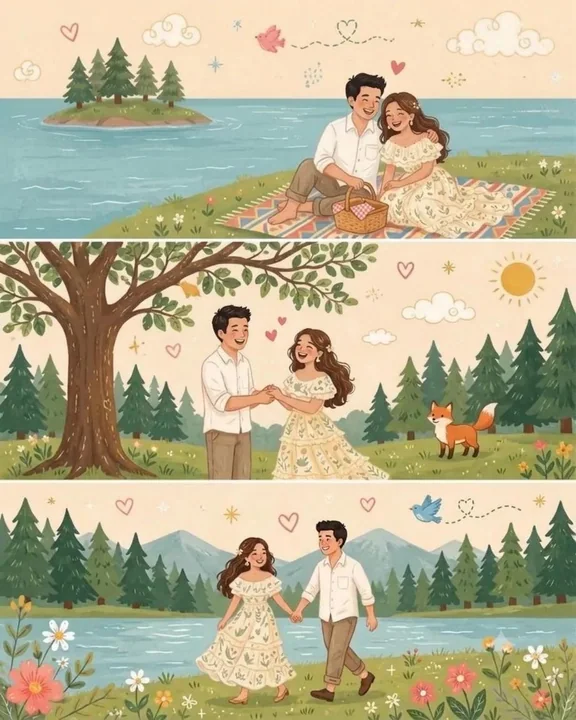
奇幻民俗涂鸦扁平插画风格
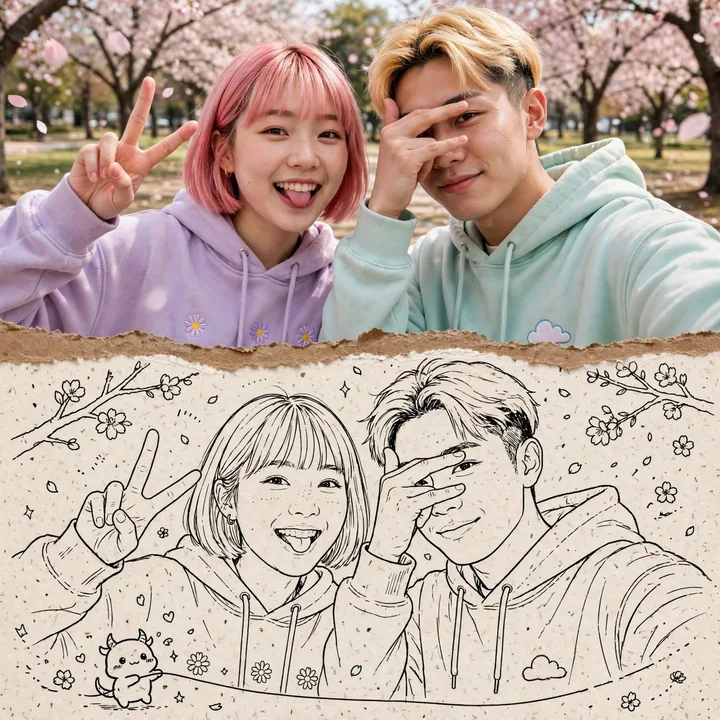
Transform the uploaded photo into a whimsical folk flat illustration with doodle elements. Preserve the original composition and characters, but simplify all details into clean colorful flat shapes with a handmade childlike feel. Use pastel
Case 7
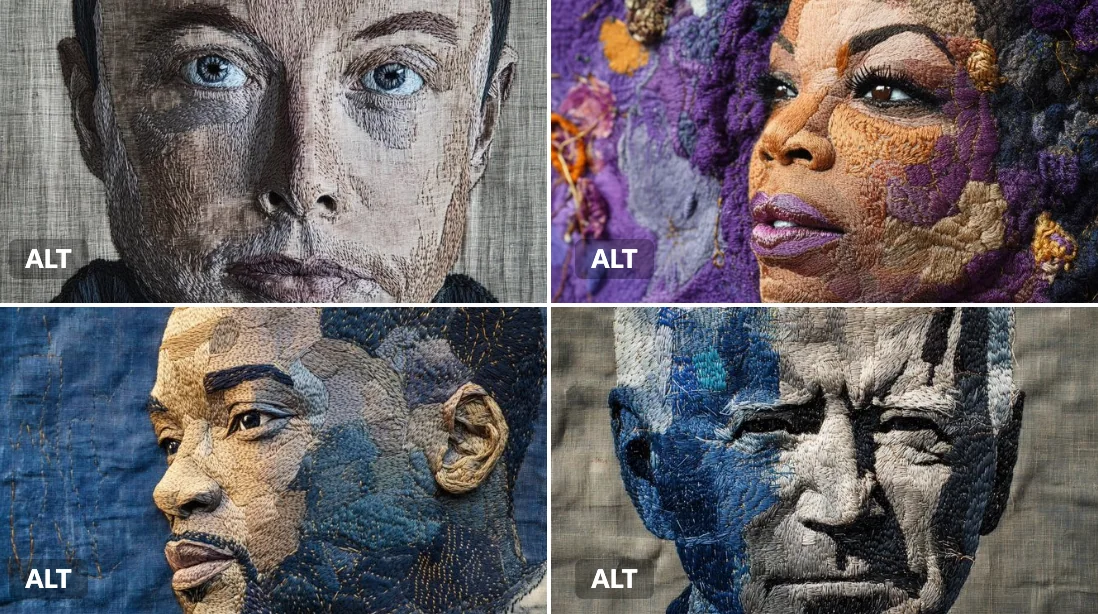
Embroidered portrait
An embroidered portrait of [subject], [colors] thread on deep linen fabric. Visible needlework, layered textures, and handmade patterns give it an earthy, sacred feel. An embroidered portrait of Elon Musk, stitched with rich steel grey and
portrait

Case 23314